A hobby gives you something to do simply because it interests you. There is no requirement to earn money, become impressive or produce anything useful. Whether you enjoy drawing imaginary maps, learning songs or putting together model boats, the activity offers a change from tasks you have to complete. Thinking about hobbies and mental wellbeing starts with that freedom: a small part of life where curiosity, enjoyment and personal choice can lead.
What a hobby brings to everyday life
Much of a busy day involves responding to other people’s needs or meeting practical demands. A hobby creates a different experience. You choose a question to explore, a skill to practise or a project to return to. That choice can make your free time feel more personally meaningful, even when the activity seems ordinary.
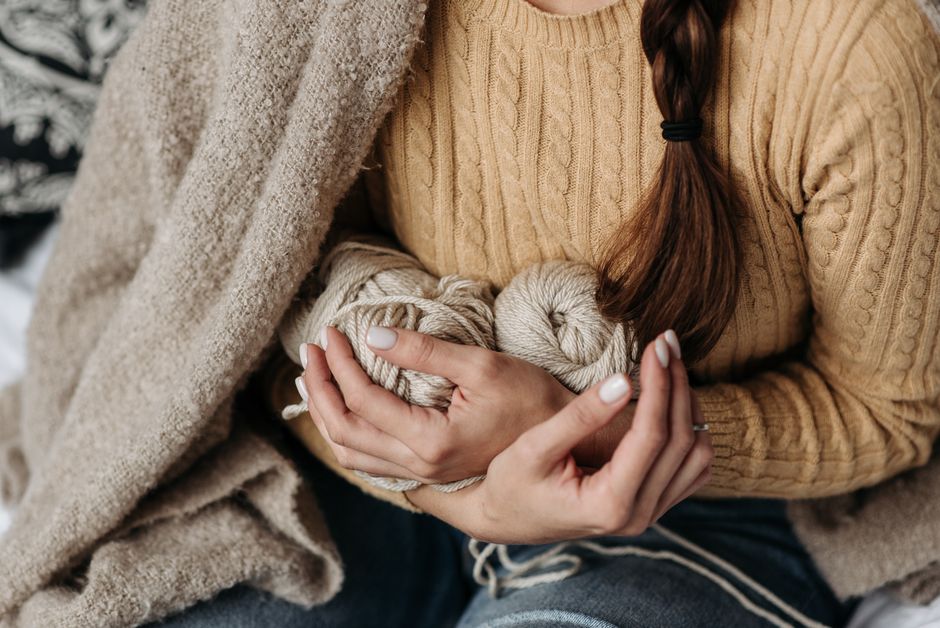
Some hobbies give your attention a clear place to land. Following a knitting pattern, arranging a collection or listening closely to music provides something specific to notice. You may appreciate having a manageable task with visible steps when other parts of life feel uncertain. You do not have to become completely absorbed for the time to feel worthwhile.
Hobbies also offer room to be a beginner. Finding a chord that sounds right or understanding a tricky puzzle clue can be satisfying on its own. Progress gives you something to enjoy, but the value of a hobby does not depend on improving every time you do it.
Choose an experience that appeals to you
Instead of starting with a list of impressive hobbies, consider what you would like your leisure time to feel like. You might want to make something tangible, explore an unfamiliar subject or enjoy playful experimentation. The same activity feels different to different people, so your own response matters more than its reputation as a relaxing pastime.
Making and discovering
Creative hobbies offer opportunities to choose colours, sounds, shapes or stories without needing a correct answer. Try folding paper, sketching household objects or inventing a tune. If making things feels frustrating, discovery may suit you better. Learning to recognise musical instruments by sound or exploring the history of an everyday object can satisfy curiosity without requiring a finished product.
Structure and problem-solving
Puzzles, model kits and learning a familiar song can offer clear steps. You know what to try next, and there is usually a way to pause and return. Choose a level that leaves room for interest without making every session a struggle. An activity can be challenging and enjoyable, but constant frustration is a reason to adjust it.
Play without a project
You may prefer activities that leave nothing to display. Try word games, inventing silly characters or experimenting with different ways to play a simple melody. Adults do not need a productive justification for play. Enjoying the process is a complete reason to spend time on it.
Try a small version first
It is easy to confuse the excitement of choosing equipment with enjoying the hobby itself. Begin with the simplest version you can reasonably access. Use materials you already have, borrow suitable equipment with permission or try a beginner session before making a larger commitment. Check practical safety instructions before using unfamiliar tools or materials.
Give yourself a few opportunities to explore, then reflect on the experience. The first attempt may mostly involve figuring things out. Equally, you do not need to keep going indefinitely because you hoped an activity would suit you.
- Before: Do you feel curious, reluctant or worried about getting it right?
- During: Are there moments you enjoy, even if parts are awkward?
- After: Are you pleased you spent time on it, or mainly relieved it is over?
- Next time: Would changing the difficulty, setting or materials make it more inviting?
Use these questions as gentle observations. A hobby does not need to change your mood every time, and an enjoyable session can still include mistakes or boredom.
Keep achievement optional
A pleasant interest can gradually acquire the pressures of work. You might feel you must finish a book quickly, share every drawing or turn handmade objects into income. These goals can be enjoyable if you freely choose them. They can also crowd out the reasons you started.
Decide what success means for this particular activity. It might mean trying an unfamiliar technique, spending time experimenting or returning to something you liked as a child. Keep unfinished work if you want, reuse the materials or let the project go. None of those choices makes the time wasted.
If online examples leave you discouraged, practise privately for a while. A polished photograph rarely shows all the discarded attempts, preparation or experience behind it. You can appreciate someone else’s work without using it as the standard your own leisure must meet.
Adapt the hobby to your circumstances
The easiest activity to return to is often one that fits your available space, energy and access needs. A large project may sound appealing but be awkward to set up in a shared room. A smaller version that fits in a box might be more usable. Leave yourself a brief note about the next step so restarting does not require remembering everything.
It can help to have different versions available. On a day with more energy, you might work on a detailed model. On another day, you could sort the pieces or look through the instructions. You are allowed to participate lightly, pause completely or change interests as your circumstances change.
Consider physical comfort too. Use adequate lighting, take breaks from repetitive movements and adjust your position when needed. If a hobby causes pain, stop and seek advice rather than pushing through. For injuries, health conditions, pregnancy or uncertainty about starting a new physical activity, ask your GP or an appropriately qualified professional about suitable adaptations.
Leave room for the rest of life
A hobby can be absorbing enough that other needs slip out of view. Pay attention if spending, late nights or pressure to complete projects starts creating problems. Setting a stopping point before you begin may help, especially with activities that have no natural ending. Leave enough room for meals, sleep, responsibilities and other parts of life.
Hobbies can be part of looking after yourself, but they do not have to carry the whole weight of your wellbeing. If low mood, anxiety or a loss of interest persists or affects everyday life, speak with your GP or a qualified mental health professional. Struggling to enjoy a hobby is not a personal failure.
For your next free moment, choose something small that invites curiosity. Open the puzzle book, pick up the pencil or revisit a familiar tune. You do not need to decide whether it will become a lifelong interest. Giving yourself permission to explore is enough for today.