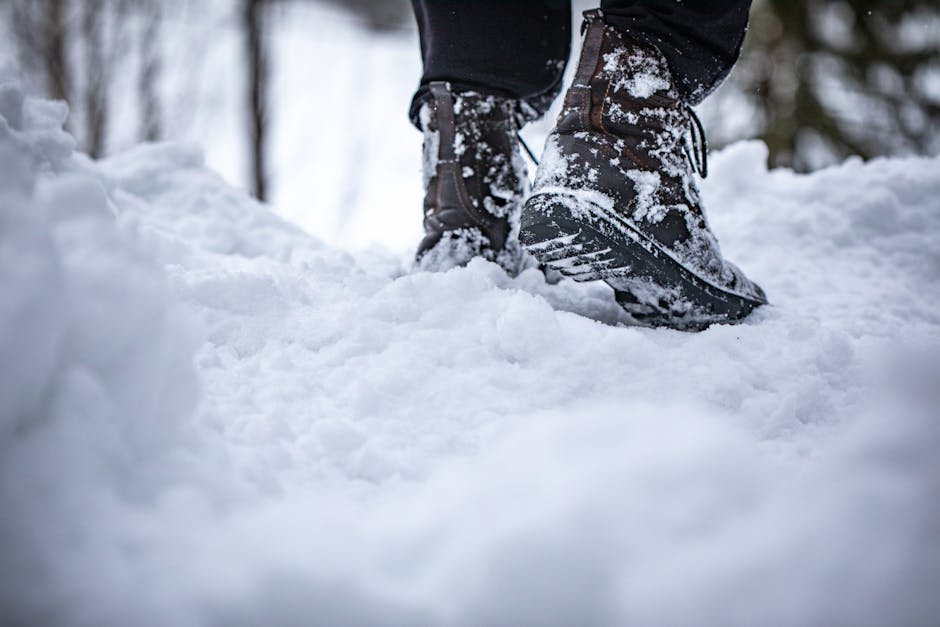
Women’s Winter Snow Boots That Keep Feet Dry for Under $40
Are you really getting less boot by spending less money — or is the $150 price tag mostly brand premium?
That question matters more than most buyers realize. The outdoor footwear market runs on aspirational branding. Sorel and Columbia make excellent products, but the performance gap between a $35 and a $150 snow boot is not always as wide as the price difference implies. It depends entirely on what conditions you’re walking in — and most women overestimate how extreme those conditions are.
This guide covers what waterproofing actually means at different price points, how to size correctly (this section alone will save most buyers a return shipment), when it genuinely makes sense to spend more, and the walking and maintenance habits that determine whether any boot lasts two seasons or five.
What “Waterproof” Actually Means on a Snow Boot Label
No federal standard in the United States governs what a footwear brand can legally call “waterproof.” That is not an obscure edge case — it is a terminology gap that most budget and mid-range brands use freely. Understanding the functional difference between treated fabrics and genuine waterproof membranes is the single most important thing you can do before buying winter boots online.
Treated Outer Shell vs. Sealed Membrane: The Functional Gap
A DWR-treated fabric (durable water repellent) causes water to bead and roll off the surface. It works well for dry snow, light slush, and brief moisture contact. It does not prevent water from seeping through seams or withstanding sustained puddle exposure.
A sealed waterproof membrane — such as Columbia’s Omni-Tech or Gore-Tex found in higher-end boots — runs as a continuous interior barrier covering seams and high-stress zones. Water cannot penetrate regardless of contact duration. This construction costs more to manufacture, which is why it appears at $90 and above.
The Hsyooes snow boots use a waterproof outer shell construction. Thousands of verified buyers confirm it performs well for its intended use case. One reviewer wrote: “I love these waterproof snow boots! They are warm and incredibly comfortable! Truly waterproof too.” A separate buyer added important nuance: “super warm and waterproof in snow (puddles not so much).” That is an accurate and honest characterization — dry snow and light slush are handled well; deep standing water is a different engineering challenge.
When Budget Waterproofing Is Sufficient for Most Buyers
For the majority of daily winter use — walking to a car, clearing a short driveway path, walking a dog, navigating a parking lot — a treated outer shell is more than adequate. Typical snowfall is dry and compacted, not a saturating liquid. The conditions where seam-sealed boots meaningfully outperform treated-shell boots are specific: sustained exposure to wet spring snow, deep urban slush, or puddles deeper than two inches.
In most temperate U.S. climates, those conditions are the exception. Buyers in heavily salted cities (Chicago, New York, Boston) who regularly wade through sidewalk slush will see faster performance degradation on budget boots. Most buyers in the Southeast, mid-Atlantic, and Pacific Northwest will find the treated shell covers everything they encounter.
Insulation Ratings: Faux Fur vs. Measured Thinsulate
Faux fur lining insulates through trapped air. It has no standardized warmth rating. In contrast, Thinsulate insulation — used in Columbia and Sorel boots — is measured in grams: 200g for moderate cold, 400g and above for sustained extreme cold.
The Hsyooes faux fur lining performs well across typical winter temperatures. One buyer took them on an Antarctica cruise: “Unbelievably comfortable! Lightweight & warm. We bought them for an Antarctica cruise and we wore them the entire time!” Cruise ship shore excursions are a different environment than overland trekking, but the data point is credible for cold-but-not-extreme conditions.
One honest limitation worth flagging: a buyer noted that “insoles and fur are very thin.” For climates that regularly drop below 5°F (-15°C), a removable insole upgrade — Superfeet Merino Support ($35) or Powerstep Pinnacle Maxx ($45) — adds both warmth and arch support without replacing the boot. That upgrade effectively closes much of the warmth gap between this price tier and the next one up.
Four Women’s Snow Boots Across Four Price Points: A Data Comparison
Price tiers in winter footwear reflect real construction differences — but those differences only matter if your conditions require them. Here is where the tiers actually diverge:
| Boot | Price (2026) | Rating | Waterproofing Type | Insulation | Shaft Height | Best Use Case |
|---|---|---|---|---|---|---|
| Hsyooes Fur-Lined Snow Boot | $35.99 | 4.3/5 (11,789 reviews) | Treated outer shell | Faux fur lining (unrated) | Ankle | Daily errands, light to moderate dry snow, 10°F–32°F |
| Columbia Minx Mid III | ~$100 | 4.4/5 | Omni-Tech membrane, seam-sealed | 200g Thinsulate | Mid (8 inches) | Wet conditions, moderate cold, light trails |
| Sorel Caribou Women’s | $155–$185 | 4.5/5 | Waterproof nubuck/suede upper | 9mm removable felt inner boot + 2mm bonded fleece | Mid (10 inches) | Extreme cold, heavy snow, extended outdoor time |
| UGG Sienna Rain Boot | ~$120 | 4.3/5 | 100% rubber shell | UGGpure wool lining | Mid-calf (13 inches) | Rain, light snow, urban commuting |
The Columbia Minx Mid III is the best mid-range pick for buyers who encounter wet or heavy snow with regularity. The seam-sealed Omni-Tech construction and 200g Thinsulate place it in a genuinely different performance category than treated-shell boots — not marginally better, structurally different. If you live in a climate with frequent wet snow or temperatures that regularly drop below 10°F, the $65 premium over the budget tier is justified.
The Sorel Caribou is a working boot. Its vulcanized rubber lower shell and removable felt inner boot have been the standard for cold-climate outdoor professionals for decades. If you are standing outside for 45+ minutes in sub-zero temperatures or trudging through heavy wet snow regularly, the Sorel is the correct choice. For everyone else, it is more boot than the situation requires.
The UGG Sienna belongs in a different category entirely. Its full rubber shell makes it genuinely waterproof against puddles and rain — it outperforms the Hsyooes in that specific scenario. But the mid-calf height and urban silhouette make it awkward for actual snow hiking, and the price reflects the UGG brand premium more than a performance advantage.
For buyers in climates where snow is typically dry and temperatures stay above 10°F — which describes most of the continental United States outside the northern Midwest and mountain states — the Hsyooes fur-lined ankle boot covers their actual conditions at a price that is hard to argue against.
Sizing: The Problem That Causes Most Returns on These Boots
Sizing errors account for the majority of negative reviews on the Hsyooes boots. This is entirely avoidable — but only if you know the issue before you order.
The pattern is consistent across hundreds of reviews. One buyer’s account is representative: “Size chart is wrong! First I ordered a 7. It was like an 8½! Returned and ordered 6.” Multiple buyers report the same finding: these boots run large by approximately 1 to 1.5 sizes. The US size chart provided by the brand does not accurately reflect the physical fit.
Follow these five steps to get the right size on the first order:
- Measure your foot in centimeters. Stand on a piece of paper, trace your foot outline, and measure from heel to longest toe. Centimeter measurements are more consistent across brands than US size labels.
- Order one full size smaller than your normal US size. US 8 buyers should order a 7. US 9 buyers should order an 8. This is the consensus across recent verified purchases.
- Account for your sock thickness. Planning to wear thick wool socks all winter? You may only need to go half a size down rather than a full size, since the sock compensates for some of the extra room.
- Read reviews dated within the last three to four months. Fit can vary between production batches. Recent reviews are the most reliable data on current sizing for the specific colorway you’re ordering.
- Confirm the return and exchange policy before checkout. Even with the right approach, some variation exists between individual pairs. Know your window before the package arrives.
A secondary issue worth noting: a small number of buyers mention the zipper can be slightly stiff. One reviewer described it as: “The zipper can be a little sticky, but not too bad.” This is common on boots at this price point. A single application of Gear Aid Zipper Lubricant ($5) or plain beeswax resolves it permanently. The women’s grey size 8 is the most-reviewed variant, and sizing feedback across that listing is consistent: order down one full size.
One buyer also noted that the silhouette is more relaxed than a structured boot: “they look like slippers so will definitely NOT be wearing them in public!!” That is a real aesthetic consideration. These boots are comfortable and functional for outdoor use; they are not a fashion-forward winter boot. If you want something that looks polished for urban wear, the Columbia Minx or a mid-range Kamik boot would be a better visual match.
The Verdict
At $35.99, with 11,789 reviews averaging 4.3 out of 5, these boots are a documented quantity. For the conditions most women actually face — dry to moderate snow, temperatures above 10°F, errands and short outdoor exposures — the Hsyooes snow boots deliver real-world performance that typically costs $80 to $100 elsewhere. Long-term durability holds up too: “Pretty durable so far, I’m halfway through my 2nd winter with them and they look the same,” one buyer confirmed.
Spend more — specifically on the Columbia Minx Mid III or Sorel Caribou — if you need seam-sealed waterproofing, rated insulation for extended sub-zero exposure, or mid-height coverage for deep snowpack. For everything else, $35 is the correct call.
How to Walk on Ice and Snow Without Falling — and Make Any Boot Last Longer
Buying the right boot handles traction and warmth. The other variables — walking technique, maintenance, and sock choice — determine whether you stay upright and whether the boot performs through season two or degrades by February. Most cold-weather foot problems trace back to one of these three areas, not the boot itself.
Gait Technique That Prevents Falls on Ice
Normal walking involves a heel-to-toe stride with forward body lean. On ice, that pattern is genuinely dangerous. The heel-strike concentrates force on a small contact point, and forward lean means any slip drives you backward with no recovery time.
Ice-surface technique: shorten your stride, contact the ground with a flat foot rather than a heel-strike, and slow your pace by roughly 30 percent. Keep your arms slightly away from your body — pocketed hands eliminate your ability to recover balance. Think of the motion as a controlled shuffle rather than a stride.
The Hsyooes outsole provides solid grip for typical snow-packed and light-icy surfaces. Buyers confirm “good traction on ice, and good for, at most 2 inches of snow.” For persistent black ice — a different challenge entirely — clip-on traction aids like Yaktrax Pro ($30) or Kahtoola NANOspikes ($60) fit over any boot and add carbide or steel traction that no rubber compound can match. They take about 30 seconds to attach and are worth keeping in a coat pocket during hard-freeze conditions.
Maintenance Habits That Extend Waterproof Performance
DWR-treated waterproofing degrades with UV exposure and salt contact. Two habits reliably extend it. First: after walking on salted roads or sidewalks, wipe the boot upper with a damp cloth before the salt dries. Salt crystals are mildly abrasive and accelerate DWR coating breakdown faster than normal wear alone.
Second: at the start of each winter season, apply a DWR refresh spray to the outer shell. Nikwax Fabric & Leather Proof ($12) and Scotchgard Fabric Water Shield ($10) both perform well on synthetic uppers. Spray evenly, let dry fully, and the waterproofing is functionally reset. Reapply mid-season if water stops beading on the surface after walking in snow. This single habit can double the effective waterproof lifespan of any budget boot — a five-minute investment per season.
Sock Choice: The Cheapest Warmth Upgrade Available
The right sock adds more warmth than most buyers expect. Cotton socks retain moisture from foot perspiration and lose insulating properties when damp. In sustained cold, wet cotton accelerates heat loss — the opposite of what you need.
Merino wool socks maintain warmth even when wet. Darn Tough Vermont’s full-cushion merino boot sock (~$25 per pair) is the most durable option at this price. Wigwam Thermo-Lite ($12) is a reliable synthetic thermal alternative for buyers who want to avoid wool. A mid-weight merino sock adds roughly 8 to 12 degrees of effective warmth range to a well-insulated boot — meaning a boot rated for 15°F effectively handles 5°F when correctly paired.
The buyer who arrives home with cold or wet feet in January typically did not fail at choosing boots. They failed at sizing, skipped maintenance, or wore cotton socks. The cold-weather question this guide opened with has a clear answer: spending more is not always better. Size down, refresh the DWR before the season starts, wear merino, and a $35 boot handles most of what winter delivers.