
What does Jeff Nippard actually put in his body every day? Not what he’s been paid to promote — what he personally takes after running everything through peer-reviewed research. Nippard is a natural pro bodybuilder, competitive powerlifter, and fitness educator with over 5 million YouTube subscribers. His audience follows him specifically because he rejects supplement industry hype. So the stack he actually runs is worth knowing.
Jeff Nippard’s Supplement Philosophy: The Filter That Eliminates Most Products
His starting framework: food first, training second, sleep third, supplements fourth. That sequence matters because Nippard has watched people buy $60 pre-workouts before fixing a 100g/day protein intake or sleeping more than five hours a night. Supplements don’t compensate for broken fundamentals. He’s explicit about this in multiple videos and it shapes every product recommendation he makes.
His evaluation process is stricter than most manufacturers want you to apply. He’s looking for multiple independent randomized controlled trials in humans — not animal studies, not mechanistic cell research, not single industry-funded papers with no independent replication. He also checks whether the effect size actually matters in practice, not just whether it reached statistical significance in a tightly controlled lab setting with an extremely small sample.
He’s been vocal about the supplement industry’s favorite manipulation tactics: proprietary blends that hide individual ingredient doses behind a collective “matrix” label, “clinically dosed” marketing attached to studies that don’t actually justify the dose being used, and the deliberate conflation of an ingredient appearing in a product with that ingredient being present at a dose that produces any measurable outcome.
Apply that filter honestly and roughly 80% of supplement store inventory disappears. The stack that survives is small, boring, and cheap. Nippard treats that as a feature, not a disappointment — the boring answer is correct here, and he says so plainly.
The Four Supplements in His Daily Stack
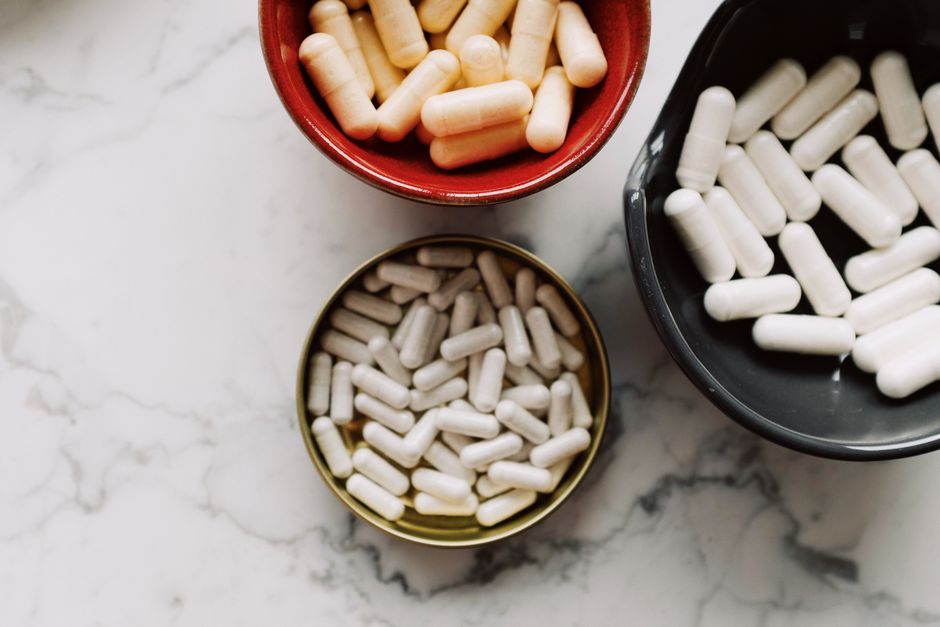
Four items. That’s what remains after the filter runs. Nothing exotic, nothing with a celebrity face on the label, nothing requiring you to believe a word of marketing copy.
| Supplement | Daily Dose | Timing | Evidence Strength |
|---|---|---|---|
| Creatine Monohydrate | 5g | Any time, taken consistently every day | Extremely strong — 500+ independent studies |
| Whey Protein | 20–40g per serving as needed | Post-workout or whenever daily protein falls short | Strong — efficient protein source with complete amino acid profile |
| Vitamin D3 | 2,000–4,000 IU | Morning with a fat-containing meal | Strong — especially critical for northern latitude populations |
| Omega-3 Fish Oil | 2–3g EPA/DHA combined | With meals to reduce fishy aftertaste | Moderate — cardiovascular, anti-inflammatory, joint support |
The key detail buried in that omega-3 row: 2–3g of combined EPA and DHA, not 2–3g of total fish oil. Most standard softgels contain 300–400mg of actual EPA/DHA per 1,000mg capsule. That means you may need 5–8 capsules to hit the effective dose, not one or two. Read the nutrition label on the back, not the front of the bottle.
Protein powder — specifically whey — only earns a place in the stack as a practical tool for hitting daily protein targets, not as a direct muscle-builder. If you’re already hitting 0.7–1g of protein per pound of bodyweight through food alone, whey adds nothing you need. It’s a convenience product, not a magic ingredient.
Creatine: The One Supplement He Recommends Without Hesitation
Nippard ranks creatine monohydrate as the most evidence-backed performance supplement available to natural athletes. Not near the top. At the top, alone, with significant distance from everything else.
The mechanism: creatine phosphate helps regenerate ATP faster during short, high-intensity efforts — the exact energy system powering sets of 1–12 reps in the gym. Faster ATP regeneration means you can grind out one or two more reps before hitting failure. Over weeks and months, that extra rep accumulates into meaningful strength and hypertrophy differences compared to placebo groups doing identical training.
A 2003 meta-analysis in the Journal of Strength and Conditioning Research covering 22 studies found creatine users gained significantly more lean mass and strength than placebo. Over 500 studies since have replicated and extended those findings across age groups, training populations, and sport types. No other supplement comes close to that research base.
His brand recommendation is intentionally boring: BulkSupplements Creatine Monohydrate (around $20 for 500g) or Optimum Nutrition Micronized Creatine ($30 for 400g). Plain, unflavored, no proprietary delivery system. Monohydrate specifically — not creatine HCl, not creatine ethyl ester, not buffered creatine. The alternatives cost significantly more, have far less research behind them, and show no demonstrated advantage over monohydrate at equivalent doses. You’re paying for novelty.
Loading phase: worth doing or skip it?
Loading (20g per day for 5–7 days) saturates muscle creatine stores faster. It’s not harmful, but it causes more gastrointestinal discomfort and ends up at the same endpoint as taking 5g daily for 3–4 weeks. The saturation level is identical either way. Most people who try loading stop partway through because of stomach discomfort. Nippard doesn’t think it’s necessary, and that’s the right call for most people.
Does timing actually matter?
Post-workout has a slight edge in a few studies. In practice, the timing effect is small enough that consistency matters far more than precision. Take it daily — the day you train and the day you don’t, weekends included. Muscle creatine levels need to stay elevated continuously. Gaps and skipped days erode the benefit you’re trying to accumulate.
The Supplements He Explicitly Says to Skip
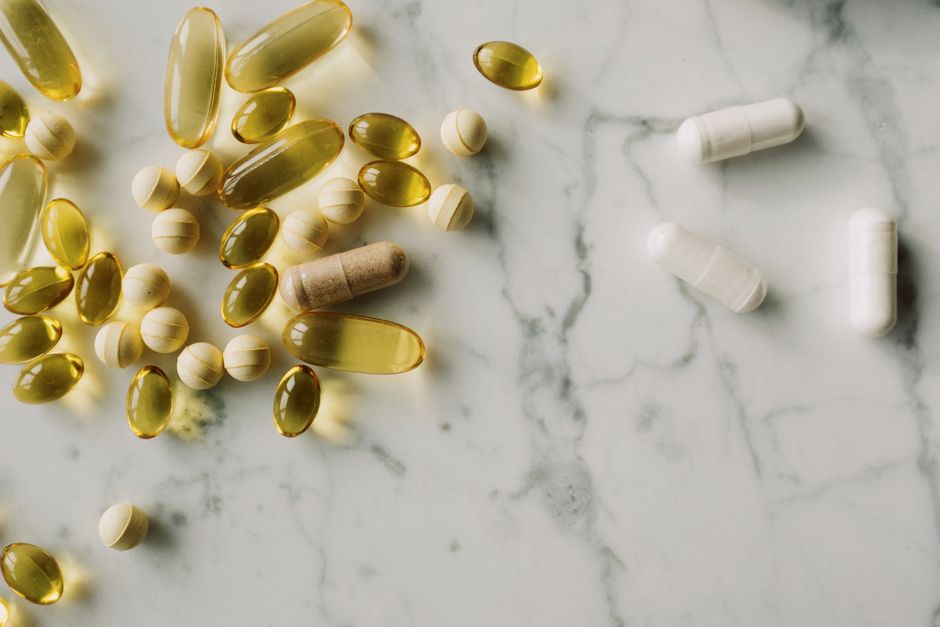
BCAAs if you’re already eating enough protein. Testosterone boosters at any dose. Fat burners built on underdosed herbal extracts padded with stimulants you can get cheaper from coffee. Most pre-workout blends hiding ingredient doses behind a proprietary matrix label.
His position on BCAAs is direct: useful in a fasted state with genuinely low daily protein intake. Useless — redundant, specifically — if you’re hitting 150g+ of protein per day through food and whey. You’re already getting all the leucine your muscles need. Paying $35 for flavored BCAA powder is paying for marketing.
Vitamin D3 and Omega-3s: Health Supplements That Earn Their Place
Neither of these is a traditional performance supplement. They don’t push your one-rep max up on their own. Nippard includes them because they address genuine deficiencies that quietly degrade training quality, hormone function, recovery, and long-term health — and most people never connect those dots.
Vitamin D3
Nippard is based in Canada. That geographic detail matters. Vitamin D synthesis from sunlight drops sharply above approximately 37° latitude from October through March. Large portions of North America, Europe, and northern Asia cannot produce adequate vitamin D from sun exposure during winter regardless of time spent outdoors. Deficiency is common, not rare.
Low vitamin D correlates with reduced testosterone, compromised immune function, poor mood regulation, and weaker bone density — all of which affect training consistency and recovery over time. He recommends 2,000–4,000 IU of D3 daily (not D2, which is less bioavailable), taken with a fat-containing meal since D3 is fat-soluble. NOW Foods Vitamin D3 softgels at 2,000 IU per softgel cost around $8 for 180 softgels — one of the most cost-effective ways to cover a genuinely common gap.
Omega-3 fish oil
Fish oil earns a spot for cardiovascular benefit and moderate evidence on reducing delayed onset muscle soreness and supporting joint health under training load. The performance upside is real but secondary — treat it as a health supplement that also helps training, not a primary ergogenic aid. Nordic Naturals Ultimate Omega ($40 for 60 softgels at 1,280mg EPA/DHA per serving) is the kind of pick that appears consistently in evidence-based circles because it’s third-party tested for purity and heavy metal content. Budget fish oil can be fine too — just look for NSF or USP certification on the label and check the actual EPA/DHA math.
Pre-Workout and Caffeine: The Stimulant That Actually Has Data
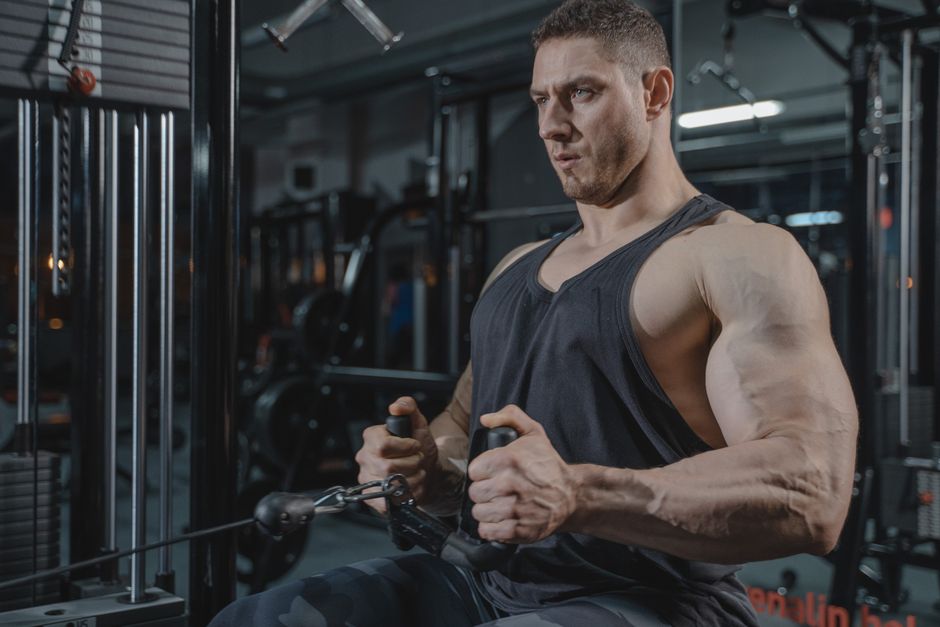
Nippard drinks coffee before training. He’s not anti-stimulant. Caffeine has among the strongest acute performance evidence of any supplement: 3–6mg per kilogram of bodyweight before training improves strength output, endurance capacity, and perceived effort during the session. That’s a real effect at a real dose.
What he objects to is paying $45 for a pre-workout blend where you don’t know whether the active ingredients are dosed at anything effective. Black coffee at $0.50 per cup, or pure caffeine tablets from BulkSupplements at approximately $0.05 per 200mg dose, accomplishes the same thing without the markup or the mystery formula.
Beta-alanine and citrulline: where they land
Both have legitimate research support at effective doses. Beta-alanine at 3.2–6.4g per day buffers acid accumulation during high-rep sets. The tingling sensation (paresthesia) that comes with it is harmless and normal — not an allergic reaction. Citrulline malate at 6–8g may improve blood flow and reduce fatigue during higher-volume training. These are valid additions to a more complete pre-workout stack. Neither is essential for most people.
The tolerance problem nobody talks about enough
Daily high-dose caffeine builds tolerance fast. At 400mg every morning without cycling, you’re no longer getting the acute performance benefit — you’re just restoring baseline function. Nippard cycles off caffeine every 8–12 weeks or reserves high doses for genuinely important sessions. Many experienced lifters train most sessions without any pre-workout at all and save it for heavy days that actually benefit from the edge.
Building Your Stack Using Nippard’s Actual Logic
- Start with creatine monohydrate, 5g every day. BulkSupplements or Optimum Nutrition unflavored monohydrate. This is the highest-return supplement decision you can make if you’re training for strength or size.
- Add whey protein only if your diet regularly falls short of 0.7g per pound of bodyweight. Optimum Nutrition Gold Standard Whey ($30 for 2lb, 24g protein per scoop) is the benchmark product — label accuracy is consistently verified by independent testing services like Labdoor.
- Take 2,000–4,000 IU of Vitamin D3 daily if you live above 37° latitude or spend most of the day indoors. Morning, with food containing fat.
- Add fish oil at a dose that delivers 2–3g of combined EPA and DHA. Check the back-label math — most standard softgels require multiple capsules to reach that dose.
- Use caffeine strategically, not out of habit. Reserve higher doses for demanding sessions. Avoid building tolerance by loading up daily regardless of whether you actually need the boost.
- Stop there. Glutamine, HMB, ZMA, “anabolic” proprietary blends, testosterone boosters — none clear the evidence bar Nippard applies. Skip them.
The most expensive supplement mistake isn’t buying one bad product — it’s spending $180 per month across six mediocre products when $60 of creatine, whey, and Vitamin D3 would have delivered more measurable benefit to your actual training.
Medical Disclaimer: This content is for informational purposes only and does not constitute medical advice. Always consult a qualified healthcare professional before making health-related decisions.