Cheaper per container does not mean cheaper per gram of protein. That single math error costs most people $150–200 a year without them realizing it.
I bought a 10lb bag of Body Fortress Super Advanced Whey from Walmart for $32 thinking I’d found the deal of the century. Each scoop had only 26g of protein but 200 calories and nearly 5g of fat. When I ran the actual numbers, it worked out to $0.031 per gram of protein. Meanwhile, Optimum Nutrition Gold Standard at $55 for 5lbs came out to $0.027 per gram — 120 calories per serving, cleaner macros, and technically the better deal despite the higher sticker price.
The framing around “deals” in the supplement industry is almost entirely designed to prevent you from doing that math.
The Only Number That Matters: Cost Per Gram of Protein
Forget price per container. Forget price per serving. The only comparison that works across brands and sizes is cost per gram of protein.
The formula: divide the total price by (servings per container × protein grams per serving). A 2lb tub at $25 with 27 servings at 25g protein = $25 ÷ 675 = $0.037 per gram. A 5lb tub at $54 with 73 servings at 24g protein = $54 ÷ 1,752 = $0.031 per gram. The more expensive tub is 16% cheaper per gram of actual protein. That’s the version of the math the container price hides from you.
What a Good Price Range Actually Looks Like
Target range for solid-value whey: $0.025–0.040 per gram. Below $0.022/g, check the label carefully — some budget blends inflate their protein count with cheap amino acids. Above $0.060/g, you’re paying for flavoring, branding, or packaging. MyProtein Impact Whey during their 35% off sales (which run several times per month) consistently lands at $0.022–0.026/g. That’s about as low as reputable whey gets.
Why Serving Size Manipulation Hides the Truth
Some brands use 45g scoops to deliver “25g of protein per serving.” Others hit the same number with a 30g scoop. The larger scoop means the container empties faster — you’re buying less total protein per dollar, but the label still says 25g protein and looks equivalent.
Cross-check: total container weight ÷ serving size = actual number of servings. If that number is lower than the “servings per container” claim on the label, the brand is rounding up. It’s a small thing that compounds into real money over a year of buying.
How the Supplement Industry Manufactures Deals
Most “40% off” protein sales are calculated against a manufacturer-suggested retail price nobody ever actually paid. GNC has run this model for decades — the full price exists so the sale looks dramatic. If a protein powder is perpetually on sale at the same price, that sale price is the real price. The red sticker is theater.
Concentrate, Isolate, or Plant: Which Gets You More Per Dollar
The type of protein you buy has a bigger impact on value than brand loyalty. Isolates cost more because manufacturing strips out fat and lactose, leaving higher protein density per gram of powder. That premium is real — but whether it matters depends on your situation.
| Protein Type | Typical Cost/Gram | Protein % | Best For | Example Product |
|---|---|---|---|---|
| Whey Concentrate | $0.022–0.035 | 70–80% | Budget buyers, post-workout | MyProtein Impact Whey (~$34/2.2lb) |
| Whey Isolate | $0.035–0.055 | 90–95% | Lactose intolerant, cutting phases | Dymatize ISO100 (~$55/1.6lb) |
| Casein | $0.030–0.045 | 75–85% | Overnight use, high satiety | ON Gold Standard Casein (~$45/4lb) |
| Pea/Plant Blend | $0.040–0.065 | 65–80% | Vegan, dairy-free | Orgain Organic Protein (~$35/2lb) |
| Budget Whey Blend | $0.018–0.028 | 60–75% | Caloric surplus, mass gaining | Body Fortress Super Advanced (~$32/4lb) |
My pick for most people: whey concentrate. If your stomach handles dairy fine and you’re not deep in a cut, the isolate premium isn’t worth it. Isolate earns its place only if you’re lactose sensitive or tracking every calorie obsessively.
The Plant Protein Premium Is Mostly Branding
Plain pea protein isolate in bulk from BulkSupplements costs around $0.030/g — roughly equal to whey concentrate. The $55 branded plant protein tubs at Target charge for packaging and marketing, not actual protein quality. If you need vegan protein, unflavored pea isolate in a 5lb bag and a good blender cuts your cost nearly in half.
Five Products That Consistently Deliver Real Value
- MyProtein Impact Whey — Best value on the market when on sale. At 30–40% off (which happens constantly), it hits $0.022–0.026/g. The unflavored version mixes into anything. Sign up for their email list; the sales are predictable.
- Optimum Nutrition Gold Standard Whey — The industry benchmark. Consistent across every flavor, dissolves cleanly, and the 10lb tub at Costco runs about $0.026/g. Not the cheapest, but zero variance in quality lot to lot.
- BulkSupplements Whey Concentrate — Zero frills, no flavoring, often $0.020–0.025/g in 5kg bags. If you’re blending it into smoothies, you don’t need it to taste good on its own. Best raw cost-per-gram option available.
- Dymatize ISO100 Hydrolyzed — Premium at $0.045–0.055/g, but the best-tasting isolate I’ve found. Worth the price only if you’re mixing with water and taste is a factor. Mixing it with milk or fruit negates the reason to buy isolate.
- Kirkland Signature Protein Bars (Costco, ~$1.25 each) — Not a powder, but 21g protein per bar at that price beats most ready-to-drink shakes by 40–50% on a per-gram basis. For convenience protein on the go, this is the real deal.
Three Buying Mistakes That Cost More Than You Think
Buying unfamiliar flavors in bulk. A 10lb bag of Cookies & Cream that you end up hating sits in your pantry for six months while you buy something else to actually use. Always test a 1–2lb tub of any new flavor. The few dollars saved on bulk pricing are not worth the risk of a $45 purchase you hate.
Missing protein spiking. Some budget brands add cheap amino acids like glycine or taurine to inflate the nitrogen reading — which is how protein content is tested. The label reads 25g protein, but a meaningful fraction of it isn’t the complete, muscle-building kind. MusclePharm faced scrutiny over this in the mid-2010s, and several unbranded Chinese-manufactured products still do it. Look for third-party certification: NSF Certified for Sport, Informed Sport, or BSCG. Any reputable brand selling in the $0.025–0.035/g range should have at least one of these.
Ignoring food as the cheaper alternative. More on that below.
Does Buying in Bulk Actually Save Money?
When it genuinely makes sense
If you’ve used the same protein for at least three months, know you like the flavor, and can store it properly (sealed, cool, dry), buying 10lb+ quantities cuts cost significantly. MyProtein’s 11lb bags during major sale events typically land at $0.020/g. Optimum Nutrition 10lb tubs at Costco run about $0.026/g. Both are 15–25% cheaper than buying 2lb tubs repeatedly — real savings over a year.
When bulk buying backfires
Protein powder is best used within 12–18 months of opening. A 10lb bag for one person takes 3–4 months to finish. That’s fine. A 25lb bulk order takes closer to a year, and after 9+ months opened in any humid environment, you’ll notice it — clumping, oxidized-fat smell, worse mixability. At that point you’re not saving money, you’re just consuming degraded protein and regretting the purchase.
The low-effort middle path
Amazon Subscribe & Save at 15% off on Optimum Nutrition Gold Standard is often more reliable than chasing flash sales. Set it to every two months, cancel when you have surplus, reinstate when running low. You lose a few cents per gram compared to buying during sales, but you also stop spending 20 minutes a week hunting for deals.
When Food Beats Protein Powder on Pure Value
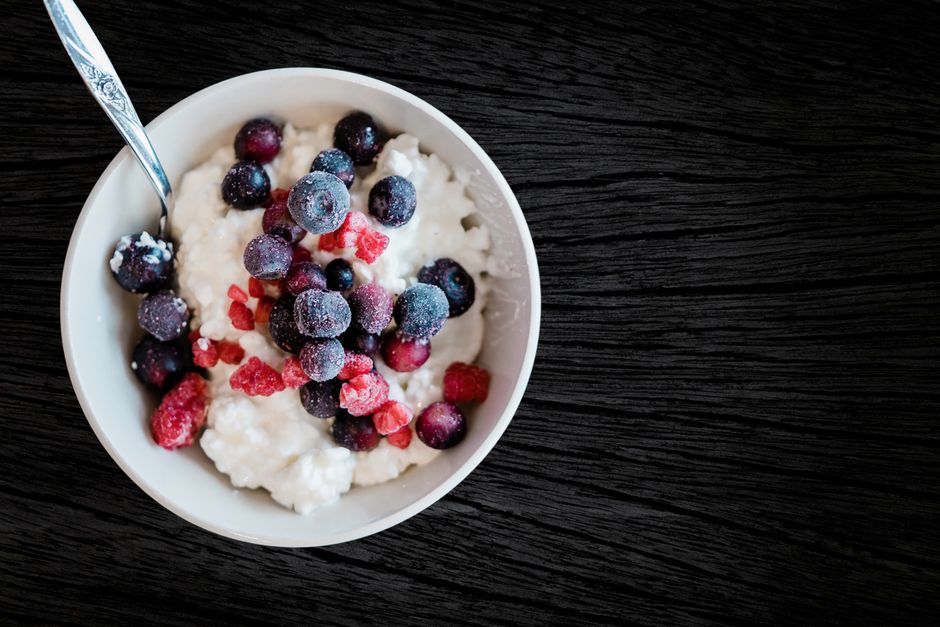
A 6oz chicken breast delivers 42g of protein for about $1.50 at current grocery prices. That’s $0.036 per gram — right in the middle of the whey concentrate range. Two cups of cottage cheese: 50g protein, around $1.00. That’s $0.020/g — cheaper than almost any powder deal available.
Protein powder earns its place in three specific situations: when cooking isn’t practical, when you need protein within 30 minutes post-workout and can’t eat a meal, or when reaching your daily target through food alone would push calories above your budget. For everything else, it’s a more expensive and considerably less filling version of food.
Buy it to fill gaps. Don’t build your nutrition around it.
The single most important takeaway: run the cost-per-gram calculation on every protein powder before you buy, then compare that number honestly against what you’re already eating — because chicken and cottage cheese will win more often than the supplement industry wants you to know.
Medical Disclaimer: This content is for informational purposes only and does not constitute medical advice. Always consult a qualified healthcare professional before making health-related decisions.