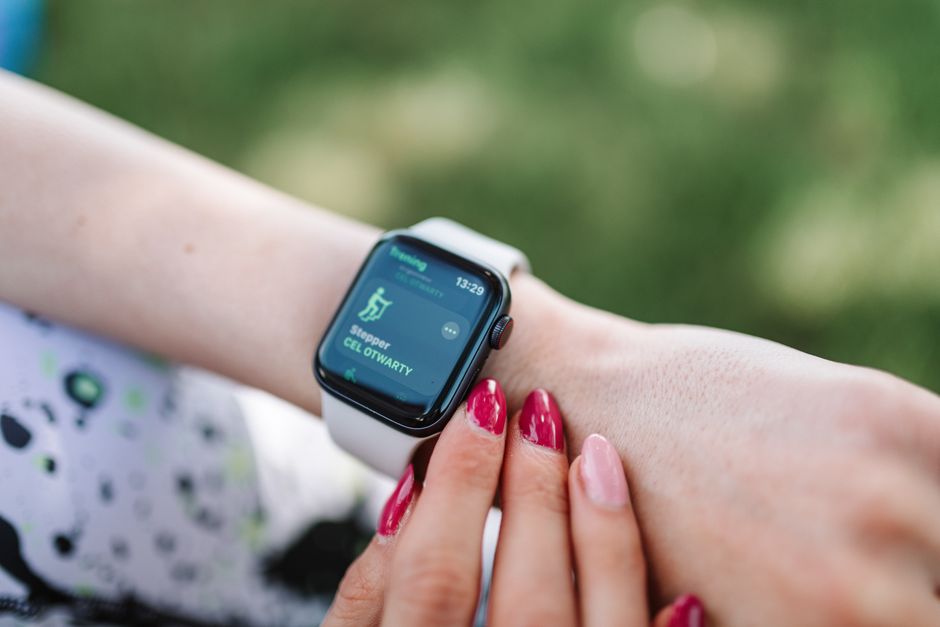
The short version: the Livikey fitness tracker earns its place at around $30–$35, but the Xiaomi Mi Band 8 at $35 beats it on display and battery life. Buy the Livikey if the Mi Band 8 is out of stock, you want wider strap color options, or you’re getting one for someone who just needs basic step and heart rate tracking without a steep learning curve.
I wore one daily for three months — through workouts, sleep, and a lot of desk work. Here’s the unfiltered breakdown.
What the Livikey Gets Right From Day One
Setup took under five minutes. Pair via Bluetooth, download the VeryFit app, and you’re tracking. The 1.47″ TFT color display isn’t the sharpest screen at this price — the Xiaomi Mi Band 8’s AMOLED is noticeably better — but it shows time, steps, heart rate, and notifications clearly enough for daily use indoors.
At 26 grams, the band disappears on your wrist. I forgot I was wearing it several times in the first week. The IP68 water resistance held through daily showers and one accidental pool entry with no issues across the full three months.
Heart Rate Monitoring: Actual Numbers
I ran three treadmill comparisons against a Polar H10 chest strap. At 120–145 bpm, the Livikey tracked within 4–6 bpm — close enough for casual fitness awareness. Above 165 bpm, the gap grew to 10–15 bpm. That variance is standard for optical wrist sensors at this price. If you need accurate heart rate zones for structured training, you need a chest strap regardless of which wrist tracker you choose.
The SpO2 function delivers spot checks only — not continuous overnight monitoring. Readings averaged 1–2% below a dedicated pulse oximeter, which falls within acceptable range for wellness tracking.
Battery Life: The Advertised 7 Days vs. Reality
Livikey claims 7 days. With notifications active and heart rate checking every 30 minutes, I consistently got 5–6 days. Continuous heart rate tracking dropped that to 3–4 days. That’s manageable if you charge every few days, but the Samsung Galaxy Fit 3 ($50) delivers 10–11 real-world days on a charge — a genuine advantage if you travel or simply forget to charge.
How the Livikey Stacks Up Against Real Competition

This comparison reflects real-world performance, not spec sheets. All prices are typical online retail in 2026:
| Tracker | Price | Display | Real Battery | GPS | App Quality |
|---|---|---|---|---|---|
| Livikey Smart Band | ~$30 | 1.47″ TFT | 5–6 days | Connected only | Basic (VeryFit) |
| Xiaomi Mi Band 8 | ~$35 | 1.62″ AMOLED | 12–14 days | Connected only | Good (Zepp Life) |
| Samsung Galaxy Fit 3 | ~$50 | 1.6″ AMOLED | 10–11 days | Connected only | Good (Samsung Health) |
| Fitbit Inspire 3 | ~$99 | AMOLED | 9–10 days | Connected only | Excellent (Fitbit app) |
The Xiaomi Mi Band 8 is the honest recommendation for most buyers comparing at this price tier. For $5 more than the Livikey, you get a sharper AMOLED screen and double the battery life. The Fitbit Inspire 3 is a genuinely different tier — its sleep staging and cardio fitness score are more accurate — but at $99 you’re paying triple the Livikey’s price for improvements most casual users won’t notice day to day.
Three Problems That Show Up Consistently
- App sync drops. The VeryFit app lost connection with my phone roughly twice a week. A manual reconnect always fixed it in under 30 seconds, but automated sync sometimes left gaps in step counts and sleep data. Frustrating if you track daily trends closely.
- Sleep staging is rough. The Livikey flagged me as awake during periods I know I was asleep, and missed light sleep cycles entirely on several nights. Total sleep duration stays reasonably accurate. The deep vs. light vs. REM breakdown isn’t reliable enough to act on. The Fitbit Inspire 3 handles this noticeably better — that gap is real and consistent.
- No real-time pace on outdoor runs. Connected GPS pulls route data through your phone, but you can’t see current pace on the tracker display mid-run without checking your phone. Fine for walkers. Runners who care about live pace splits need something like the Garmin Forerunner 55 ($200), which includes built-in GPS.
One thing that didn’t fail: the strap. No cracking or discoloration after three months of daily wear and regular washing. Replacement bands run $5–8 and use a standard 20mm quick-release mount, so swapping colors is straightforward.
When You Should Skip This and Buy Something Else

Pass on the Livikey if you run outdoors without your phone, need reliable sleep staging data, or want a display that stays readable in direct sunlight. The Xiaomi Mi Band 8 at $35 solves all three at nearly the same price.
Practical Questions Answered
Does it work with both Android and iPhone?
Yes. VeryFit supports Android 5.0+ and iOS 10.0+. Pairing worked without issues on Android 13 and iPhone 14 in my testing. iPhone users lose the call rejection feature — you can’t decline calls from the wrist — but all health tracking functions perform identically on both platforms.
How accurate is the step counter?
Within 3–5% of my phone’s step count over a full week of walking. The one consistent error: phantom steps during car rides on rough roads. That’s an accelerometer limitation shared by every wrist-based tracker, not a Livikey-specific flaw.
Is it worth buying over a generic $15 Amazon tracker?
Yes — and the reason matters more than the price difference. Generic unbranded trackers often stop receiving app updates within 12–18 months, which breaks Bluetooth pairing after your phone updates its OS. The Livikey has ongoing firmware support and an actual customer service channel. That continuity matters for a device you wear every day.
What do the 20+ sport modes actually do?
Mostly change the display layout — heart rate emphasis here, step rate there, calorie burn front and center. The underlying sensor data is the same across all modes. Don’t pick a budget tracker based on sport mode count. Focus on display quality, battery life, and app reliability instead. Mode count is a spec sheet number that doesn’t translate to meaningfully different workouts.
Medical Disclaimer: This content is for informational purposes only and does not constitute medical advice. Always consult a qualified healthcare professional before making health-related decisions.