You’ve decided to start yoga. London has roughly 300 studios. The options include hot yoga, power yoga, aerial yoga, and seventeen variations of vinyasa flow — most of them assume you already know what you want. Here’s how to cut through that and actually begin.
The Style Decision You Need to Make Before Picking a Studio
Every beginner gets this backwards: they pick a studio based on proximity, then figure out the style later. That’s why so many people quit after three sessions. Do it the other way round.
There are five main yoga styles you’ll encounter across London. Three of them are genuinely suitable if you’ve never practised before. Two are not.
Hatha: The Right Default for Most Beginners
Hatha yoga is the base layer. Slower pace, individual poses held for 5–10 breaths, usually 60 minutes. You’ll learn how each posture works before anyone expects you to flow through 30 of them in sequence. If you don’t know a downward dog from a warrior pose, this is where to start.
triyoga offers Hatha fundamentals classes across all five London locations (Camden, Soho, Chelsea, Ealing, and Kensington). Drop-in rate: £22. Intro offer for new students: two weeks unlimited for £40. That’s strong value for central London.
Iyengar: Best If You Have an Injury or Very Limited Flexibility
Iyengar yoga uses props — blocks, straps, bolsters, walls — to achieve proper alignment before strength or flexibility is there. The Iyengar Yoga Institute in Maida Vale runs dedicated beginner courses rather than just drop-in classes: a structured six-week progression at roughly £120. That format is rare in London and genuinely useful for understanding how postures actually work.
If back pain or joint problems are the reason you’re starting yoga, this is the specific answer. Not a class to try — a course to commit to.
Yin: Slow, Passive, No Strength Required
Yin holds poses for 3–5 minutes on the floor. Passive stretching for connective tissue. No cardiovascular element. You won’t break a sweat.
This is the right starting point if the idea of a fast-moving class sounds intimidating. Yoga on the Lane in Hackney includes Yin regularly on their schedule at around £15 per drop-in — one of the more affordable options in London.
What to Skip for Now
Hot yoga — including Fierce Grace and similar studios — means 40°C rooms and 60–90 minute sessions. As a first yoga experience, it’s physically overwhelming and often counterproductive. Ashtanga follows a fixed sequence of 40+ postures that assumes baseline familiarity with the practice. Neither is a real beginner class regardless of what the timetable says.
How London’s Main Beginner Studios Compare
Five studios worth knowing, compared by what matters for a first-timer.
| Studio | Best Style for Beginners | Drop-In Price | Intro Offer | Area |
|---|---|---|---|---|
| triyoga | Hatha, Yin, Vinyasa | £22 | 2 weeks unlimited: £40 | Camden, Soho, Chelsea, Ealing, Kensington |
| Iyengar Yoga Institute | Iyengar (beginner course) | £18 / course ~£120 | Structured 6-week beginner course | Maida Vale |
| Yoga on the Lane | Hatha, Yin | £15 | First class free | Hackney |
| Stretch London | Vinyasa, Hatha | £20 | 30 days: £30 | Fulham, Clapham, Liverpool Street |
| Frame | Yoga, Pilates hybrid | £15 with membership | First month ~£50 | Multiple London locations |
Clear verdict: triyoga’s intro offer is the smartest starting point for most London beginners. Two weeks unlimited access for £40 lets you test different styles and teachers before committing to anything. East London? Yoga on the Lane at £15 drop-in is cheaper and has a more community-oriented feel than the boutique chains.
What Your First Yoga Class Actually Looks Like
Most first-timers arrive expecting to be the worst person in the room and judged for it. That’s not what happens.
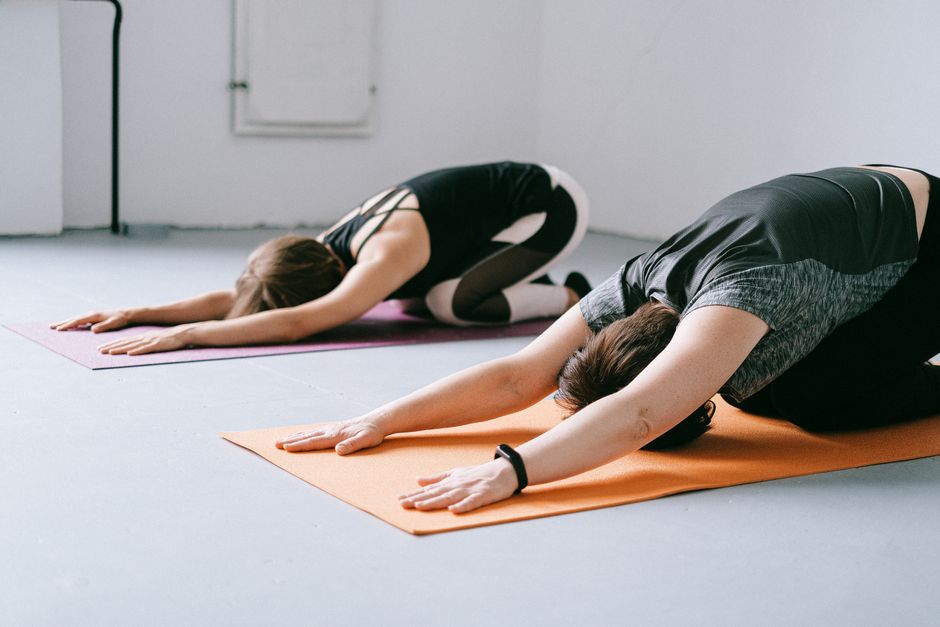
A standard beginner Hatha class runs 60 minutes. The first 10 minutes are on your back — gentle warm-ups or a lying rest. Then standing poses: Mountain Pose, Warrior I, Warrior II, Triangle. Then seated stretches. Final 5–10 minutes flat on the floor in Savasana.
The instructor will offer modifications throughout. Use them. Blocks and straps aren’t admissions of weakness — they’re how most people avoid injuring themselves in the first two months.
One specific piece of advice: ignore the person next to you. Someone doing a full forward fold with their forehead near their knee has been practising for years. That comparison is irrelevant to your session today.
Monthly Cost Breakdown for Three Budgets
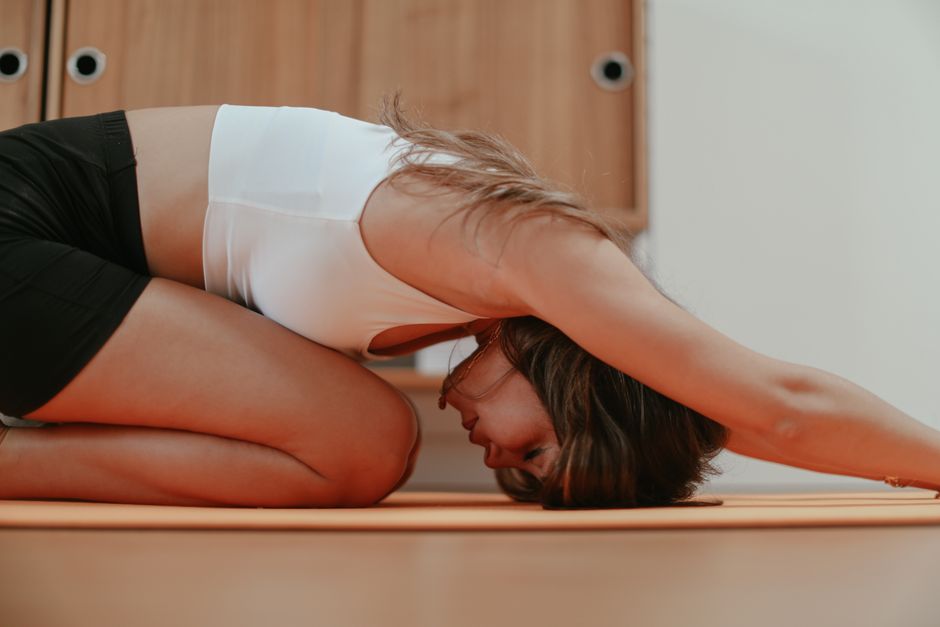
What you actually spend depends on how often you go and which type of studio you use.
| Approach | Monthly Cost | Sessions Per Week | Best For |
|---|---|---|---|
| Intro offer (triyoga, Stretch London) | £30–£40 first month | Unlimited | Testing before committing |
| Drop-in only | £60–£100 | 1–2×/week | Flexible or unpredictable schedule |
| Monthly studio membership | £85–£130 | Unlimited | Committed practitioners, 3+ sessions per week |
| Council leisure centre | £20–£40 | 1–2×/week | Tight budget, basic facilities acceptable |
| Online (Down Dog app, Yoga with Adriene) | £0–£15/month | As often as you like | Home practice, building the habit first |
Don’t sign an annual membership in the first month. Use the intro offer, attend at least eight classes, then decide what format suits your schedule.
Five Mistakes That Derail London Beginners
- Starting with hot yoga. Classes running at 40°C for 60–90 minutes are excellent once you have a foundation. As your first experience with no baseline, you’re more likely to feel dizzy and leave early than have a useful session.
- Going too often in week one. Three classes in the first week sounds committed. It’s also how you end up unable to sit down comfortably by Wednesday. One or two sessions per week with rest days in between is the right starting pace.
- Leaving before Savasana. The final 5–10 minutes of lying still at the end of class isn’t decorative. Savasana is when the nervous system integrates the session — skipping it consistently increases muscle soreness and reduces the calming effect of the practice.
- Comparing flexibility from day one. The person doing a full forward fold next to you has been practising for years. Flexibility is a result of consistent practice over months, not a prerequisite for attending a class.
- Buying gear before the first class. Specialist mats, leggings, and props before you’ve decided you like yoga is money you may not recover. Borrow a studio mat for £1–£2 per session. Wear any comfortable clothing. Buy gear after month two if you’re still going.
When to Start Online Instead of a Studio
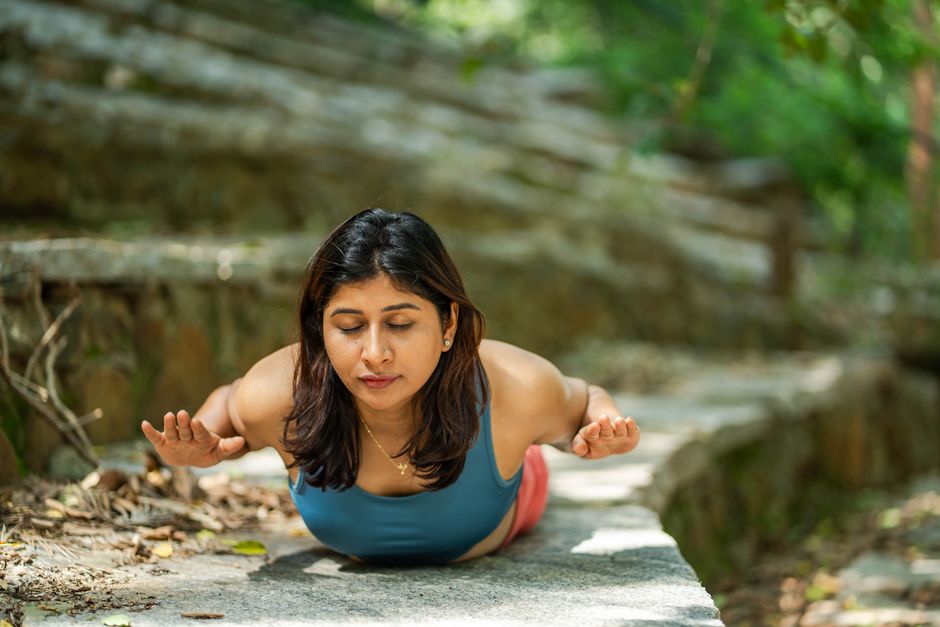
If your schedule is genuinely unpredictable or you live far from a decent studio, start at home. The Down Dog app (£14.99/month or £59.99/year) generates beginner-appropriate sequences at any length you choose. Yoga with Adriene on YouTube is free and has a structured 30-day beginner programme. Build the habit online first, then switch to a studio when you want the feedback that a live teacher provides.
What to Bring, What to Rent, and What You Don’t Need
Do You Need Your Own Mat?
No. Every London studio rents mats for £1–£3 per class. Test at least six sessions before buying. When you’re ready to invest, the Manduka PRO mat (6mm thick, around £120) and the Liforme Original (alignment markers, around £118) are both worth the price if you’re going three or more times per week. For once-a-week practice, the Sweaty Betty Super Grip Yoga Mat at £65 is sufficient.
Clothing: The Honest Answer
Anything you can move freely in. Leggings or shorts without zippers near the floor. That’s the full requirement. Specialist yoga wear is well-made but no better for a beginner class than comfortable clothing you already own.
Studio Props
Blocks, straps, and bolsters are provided by every studio listed above. You don’t need to own any props until you have a consistent home practice, which won’t happen in the first four weeks anyway.
Medical Disclaimer: This content is for informational purposes only and does not constitute medical advice. Always consult a qualified healthcare professional before making health-related decisions.