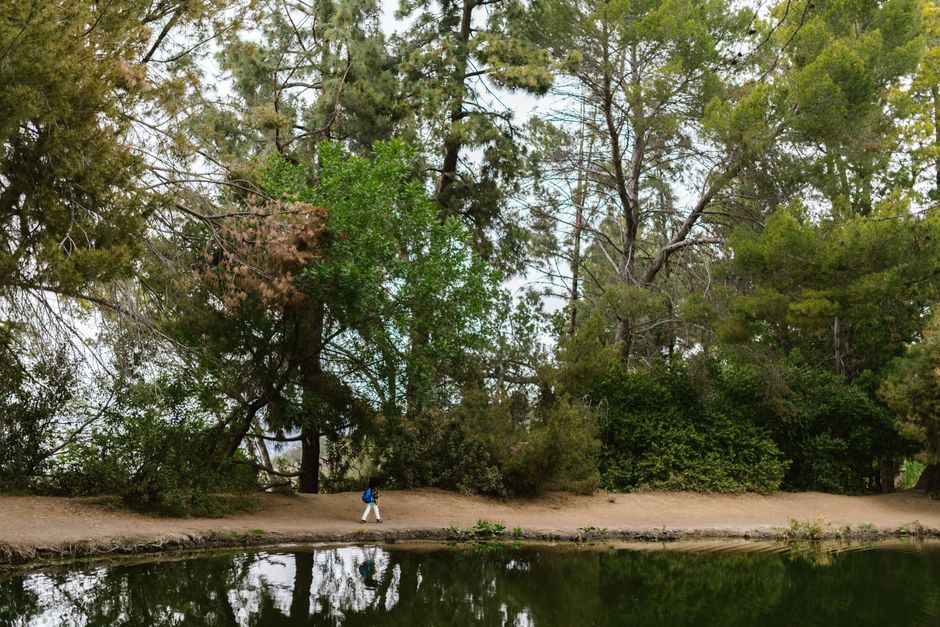
A nature walk can give you a small space in the day where there is nothing particular to achieve. You do not need to reach a viewpoint, identify birds or arrive home feeling completely relaxed. You can simply follow a comfortable path and pay a little attention to the outdoor world.
For this outing, leave fitness goals and ambitious hiking plans aside. The focus is on how you experience the walk: finding an easy route, noticing ordinary details and giving yourself permission to pause. A local park or a tree-lined path can provide a place to begin.
Choose a route that feels manageable
Start somewhere straightforward to reach. A distant woodland may look appealing, but complicated travel and uncertain directions can turn a short break into a demanding project. Choose a place that fits the time and energy you actually have.
Consider what helps you feel comfortable outdoors. That might be an open park with other people around, a clear circular path or a route with plenty of benches. Seclusion is not essential. A place that feels reassuring to you is a better choice than somewhere you think you ought to enjoy.
- Choose a surface suitable for your footwear, balance and mobility.
- Check access information, opening times and current conditions.
- Look for places to sit and an easy way to return.
- Use familiar surroundings and daylight if you are uncertain about the area.
Nature can appear in small spaces. Street trees, planted courtyards and community gardens offer textures, movement and changing light. You do not need an impressive landscape to find something interesting nearby.
Give the walk a gentle beginning
Before setting off, choose one simple intention. You might decide to look at the trees or take an unhurried break between tasks. Avoid turning that intention into a rule you must follow throughout the outing.
Allow enough time to return without rushing. An out-and-back route lets you turn around whenever you choose. A short loop can also work if you know its length and feel comfortable completing it.
If tracking your activity encourages you to chase numbers, put the display out of sight. Keep your phone available for navigation and help, while silencing unnecessary alerts if practical. Photographs are optional; notice whether framing the perfect picture starts to take over your attention.
Expect your thoughts to come along
You might begin the walk thinking about an email, an unfinished job or a conversation you wish had gone differently. There is no need to clear your mind before you start. Thoughts can be present while you notice the path around you.
Choose a pace that feels easy, and let your breathing happen naturally. You do not need to coordinate your breaths with your steps. Adjust a layer, check your shoes and settle into moving at your own pace.
When you realise you have been mentally planning the rest of the day, look again at something nearby. This can be a small return of attention rather than a correction. Being distracted is an ordinary part of the experience.
Try one way of noticing
You do not have to engage every sense or follow a formal exercise. Choose one of the following approaches if it appeals to you. Leave it behind whenever you would prefer simply to walk.
Look closely at a familiar feature
Choose something you would normally pass without examining, such as bark, a leaf or the outline of a branch. Notice its edges, colours and patterns. Keep your attention on the path while moving, and stop somewhere safe if you want a closer look.
Listen to the sounds already there
Pause and notice what you can hear. Leaves, birds, footsteps, traffic and conversation may all be part of the setting. An urban walk does not need silence to count. Stay aware of approaching bicycles, vehicles and other people.
Follow changes on a regular route
Returning to the same place gives you a simple question to explore: what looks different today? Perhaps a puddle has dried, a flower has opened or the wind is moving the grass differently. You do not need to know plant names to notice change.
If focusing on bodily sensations feels uncomfortable, keep your attention on visible features around you. If any exercise feels forced, stop it. There is no required sequence and no need to finish a checklist.
Make room to stop
A pause belongs in the outing just as much as movement does. Sit on a bench or stand in a clear space away from passing traffic. Avoid blocking paths, approaching unstable edges or entering vegetation for a better view.
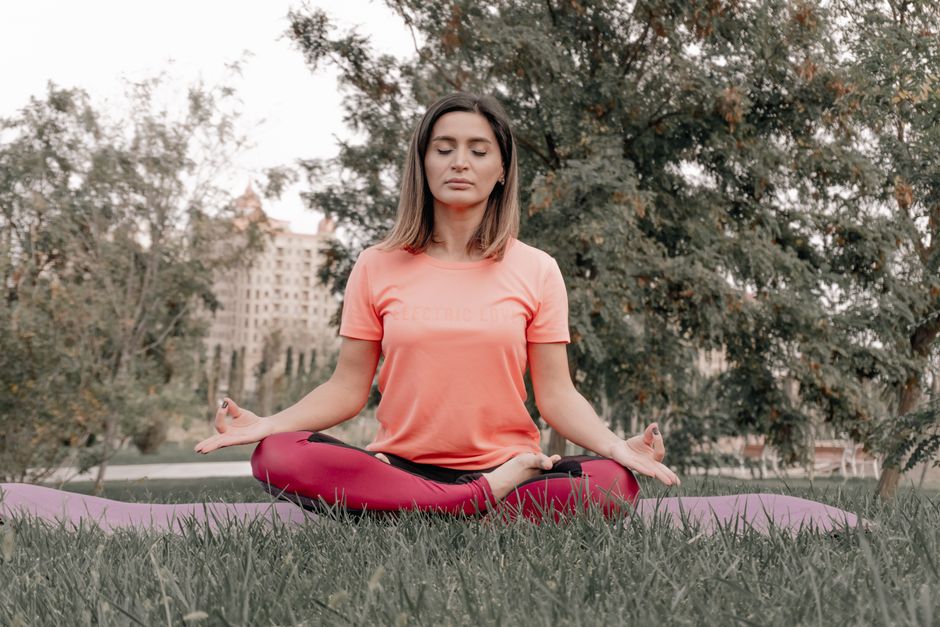
You might watch light falling across a wall or look at the shape of a tree. You do not have to close your eyes, meditate or make the moment meaningful. Stay for as long as feels comfortable, then continue or head home.
If walking is tiring or inaccessible, adapt the outing around an accessible seat overlooking greenery and whatever movement suits you. Check route information beforehand where possible. Covering distance does not determine the value of your time outside.
Keep practical comfort in mind
Check the weather and choose suitable clothing and footwear. Bring water appropriate to the conditions and the length of your outing, and use suitable sun protection. Change your plans when heat, ice, storms or poor air quality make going out unwise.
Stay on permitted paths, give wildlife space and avoid touching or eating unfamiliar plants or fungi. Choose a companion if that makes the outing more comfortable. You can agree that conversation is welcome but quiet stretches are welcome too.
For a remote route, tell someone your plans and expected return time. Consider whether a simpler location would better suit a day when you want fewer decisions. You can change the route or turn back without needing to justify it.
Return without rating the experience
As you finish, recall one detail that caught your attention. It could be the sound of gravel or a leaf moving across the path. You can remember it without recording your mood or deciding whether the walk worked.
You may feel calmer, unchanged or still preoccupied. If part of the outing appealed to you, make that part easy to repeat. A familiar bench or nearby path can be enough of a reason to return.
If stress, anxiety or low mood persists or affects daily life, speak with your GP or a qualified mental health professional. Ask a GP or qualified professional for individual advice about health conditions, injuries, pregnancy or starting new exercise if you are unsure. Let a nature walk remain an optional activity that you can shape around your needs.