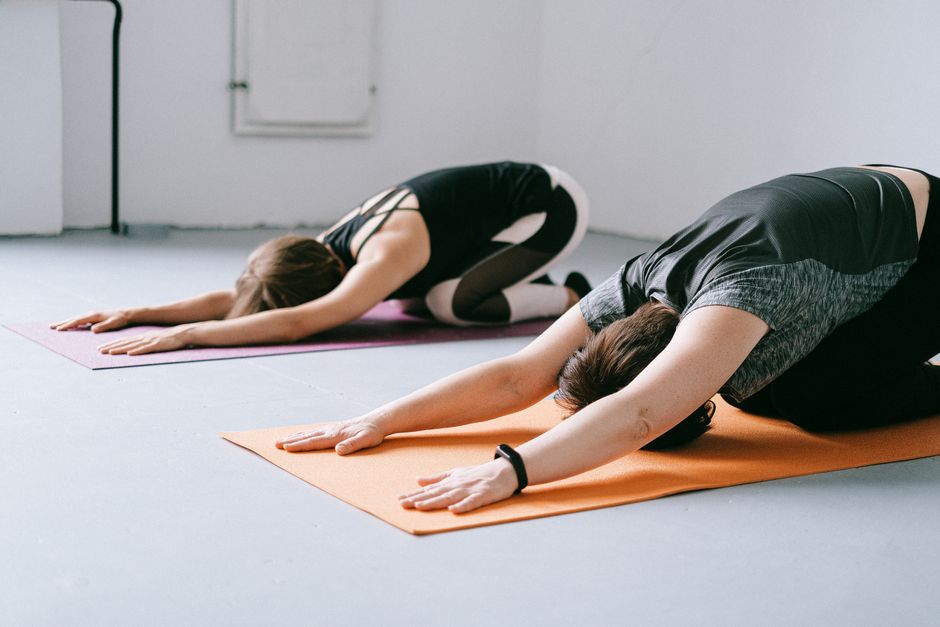
Reaching a shelf, stepping into trousers and getting out of a chair all involve mobility. As you get older, a useful workout can focus on making familiar movements feel more manageable. You do not need to aim for deep stretches or impressive positions. Instead, practise moving through a comfortable range with enough control to return smoothly. This routine centres on everyday reaching, bending and stepping, with support available throughout.
Choose an everyday movement as your goal
Mobility means being able to move through a range you can use and control. It overlaps with flexibility, but a mobility session involves more than holding stretches. For everyday tasks, you also need to guide your body into a position and move out of it without rushing.
Choose a practical goal, such as reaching into a cupboard or bending towards a drawer. This gives your sessions a purpose beyond becoming generally more flexible. Avoid using a difficult household task as a repeated test, especially if it involves carrying something heavy or standing on a stool.
Your starting point depends on your current ability, rather than your age alone. If you have a health condition, an injury, recent surgery, are pregnant, or are unsure about starting exercise, speak with a GP or qualified professional first. A physiotherapist can help adapt movements to your needs.
Prepare a comfortable space
Use a firm chair without wheels, positioned against a wall, and a fixed worktop for standing support. Clear away rugs, cables and other trip hazards. Wear clothing that lets you bend comfortably and footwear that feels secure on your floor.
Begin with a few minutes of easy movement. Walk around the room if comfortable, or sit and alternate gentle heel lifts with relaxed arm movements. Let the first repetitions of each exercise stay small. Explore a little more movement once you feel ready.
Keep the effort comfortable. Breathe normally and avoid forcing a joint towards its limit. Stop if an exercise causes pain, dizziness, tingling or unusual breathlessness. Seek medical advice about new or persistent symptoms instead of repeatedly trying to stretch through them.
A routine for reaching, bending and stepping
Work through these movements slowly. As a starting option, try three to five comfortable repetitions of each, pausing whenever needed. Choose only two or three movements for a shorter session. The numbers are a guide, rather than a requirement to finish when you are tired.
Seated ankle movements
Sit with both feet on the floor and your knees comfortably apart. Keeping your heels down, lift the fronts of your feet, then lower them. Next, keep your toes down and gently lift your heels. Alternate between the two without rocking your whole body.
Notice whether the movement feels smooth on each side. Keep the range small if your ankles feel stiff. This lets you practise ankle movement before standing exercises, without having to balance on one leg.
Supported knee travel
Face a worktop and hold it securely. Place one foot slightly behind the other, with both feet pointing comfortably forwards. Gently bend the front knee towards the toes while keeping the front heel on the floor. Return to your starting position, then repeat before changing sides.
Keep the movement shallow and controlled. Move your feet closer together if the position feels awkward. Explore how your lower leg moves over your foot without trying to push your knee as far forwards as possible.
Seated turns
Sit tall, with your feet planted and your hands resting across your chest or on your thighs. Slowly turn your chest a little to one side, allowing your head to follow comfortably. Return to the middle before turning the other way.
Keep both sitting bones on the chair. Avoid pulling on its back to force a larger twist, and do not strain your neck to look farther behind you. Imagine turning to speak to someone beside you, using a range that feels easy to repeat.
Comfortable arm reaches
Stay seated or stand with support nearby. Reach one hand forwards and slightly upwards as though placing a light item on a shelf. Lower it slowly and change arms. Choose a height that lets you breathe comfortably without leaning backwards.
If an overhead reach feels uncomfortable, work below shoulder height. Keep your hand empty during practice. A steady reach and an unhurried return give you something useful to focus on at any height.
Supported hip hinges
Stand facing a fixed worktop with your hands resting on it. Soften your knees and move your hips backwards a little, letting your chest tip forwards. Keep your back in a comfortable position, then return to standing by bringing your hips forwards.
Picture closing a drawer behind you with your hips. Start with a small movement and avoid reaching towards the floor. If standing feels uncertain, omit this exercise and ask a qualified professional for a suitable alternative.
Chair rises
Sit towards the front of your stable chair, with your feet flat and placed where they feel secure. Lean forwards gently, press through your feet and stand. Use the chair arms if needed. Pause, then reach back for the arms and lower yourself slowly.
A higher, firm seat may make this more manageable. Avoid loose cushions that could slip. If you cannot rise comfortably with support, leave this exercise out and seek individual guidance instead of using momentum or repeated attempts.
Adjust your workout to the day
Finish with easy seated movements or a short, relaxed walk. Leave enough energy for your usual activities. A session that exhausts you can make it harder to practise consistently.
- On a comfortable day: complete your chosen movements once, with pauses between them.
- When tired: choose the seated movements and keep the session brief.
- After a break: return to a smaller range and fewer repetitions before building up again.
Try a few brief sessions across the week and adjust according to how you feel during and afterwards. Once a movement feels comfortable over several sessions, change one thing at a time: add a repetition or explore a slightly larger range. Keep your support in place.
Look for useful changes
Note which movements felt comfortable and whether a familiar task seemed easier. Progress might mean reaching with less hesitation or lowering into a chair more smoothly. It does not have to mean touching your toes or matching another person’s range.
If an exercise leaves you more uncomfortable later that day or the next, reduce it or leave it out. Persistent difficulty with everyday movement deserves individual advice. Keep your routine connected to the things you value doing, and let comfortable, controlled practice guide your next session.