Best Bamboo Baby Pajamas for Sensitive Skin and Deeper Sleep
Why Bamboo Fabric Changed How Parents Think About Baby Sleepwear
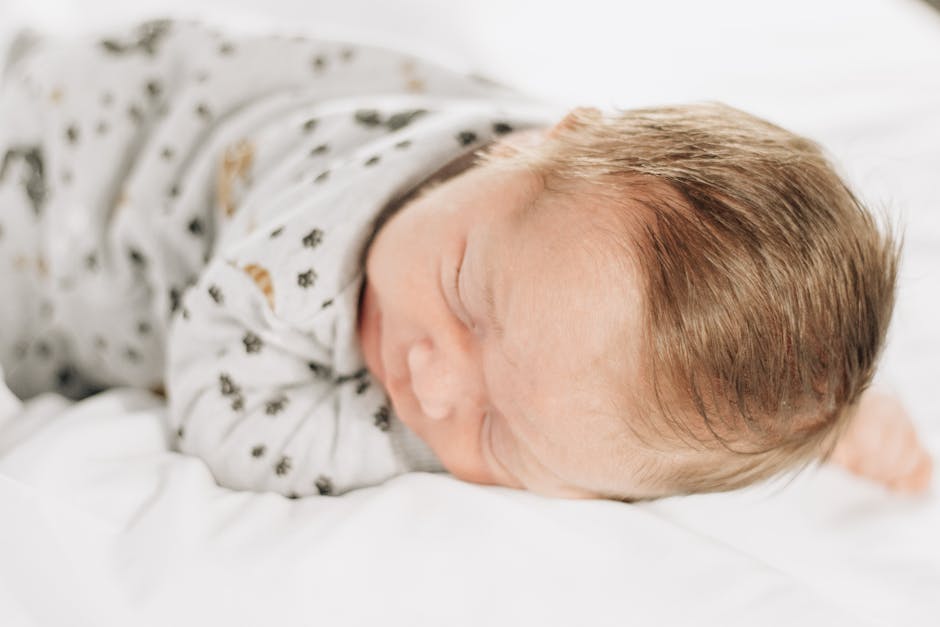
It’s 3 AM. You’ve done the diaper change, wrapped the baby back up, and now they’re wide awake — because the cotton-poly blend sleeper they’re wearing is trapping heat against their skin. You’ve been here five times this week.
That’s the problem bamboo sleepwear actually solves. Not marketing. Not a premium aesthetic. A measurably cooler, softer, more comfortable night — which means more sleep for the baby and, consequently, for you.
Here’s what the fabric science shows: rayon from bamboo has a finer fiber diameter than standard cotton, which creates the silk-like feel. It also transports moisture away from the skin roughly 30% faster than cotton before that sweat builds up and disrupts sleep. Brands like Kyte Baby and Burt’s Bees Baby built their entire core product lines on this premise. They sell out regularly for a reason.
What “Rayon From Bamboo” Actually Means
The label means bamboo plant material was chemically processed into a soft, regenerated cellulose fiber. It is not the bamboo stalk. The chemical conversion strips away some of bamboo’s natural antimicrobial properties, but softness and thermal regulation survive intact. If a brand advertises “organic bamboo fabric,” ask whether the final textile is OEKO-TEX Standard 100 certified — that certification actually tests for harmful substances in the finished fabric. The word “organic” alone does not.
Is it worth the premium over basic cotton for sleepwear? Yes. Sleep is when skin stays in contact with a fabric for 10 to 12 uninterrupted hours. A rough or non-breathable material disrupts sleep cycles and aggravates eczema-prone skin. That’s consistent with what pediatric dermatologists observe clinically and what parents report in thousands of reviews.
Breathability in Real Terms
Bamboo fabric regulates temperature better than standard cotton. It wicks moisture away and releases it into the air faster. For babies who run warm — or for summer nights when air conditioning barely keeps pace — this shows up in how often they wake.
The alternative, polyester or synthetic blends, traps heat. Gerber makes affordable polyester sleepers that work fine for daytime outfits and short naps. For a baby sleeping 10 to 12 hours straight through the night? Skip them. The breathability gap is real and it shows up in restless nights.
One real tradeoff: bamboo fabric requires gentler care. Hot water and harsh detergents break down the fibers faster than they do with cotton. Cold wash, gentle cycle, low tumble dry or line dry. That is the maintenance cost. Know it before you buy.
Flammability Standards: What the Label Tells You
All baby sleepwear sold in the US must comply with CPSC flammability standards. For bamboo pajamas, manufacturers achieve this either through snug-fit construction — tighter fits reduce loose fabric from catching flame — or through chemical flame-retardant treatment. Snug-fit is the cleaner option. No treatment chemicals against your baby’s skin for 12 hours a night. Both Jimonda products use snug-fit designs. That’s the correct call.
The Best Footed Infant Pajama Under $40: Jimonda Bamboo Sleeper
For infants from newborn through 12 months, the Jimonda footed bamboo pajama is the strongest value under $40 right now. The 2-way zipper — openable from the bottom up or top down — is what separates this from most competitors in the price range. Unzipping from the bottom for a midnight diaper check without disturbing a half-asleep baby is not a small convenience. It’s the difference between a 4-minute swap and a fully woken, screaming infant at 2 AM.
The tie-dye dinosaur print in blue and green photographs accurately. Not the kind of cute that shows up 30% smaller in person. The rayon from bamboo construction is noticeably softer than the Carter’s Simple Joys footed pajamas, which run about $8 cheaper per piece but use a cotton-polyester blend that shows its limitations within the first month of washing. Side by side, the fabric difference is immediate.
At $34.19 with a 4.6 out of 5 rating across 207 reviews, the Jimonda bamboo infant sleeper sits in the sweet spot between budget cotton and premium brands like Hanna Andersson, which charges $28 or more per piece with waitlisted colorways and longer shipping windows. For gifting or everyday rotation, the Jimonda is the more practical pick.
Who This Pajama Is Actually For
This is the right choice when your baby fits any of these:
- Eczema or reactive skin that reddens against rougher fabrics within an hour
- Hot sleeper tendencies — consistently sweaty by morning or fussy after the first sleep cycle
- Frequent nighttime diaper changes, where the 2-way zipper pays dividends immediately
- Parents who want bamboo quality without paying Kyte Baby prices, which run $36 to $42 per single sleeper
If your baby sleeps soundly in $6 Gerber onesies with no skin complaints, there’s nothing here you urgently need. But if nighttime restlessness is a recurring problem and fabric hasn’t been addressed as a variable — start here before anything else.
Fit Notes for the 3-6 Month Size
The 3-6 month size fits most babies between 12 and 16 pounds and 23 to 26 inches. The footed design accommodates average foot widths. Wide-footed babies may feel snug in the toe box by month five. If your baby is tracking toward the larger end of the size range at the time of purchase, size up. You’ll get 6 to 8 extra weeks of use, and bamboo has enough natural give to wear slightly large without looking shapeless.
Three Rules for Buying Baby Pajamas That Most Parents Learn Too Late
- Always buy one size up. Babies outgrow sleepwear in 6 to 8 weeks. Buying the current size means you’ll need new pajamas before you’ve washed the first set more than a dozen times. Buy the next size up, live with slightly long legs for a few weeks, and you’ll get double the use from every purchase. For bamboo specifically — which costs more per piece — this math matters even more.
- Demand a 2-way zipper or magnetic closure. Single-direction top-down zippers mean full undressing at midnight. Two-way zippers that open from the bottom change nighttime changes completely. If you want to skip zippers entirely, Magnetic Me’s magnetic closure system is the fastest option on the market — but expect to pay $30 to $38 per piece. Worth it for parents who prioritize speed over cost.
- Read the wash instructions and actually follow them. Bamboo does not survive hot water cycles. Cotton tolerates them. Polyester blends are nearly indestructible in the wash. Treating bamboo sleepwear like cotton will degrade the fabric within 15 to 20 washes — the softness goes first, then the shape. Cold cycle, gentle detergent, low heat or line dry. Every single time. This single habit difference determines whether your bamboo pajamas last four months or four years.
These aren’t edge cases. They’re the three complaints that appear most consistently in negative reviews for otherwise well-made baby sleepwear — problems that had nothing to do with the product and everything to do with how it was used.
Bamboo vs. Cotton vs. Synthetic: The Honest Comparison
Here’s how the three main fabric types actually compare across the factors that matter for baby sleepwear:
| Feature | Bamboo (Rayon) | 100% Cotton | Polyester/Synthetic |
|---|---|---|---|
| Softness | High — silk-like feel on sensitive skin | Medium — improves with washing | Low — can feel stiff or scratchy |
| Breathability | High — moisture-wicking, fast-release | Medium — absorbs but holds moisture | Low — traps heat and sweat overnight |
| Durability | Medium — requires gentle washing | High — survives hot cycles | High — wash-and-wear friendly |
| Price per piece | $20–$45 | $6–$20 | $5–$15 |
| Best use case | Nighttime, sensitive or reactive skin | General use, high-wash households | Daytime play, occasional outfits |
| CPSC compliance method | Snug-fit design (no chemical treatment) | Snug-fit or flame-retardant treatment | Usually flame-resistant fiber blend |
The verdict is not complicated. Budget is the only strong reason to choose cotton over bamboo for overnight sleepwear. Carter’s 5-pack sleepers run $25 to $30 for the full set — hard to argue with that math if cost is the primary constraint. But if sleep quality and skin comfort are the deciding factors, the per-piece premium for bamboo earns its keep quickly.
Synthetic blends belong in daytime play clothes, not pajamas. Polyester traps body heat and can make a sleeping baby genuinely uncomfortable after a few hours of contact. Gerber’s cotton-blend daywear is a reasonable middle ground for morning routines — just don’t use synthetic fabric as your primary sleepwear material.
Best Toddler Pajama Set for Ages 2 to 4: Jimonda 4-Piece
Toddlers are a different challenge entirely. They move constantly, run hot, and will negotiate whether pajamas are even a requirement on any given night. You need something soft enough that they’ll tolerate wearing it, breathable enough for kids who overheat in air conditioning, and durable enough to survive three washes a week.
The Jimonda Kids Short Sleeve 4-Piece bamboo sleepwear set handles all three. At $25.64 for the full set, the per-piece cost beats single-item bamboo options from Copper Pearl — which charges $32 to $35 for a two-piece set — by a meaningful margin. The short sleeve design is the right call for toddlers who sleep warm, and shorts instead of pants means no twisted legs tangled around a half-asleep kid at midnight.
A 4.8 out of 5 across 246 reviews is harder to maintain than an infant product. Toddler parents have higher standards and return items more readily. The rating is earned. The Jimonda bamboo toddler pajama set in 2T fits most kids between 28 and 30 pounds and 33 to 35 inches. The same listing includes 3T and 4T options worth checking before committing to the 2T if your child is close to the upper end of the range.
What 246 Reviewers Actually Noticed
The consistent praise: softness holds after multiple washes, sizing matches the label accurately, and kids request to wear them again. That last point matters more than any fabric specification. A pajama a toddler refuses to put on is a $25 drawer ornament regardless of how good the material is.
The consistent criticism: slight color fading after 10 or more washes when people ignore the cold-wash instruction. This is a bamboo dye reality, not a manufacturing defect. Cold water preserves the color. Warm or hot water does not. Follow the label and this is a non-issue.
What “Outdoor-Ready” Actually Means on This Label
The product description includes “outdoor” in its copy. This means the design is casual enough to leave the house in — a quick grocery run, a playground visit, or a drop-off at grandparents’ without negotiating a full outfit change first. It is not a technical outdoor garment. For any parent who has been in the 7 AM clothing argument with a two-year-old, this practical flexibility is worth acknowledging upfront.
Common Baby Sleepwear Mistakes Worth Avoiding
Is “organic bamboo” worth paying more for?
“Organic bamboo” usually refers to how the plant was farmed — without synthetic pesticides. The chemical processing to convert bamboo into rayon fabric is essentially identical regardless of how the plant was grown. The “organic” label often does not meaningfully change what is in contact with your baby’s skin. What actually matters is whether the finished fabric carries an OEKO-TEX Standard 100 certification, which tests for harmful substances after all processing is complete. That label is worth paying for. The word “organic” alone on a bamboo product is largely marketing.
How many pajama sets do you actually need per size?
Four to six. Enough to cover a full week of washing without running short, not so many that you donate perfectly good pajamas after eight weeks when the baby outgrows the size. Over-buy on laundry supplies. Under-buy on individual size runs. The math is better that way, especially for bamboo pieces at $25 to $35 each.
Do footed pajamas actually cause overheating?
They can. If your baby consistently wakes sweaty, aggressively kicks off blankets, or seems restless despite a cool room, footed pajamas combined with a room temperature above 70°F is a likely contributor. Drop the room to 68°F, switch to a short-sleeve set, and observe for one week. Most nighttime overheating in sleeping babies is a fabric and environment management problem, not a medical one.
When do footed sleepers become a safety issue?
Around 18 months for most kids. Once they are walking steadily, smooth-soled footed pajamas become a slip hazard on hardwood or tile floors. Either look for footed options with non-slip grip prints on the soles — most quality brands include them — or transition to two-piece sets. The Jimonda 4-piece is a natural next product for this transition.
When to Skip Footed Pajamas Entirely
Hot sleeper. Warm climate. Baby already hitting the upper weight limit of the current size. If two or more of those apply, footed pajamas are the wrong product. They will overheat your kid and force an early size-up before the feet have any room left. Get a short-sleeve two-piece instead.
Back to that 3 AM scenario — sweaty baby, trapped heat, wide awake. That doesn’t happen because footed pajamas exist. It happens because the wrong fabric meets the wrong cut for that specific baby in that specific environment. Match bamboo fabric to a short-sleeve cut for warm sleepers, or a footed design in bamboo for babies in cooler rooms, and most of that nighttime restlessness becomes manageable. Ten to twelve hours of the right fabric contact changes the night significantly.