It’s 6:45am. Your alarm went off 20 minutes ago. You’re still in bed, dreading the pile of dishes in the sink, the workout you’ll skip again, and the energy crash you’ll feel by 10:30. You tell yourself tomorrow will be different. Tomorrow looks exactly the same.
The fix isn’t waking up at 5am or adding more steps to your day. It’s building three interlocking systems — energy, fitness, and home care — so you’re not starting from zero every morning and not making decisions under pressure before you’ve even eaten.
Why Most Morning Routines Collapse Within Two Weeks
The standard advice: meditate, journal, cold shower, run, eat clean, drink lemon water — all before 7am. Then it’s your fault when you quit by day nine.
The real problem is that motivation is highest on day one and lowest on day seven. Any routine that runs on motivation as its engine will stall. The routines that last are built on friction reduction — making the right behavior the easy behavior, not the effortful one.
The cortisol window most people waste
Cortisol peaks 30-45 minutes after waking. That’s your body’s built-in alertness spike. Most people burn through it by checking their phone, which triggers unpredictable dopamine hits and makes sustained focus harder for the next 90 minutes.
Use that window for something physical instead. Even 10 minutes of movement during the cortisol peak measurably improves alertness for the following two hours. The Oura Ring Gen 3 ($299 plus $5.99/month) makes this data-driven: its Readiness Score gives you a single number each morning based on sleep quality and recovery. On low-Readiness days, ease in. On high days, push harder. It removes guesswork from a part of the day where most people are operating on autopilot.
Overnight dehydration is hitting you harder than you think
You lose roughly 500ml of water overnight through breathing and perspiration. Even 1% dehydration measurably reduces cognitive performance and reaction speed. The solution costs nothing: drink 500ml of water before coffee. Put a Hydro Flask 32oz Wide Mouth ($45) on your nightstand the night before. Morning you doesn’t walk to the kitchen first — morning you opens the bottle that’s already there. Small friction change. Big behavior result.
The two habits that cost nothing and compound fastest
Two non-product habits that outperform most purchases:
- Fixed wake time — within 30 minutes, seven days a week, weekends included. Your circadian rhythm stabilizes within two weeks of consistent timing, and you’ll feel less groggy waking up at the same hour even without an alarm.
- Pre-decided choices — clothes selected, bag packed, breakfast prepped the night before. Decision fatigue depletes willpower. Burning through it before 8am leaves less capacity for everything that follows in your workday.
Three anchored habits to start: consistent wake time, 10-20 minutes of physical movement, protein within the first hour. Layer everything else on top only after this base holds for two full weeks without breaking.
Fitting Real Fitness Into 20 Minutes Before Work
Two reasons people skip morning workouts: they assume it needs to be 45 minutes or longer, or their equipment takes longer to set up than the actual session. Neither problem is fixed. Twenty minutes with a clear plan and ready equipment is enough to build genuine consistency — and consistency is the only variable that produces results over time, not session length.
Three setups ranked by cost and complexity:
Bodyweight circuit — $0, zero setup
Three rounds: 10 push-ups, 15 air squats, 10 reverse lunges each side, 30-second plank. Rest 60 seconds between rounds. Done in under 20 minutes. Not the best long-term progression tool, but it maintains conditioning during travel, budget periods, or when you’re still building the daily habit. Your fallback, not your primary plan.Bowflex SelectTech 552 adjustable dumbbells — $429
Replaces 15 pairs of fixed weights, adjusting from 5 to 52.5 lbs with a single dial turn. Takes up the floor space of a small stool. For a 20-minute session, superset two compound movements: Romanian deadlifts with dumbbell rows, then shoulder press with goblet squats. Dial adjustment takes three seconds, so there’s no dead time between exercises. The right choice for anyone with a small dedicated space who wants real strength progression without a gym membership.TRX GO Suspension Trainer — $150
Anchors over any standard door. Resistance scales with your body angle, so the same movement — TRX row, TRX push-up, TRX squat — gets harder or easier by stepping forward or back. No swapping equipment, no plates. The GO version ships lighter than the TRX HOME2 ($200), which suits a permanent anchor point better. The GO is the right pick for doorframe setups. Comes with QR code access to structured workouts including a dedicated 20-minute morning sequence worth following before you build your own.
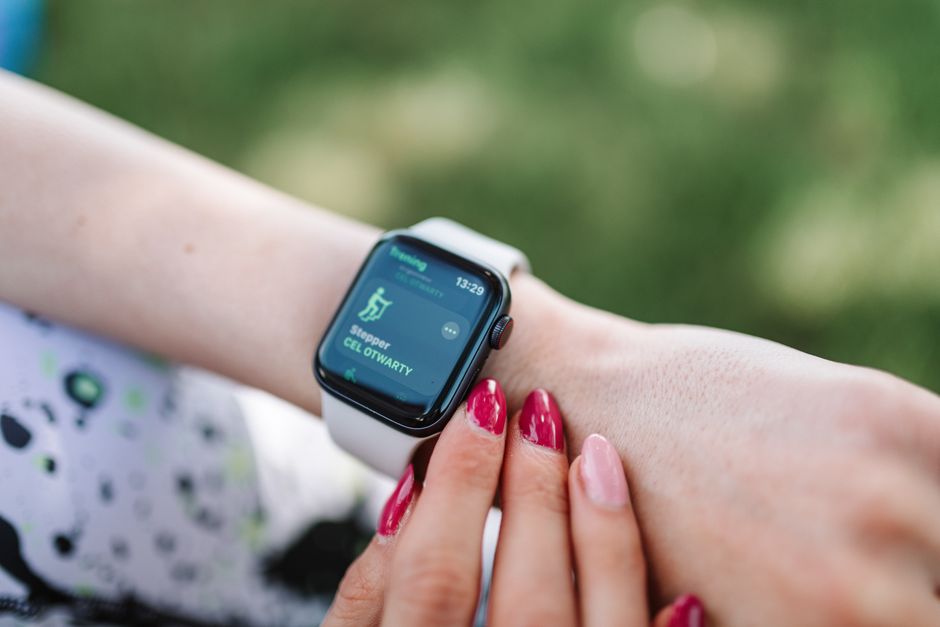
Track your sessions or they won’t improve. The Garmin Forerunner 265 ($449) is the specific recommendation for morning athletes who want objective data without the bulk of a smartwatch. It logs heart rate, VO2 max estimates, connects to Strava and Garmin Connect, and shows a Body Battery readiness score before each session. Battery runs 13 days in watch mode. At this price point, no competitor matches its combination of training metrics and battery life.
One rule that matters more than anything else: set up your equipment the night before. TRX door anchor attached, Bowflex dial set to your starting weight, playlist queued, 20-minute timer ready. Morning you executes a plan. Morning you does not make one.
What to Eat in the Morning: A Direct Comparison
Speed is the enemy of breakfast quality. Grabbing whatever’s fastest — a granola bar, a piece of toast — gets you to 10am. Protein-anchored breakfasts get you to noon with stable output. The difference between those two states adds up to real hours of lost productivity each week.
| Breakfast Option | Protein (g) | Morning Prep Time | Approx. Cost/Serving | Energy Duration |
|---|---|---|---|---|
| Overnight oats + protein powder | 25-30g | 0 min | ~$2.00 | 4-5 hours |
| 3 scrambled eggs + avocado | 18g | 8 min | ~$3.00 | 4-5 hours |
| Greek yogurt + berries + seeds | 20g | 2 min | ~$2.50 | 3-4 hours |
| Kodiak Cakes protein pancakes | 14g (22g with eggs added) | 8 min | ~$1.80 | 3-4 hours |
| AG1 Athletic Greens + protein shake | 20-30g (protein-dependent) | 3 min | ~$5.50 | 3 hours |
Overnight oats win for most people. Zero morning prep. Add one scoop of protein powder and you’re at 25-30g. Costs about $2 per jar. Batch prep four on Sunday night and you’ve already made your Monday through Thursday breakfast decision. Nothing to think about.
Kodiak Cakes are the strong alternative for people who won’t eat cold breakfast. The protein pancake mix runs about $7 per box for 5-6 servings. Add eggs to the batter and protein jumps to 20-22g per serving. Stocked at most grocery stores, no specialty ordering.
If you have four minutes and a blender, the Vitamix E310 Explorian ($350) is the correct upgrade over budget options. Frozen banana, Greek yogurt, one scoop protein powder, 200ml oat milk — 45 seconds to blend, 30g protein total. Budget blenders in the $50-80 range overheat on frozen fruit within six months of daily use. The E310 runs the same operation daily for years without degradation. The price difference pays for itself inside 18 months of use.
AG1 Athletic Greens ($79/month for 30 servings) fills micronutrient gaps but is not a meal — pair it with actual food. If your diet already includes varied vegetables, whole grains, and diverse protein sources, the marginal benefit at $2.60 per serving is debatable. It’s a supplement in the literal sense, not a morning shortcut.
Home Care Tools That Work While You Exercise or Shower
Is a robot vacuum actually worth it for mornings?
Yes — but only if your floors are relatively clear. Schedule the iRobot Roomba j7+ ($649) to run at 6:30am and you wake up to clean floors without a single action. The j7+ earns its specific recommendation because it uses camera-based obstacle avoidance to navigate around cables, shoes, socks, and pet toys — the exact objects that cause cheaper models in the $200-300 range to get stuck, confused, or actively spread debris further. Its self-emptying base handles collected dust for 30-60 days before you touch the bin.
When NOT to buy a robot vacuum: more than two heavy-shedding pets, thick pile rugs across most of your floors, or living spaces that are regularly cluttered with objects that shift position. In those conditions, the robot becomes a chore to manage rather than one it eliminates. The right alternative is the Dyson V12 Detect Slim ($649) — a cordless stick vacuum with a laser that illuminates fine dust on hard floors, 60 minutes of battery life, and a format you grab and finish with in two minutes. Same price point, entirely different use case.
What about the kitchen?
Run your dishwasher overnight. Clean dishes are waiting when breakfast prep starts. The Bosch 300 Series dishwasher ($799) operates at 44 dB — quiet enough to run at 11pm without waking anyone. If you’re renting and stuck with a louder machine, a programmable timer outlet ($12-15) handles the overnight scheduling for you automatically.
The Breville Precision Brewer ($200) with its programmable start time means coffee is ready before your alarm goes off. Load it the night before, set the timer. The critical spec: it brews at 200°F, the correct extraction temperature. Standard drip machines under $80 run at 175-180°F and under-extract, producing flat, more acidic coffee regardless of bean quality. One evening of setup delivers a better cup every single morning.
Smart lighting: is it worth adding?
In dark winter months or rooms without east-facing windows, yes. The Philips Hue Gradient Lightstrip Starter Kit ($230) paired with a sunrise alarm simulation gradually brightens over 20-30 minutes before your alarm fires, suppressing melatonin through light exposure before sound wakes you. It’s measurably easier to get out of bed versus a jarring alarm in a dark room. That said, this is a tier-three priority. Get the core three habits solid first. Add the lighting once the foundation holds.
Morning Mistakes That Quietly Drain Energy and Time
- Too many steps at once. A seven-item routine is a routine you’ll skip. Three habits first. Add a fourth only when the first three are running without active thought — usually around day 14.
- Skipping evening prep. A morning routine requiring 15 minutes of setup before it starts is already failing. Clothes, bag, breakfast — prepped every night, not when you remember.
- Buying equipment without a structured program. Fitness gear collects dust when there’s no workout attached to it. Download a program before the equipment arrives. Equipment doesn’t create behavior — structure does.
- Coffee before water. Caffeine on top of overnight dehydration deepens the cognitive deficit instead of fixing it. 500ml water first, every morning, without exception.
- Drinking coffee in the first 45 minutes after waking. Cortisol is already elevated in that window. Caffeine adds minimal alertness and accelerates the afternoon crash. Delay your first cup by 90 minutes and the difference in sustained afternoon focus is noticeable within five days of trying it.
- Waiting for the “full” workout before doing anything. A 20-minute session five mornings a week will outperform a 60-minute session once a week over any 12-week period. The short version is not the compromise. Skipping entirely is the compromise.
The Morning Stack That Actually Works
Wake at the same time. Drink 500ml of water before coffee. Move for 20 minutes with whatever equipment you have. Eat 20-25g of protein within the first hour. Let the robot vacuum run while you’re in the shower.
The base is that simple. Every other optimization is noise until that baseline runs automatically — and once it does, the rest of your day starts from a different position entirely.
Medical Disclaimer: This content is for informational purposes only and does not constitute medical advice. Always consult a qualified healthcare professional before making health-related decisions.