Autumn produce becomes easier to use when you think about what each ingredient does in the kitchen. Apples can bring crunch or soften into a sauce; squash can hold its shape in a tray bake or become a smooth mash. Rather than collecting unfamiliar vegetables without a plan, choose a few ingredients and give each a clear job. This guide focuses on choosing, preparing and cooking autumn fruit and vegetables, with practical ways to get different meals from the same shopping basket.
Start with your kitchen, then shop
What grows in autumn depends on your region and the weather. Apples, pears, squash, cabbage, leeks and root vegetables are useful starting points in many places, but local availability varies. Look at what is plentiful where you shop and choose ingredients you enjoy. Seasonal shopping does not require buying everything locally or avoiding frozen and canned alternatives.
Before heading out, check your cupboard, fridge and cooking equipment. A whole squash makes sense if you have a suitable knife and time to prepare it. Ready-cut squash may be more practical on a busy evening. If you have no oven, choose vegetables that steam, simmer or cook well in a frying pan.
- Choose a firm vegetable for roasting or simmering, such as carrots or parsnips.
- Add a leafy option, such as cabbage or kale, for quicker cooking.
- Pick fruit you can enjoy fresh and also cook if it starts to soften.
- Decide on a first use for every ingredient before buying a large quantity.
Squash and pumpkin: choose the texture you want
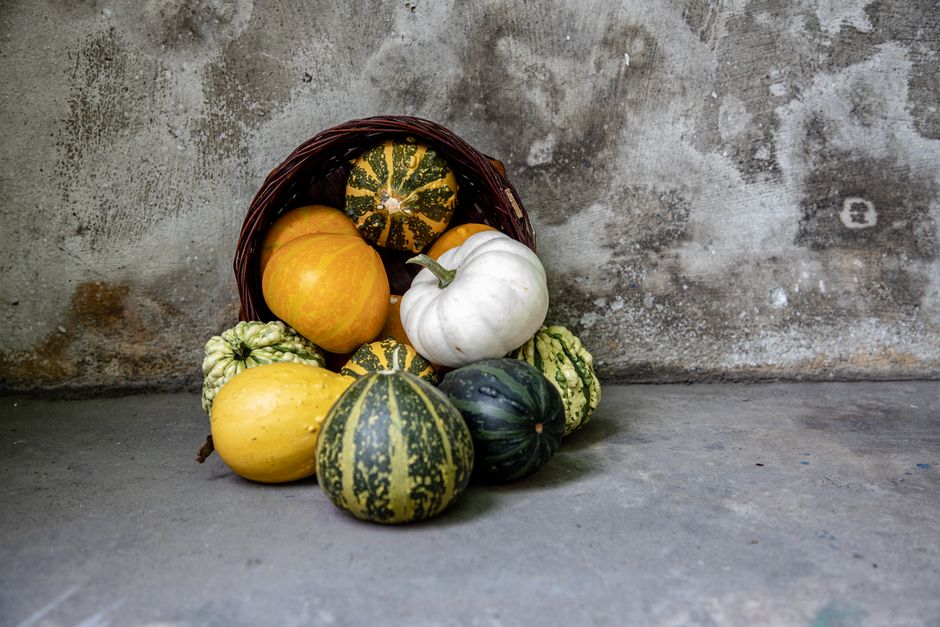
Edible squash and cooking pumpkins work in both chunky and smooth dishes. Choose firm specimens without soft, leaking or mouldy areas. Decorative gourds are not a substitute for edible varieties, so check that what you buy is intended for cooking. A large pumpkin is only useful if you have a realistic way to prepare and use it.
Prepare a stable cutting surface
Wash the outside before cutting. Put a non-slip mat or damp cloth beneath your chopping board and use a sharp, suitable knife. Create a flat surface so the squash sits securely, then cut it into manageable sections and scoop out the seeds. If the rind is too tough to cut comfortably, buy prepared pieces instead of forcing the knife.
For browned edges, cut the flesh into similar-sized pieces, toss lightly with oil and spread across a roasting tray with space between them. Cook until tender, turning as needed. For a softer result, simmer pieces in a covered pan with a little water, then drain and mash. Fold the mash into pasta sauce or serve beside beans, fish, eggs or another protein you enjoy.
Roots: use their different cooking speeds
Carrots, parsnips, beetroot and swede offer plenty of possibilities beyond a mixed roasting tray. Scrub them under running water and peel when the skin is tough or your recipe needs a smoother texture. Trim damaged areas from otherwise sound vegetables. Discard produce that is rotten, mouldy or slimy.
Cut size matters when combining roots. Dense pieces of swede may need longer than small carrot batons, so cut slower-cooking vegetables smaller or start them first. Test tenderness with a fork rather than assuming everything is ready because the edges look brown. Beetroot can colour neighbouring ingredients; cook it separately if you want their colours to stay distinct.
- Carrots: grate into a crunchy slaw, steam as a side or simmer into a tomato-based sauce.
- Parsnips: roast in wedges or mash with potatoes for a different flavour.
- Beetroot: cook until tender, then slice into a grain dish with a tangy dressing.
- Swede: cut into small cubes for a casserole or boil and mash until smooth.
Cabbage, kale and leeks: prepare before you cook
These vegetables can hold grit between their leaves, so careful preparation makes a difference. Remove damaged outer cabbage leaves, cut into sections and rinse as needed. Strip tough stems from mature kale and wash the leaves thoroughly. Split leeks lengthways and rinse between the layers, where soil often collects.
Thinly sliced cabbage cooks more quickly than thick wedges. Sauté it until it reaches the texture you like, or keep it raw for a crisp accompaniment to baked potatoes. Slice kale finely for quicker cooking and add it towards the end of a simmered dish. Cook leeks gently with a little oil and a splash of water, stirring so they soften without scorching.
If you dislike strong cabbage flavours, try a smaller amount cooked briefly and served with lemon or vinegar. For firmer wedges, allow more time and check the centre before serving. Changing the cut and cooking method can make a familiar vegetable feel quite different without needing a complicated recipe.
Apples and pears: match ripeness to the job
Firm apples and pears work well sliced into salads or eaten fresh. Softer, sound fruit suits cooking, although different varieties behave differently: some apple slices keep their shape while others collapse. Taste a small piece before deciding how much sweetness or acidity your dish needs.
For a simple pan of cooked fruit, remove the cores, chop the flesh and add a splash of water. Cover and cook gently, stirring until it reaches the texture you prefer. Add cinnamon or ginger if you like. Spoon over porridge or plain yoghurt, or serve beside savoury dishes where a little fruit provides a useful contrast.
Bruised fruit should be checked promptly and used while still sound, with damaged flesh removed. Do not treat mouldy or rotten fruit as something cooking will rescue. If you cannot use good fruit soon, prepare and freeze suitable portions for later cooking, labelled with the contents and date.
Turn separate ingredients into flexible meals
Give cooked vegetables a different role at the next meal. Roasted carrots can become a sandwich filling with hummus. Mashed squash can thicken a pasta sauce. Cooked cabbage can accompany an omelette, while softened leeks can be folded into a baked potato filling. Add the other ingredients your meal needs rather than expecting vegetables alone to do every job.
- Choose a base such as potatoes, rice, bread or pasta.
- Add a protein food such as beans, lentils, tofu, eggs, fish or meat.
- Use your prepared autumn produce for flavour and texture.
- Finish with herbs, spices, citrus, vinegar or a dressing that suits the dish.
If a health condition means you need to limit or adjust particular foods, ask your GP or a registered dietitian for guidance that fits your needs. A seasonal ingredient does not need to feature in your meals if it is unsuitable for you.
Store with the next meal in mind
Keep leafy vegetables and leeks refrigerated, following any packaging instructions. Store whole winter squash in a cool, dry place, then refrigerate it once cut. Check stored produce regularly and move anything that needs using to the front. Keep raw ingredients separate from raw meat and wash hands, boards and utensils during preparation.
Cool cooked food promptly, refrigerate it in covered containers and follow local food-safety guidance for storage and reheating. Freeze portions you will not use soon while they are still safe to freeze. Most of all, choose a manageable amount: a few ingredients that become enjoyable meals are more useful than a full vegetable drawer you struggle to empty.