Healthy eating over the festive season can make room for favourite foods, shared traditions and changes to your usual routine. You do not need to turn every celebration into a nutrition project. A practical approach is to keep everyday meals available, choose foods you enjoy and give yourself permission to eat without guilt. Think about the whole season, including shopping days, family visits and quiet evenings, rather than judging your eating by a single festive dinner.
Plan for the gaps between celebrations
Look at your calendar before shopping. Notice when you will eat at home and when someone else will provide a meal. A full fridge is not particularly useful if you will be away visiting relatives. Equally, evening parties do not remove the need for breakfast and lunch. Planning those ordinary meals can make the season easier to navigate.
Write a short list of familiar ingredients that can become several easy meals. Bread, eggs, beans, frozen vegetables and fruit can offer useful starting points. Choose foods you already know how to prepare. Keep the plan flexible enough for an unexpected invitation, a delayed journey or an evening when you simply want something quick.
Keep meals available on busy days
Skipping meals to save room for a party can mean arriving very hungry and finding it harder to choose what you want. Have your usual meals where possible. If a celebration meal is much later than your normal lunch, eat something beforehand instead of treating hunger as part of the occasion.
This does not require an elaborate menu. A sandwich with a filling you enjoy, soup with bread or suitable leftovers can be enough. On shopping days, decide where lunch will fit before leaving home. If you are travelling, bring food that you can transport and store appropriately, especially when arrival times are uncertain.
Use your normal routine as a starting point rather than a strict rule. Appetite and schedules vary. If you have a health condition that affects meal timing, follow the advice of your GP or qualified healthcare professional.
Choose what you actually want to eat
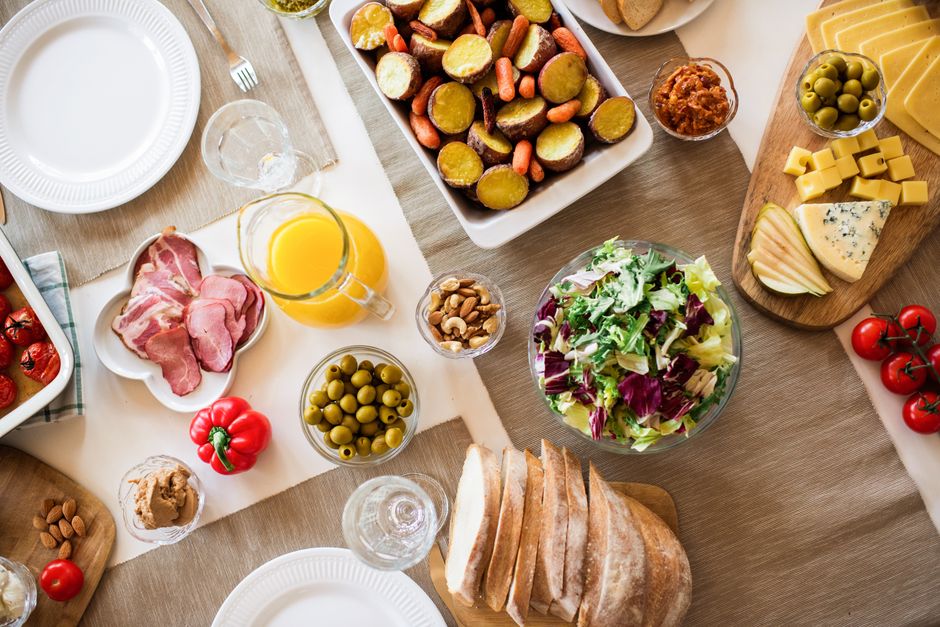
At a buffet, pause to see what is available before filling your plate. Pick dishes that appeal to you, including seasonal favourites you rarely have. You do not have to sample everything simply because it is on offer. Equally, you do not need to avoid a food you enjoy because it feels more indulgent than your everyday meals.
Start with an amount that seems comfortable, knowing you can have more if you want it. Where practical, sit down to eat rather than repeatedly picking from serving dishes while standing nearby. Give yourself time to enjoy the flavours and notice whether another helping would be satisfying.
Dessert can be part of the celebration without needing to be earned. Choose your favourite, share a portion if that suits you or save something for later. There is no requirement to taste every option or refuse them all.
Make hosting flexible for your guests
If you are hosting, variety can help guests put together a meal they enjoy. Alongside richer festive dishes, offer straightforward accompaniments such as vegetables, bread, rice or a bean dish. You do not need to replace every traditional recipe or announce which options you consider healthier.
Ask about allergies and dietary requirements before settling the menu. Keep ingredient packaging where helpful, and explain honestly if you cannot guarantee that a dish is free from an allergen. Let guests describe their requirements rather than assuming that removing a visible ingredient makes a dish suitable.
- Offer sauces and dressings separately when practical.
- Make water easy to find and provide appealing alcohol-free drinks.
- Let guests choose their own servings where possible.
- Accept a declined second helping without commenting on appetite or body size.
Respond to food offers kindly and clearly
Food can represent affection, tradition and considerable effort. That can make declining another serving feel uncomfortable. A brief response is often enough: thank the cook, say you enjoyed the meal and explain that you have had enough for now. You can appreciate someone’s generosity without eating beyond what feels comfortable.
If the offers continue, repeat your answer calmly. You do not owe anyone an explanation about your weight or eating habits. Asking to take a portion home can be an option if you would like it and can transport it safely. Saying yes to more because you enjoy it is also your choice.
Decide what you want to drink
Choose drinks deliberately instead of accepting every refill automatically. Keep water available during meals and gatherings. An alcohol-free drink can be a festive choice in its own right, whether you are driving, prefer the taste or simply do not want alcohol.
If you choose alcohol, arrange safe transport before the event. Water does not cancel its effects or make you safe to drive. If you are pregnant, taking medicines or managing a health condition, ask your GP or pharmacist for advice about alcohol, including whether you should avoid it altogether.
Make ordinary meals easy again
The days between gatherings do not need a corrective diet. Return to familiar meals and keep preparation manageable. A jacket potato with beans, pasta with a simple sauce or an omelette with vegetables can make a welcome change from cooking a large celebration meal.
Use suitable leftovers as ingredients rather than feeling obliged to recreate the entire dinner. Roasted vegetables might become a sandwich filling or part of a grain dish. Follow the storage and reheating instructions for the foods involved. Label stored portions so you can keep track of what needs using, and freeze suitable food if you will not use it soon.
Keep the conversation around food kind
Calling foods naughty or announcing that everyone must make up for dinner can put unnecessary pressure on the table. Talk about flavour, recipes and family traditions instead. Avoid commenting on how much another person eats, even when you intend it as praise.
If festive eating brings persistent anxiety, distress or urges to compensate through restriction or exercise, speak with your GP or a qualified professional experienced in eating concerns. Personal support can help you navigate difficulties that general eating tips cannot address.
Choose a few practical habits you can return to throughout the season: keep ordinary meals available, enjoy occasions that matter to you and respect your appetite. After a larger meal, the next meal can simply be another opportunity to eat something satisfying. Your routine can adapt to a celebration and still be there when you need it.