Whole grains can fit into meals you already enjoy, from toast and porridge to pasta and rice dishes. You do not need a collection of unfamiliar ingredients or a completely different way of eating. Understanding what makes a grain whole, and how its texture affects a dish, gives you a useful starting point. Choose something familiar first, learn how to prepare it, and explore other options as your confidence grows.
What makes a grain whole?
A whole grain contains the three main parts of the grain kernel: the bran, germ and endosperm. The grain can be intact, cracked, rolled or ground into flour. What matters is that these parts remain in their original proportions. Rolled oats and wholemeal flour therefore count even though they look very different from intact kernels.
Refining removes the bran and germ, leaving the endosperm. White flour and white rice are familiar examples. Whole and refined grains have different cooking characteristics, so a direct substitution may change a recipe. You can explore whole grains gradually without replacing every ingredient in your kitchen.
Get to know a few useful options
Start by thinking about what you like to eat. A soft bowl of porridge calls for a different grain from a chewy soup or a side dish with separate, fluffy grains. These everyday options offer several places to begin.
- Rolled oats: useful for porridge, baked dishes and savoury oat bowls.
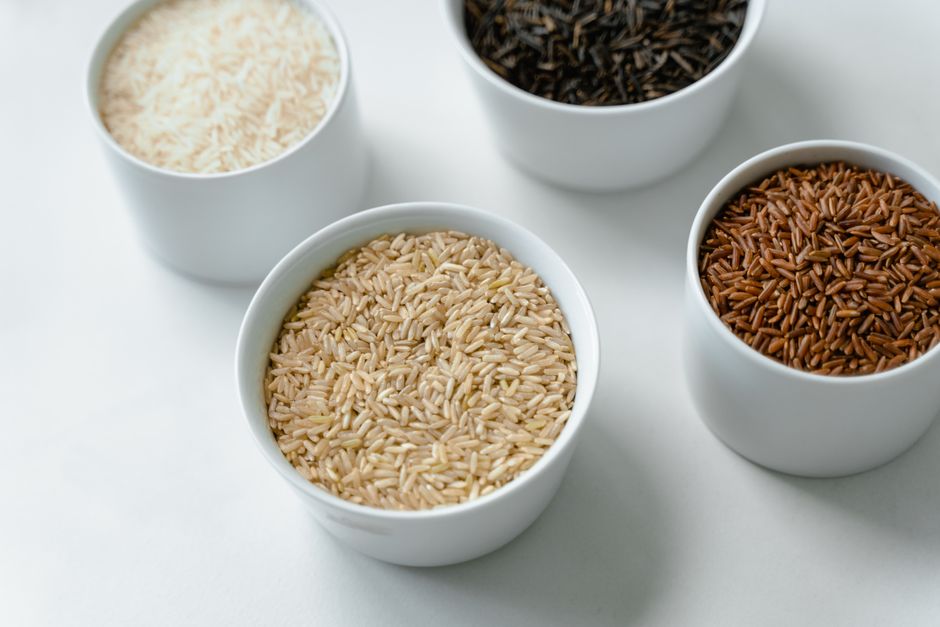
- Brown rice: a firmer-textured accompaniment to curries, stews and stir-fries.
- Wholewheat pasta: a familiar shape with a more noticeable wheat flavour and bite.
- Bulgur: cracked wheat that has been partially cooked and dried. Preparation varies with the size of the pieces.
- Hulled barley: a chewy wholegrain option for soups and sides. Pearled barley has had some outer layers removed.
- Quinoa and buckwheat: seeds commonly cooked and served like grains, offering different flavours and textures.
Match the grain to the meal
Choose softness for spoonable dishes
Oats are a straightforward option when you want a soft texture. Prepare them with water or milk according to the packet, then add toppings you enjoy. Fruit and nuts suit a sweet version, while cooked mushrooms and an egg can turn oats into a savoury meal. Adjust the liquid within the recipe to suit your preferred consistency.
Choose a firmer bite for hearty dishes
Brown rice and hulled barley work well when you want the grain to remain noticeable alongside other ingredients. Their preparation often takes longer than more processed alternatives. Check cooking instructions before starting the rest of dinner so the grain is ready when your other components are cooked.
Keep familiar meals familiar
Wholemeal toast and wholewheat pasta let you try whole grains without learning a new dish. Use a topping or sauce you already enjoy. If the texture feels too different, begin with a smaller serving alongside a familiar option. There is no need to make every change at the same time.
Understand the description on the packet
Colour alone cannot tell you whether a food is wholegrain. A dark loaf may get its colour from other ingredients. Likewise, multigrain means that several grains are present, but does not establish whether they are whole. Look for specific ingredient names such as wholemeal flour, wholewheat flour, wholegrain oats or brown rice.
Some foods combine whole and refined grains. Read the ingredient list together with the product description to understand what you are buying. For loose grains, words such as hulled, pearled, cracked and quick-cooking also help explain how the ingredient has been prepared and how it may behave in your pan.
Build a reliable cooking method
There is no single water ratio or cooking time for every grain. Variety, processing and cooking equipment all affect the result. Use the packet instructions as your starting point, especially when an ingredient is new to you. Once you have cooked it successfully, note any small adjustments you prefer.
- Prepare as directed. Sort or rinse the grain if the instructions call for it. Rinsing quinoa can help remove surface bitterness.
- Measure before cooking. Check whether the instructions use dry grain quantities and choose a pan with room for expansion.
- Follow the stated method. Some grains absorb their cooking water; others are cooked in excess water and drained.
- Check the texture. Near the end, taste a small cooled spoonful. Decide whether it needs more cooking.
- Finish as instructed. Drain or rest the grain as appropriate, then fluff or stir gently before serving.
If a grain cooked by absorption becomes dry before it is tender, add a little hot water and continue cooking. If it is too soft, use it in a dish where softness works and adjust your approach next time. Wholewheat pasta also benefits from tasting near the end of its stated cooking time.
Give the grain some flavour
Think of cooked grains as a base for other ingredients. Herbs, lemon juice, roasted vegetables and a dressing can bring a plain serving together. Consider texture as well as taste: something crisp or creamy can make a chewy grain more enjoyable. Add flavour in stages so you can taste and adjust.
Try brown rice with cooked mushrooms and parsley, or bulgur with cucumber, tomatoes and lemon. Serve quinoa alongside roasted vegetables, or stir a spoonful of pesto into barley. Add other foods you enjoy, such as beans, eggs, fish or tofu, to build a meal around your chosen grain.
Keep your cupboard practical
Store dry grains in sealed containers in a cool, dry place, following packet advice. If you transfer them into jars, keep the ingredient name and cooking instructions. Buy manageable amounts while you explore rather than collecting bags you may never open. Choose your next recipe around what you already have.
A little planning helps avoid awkward leftovers in dry packets. Remaining oats can become porridge, while a small amount of barley may suit a soup. Check the quantity before beginning a recipe. For cooked grains, follow storage and reheating instructions on the packaging or a trusted food safety resource.
Find an approach that suits you
Choose one grain and prepare it in a couple of different ways before deciding whether you like it. A texture that feels unappealing on its own may work well with a sauce or in a soup. Your preferences are useful information when choosing what to cook again.
If you have coeliac disease, food allergies or another health condition affecting your diet, ask your GP or a registered dietitian about suitable choices. For everyday cooking, keep the next step simple: choose a grain, pair it with familiar flavours, and follow its preparation instructions. A useful cupboard staple is one you enjoy eating and feel comfortable preparing.