A short daily walk is easier to arrange when it has a clear place in your day. You do not need a scenic route, a fitness target or a completely different schedule. You need a manageable way to leave what you are doing, walk for a little while and return without creating extra hassle.
Focus on the practical arrangements: choosing a reliable moment, keeping the route simple and having an alternative when plans change. The aim is a routine that fits ordinary days, including the untidy ones.
Find a moment when walking fits naturally
Look at the transitions already in your day. You might finish breakfast, return from the school run, close your laptop or put your lunch things away. A transition gives your walk a recognisable starting point without needing another complicated appointment.
Choose a moment when you usually have some control over your time. A lunchtime walk may sound appealing, but it will be difficult to repeat if your lunch break regularly disappears. An unglamorous gap that reliably exists is more useful than an ideal time that rarely does.
Write a simple sentence describing your plan: after putting lunch things away, you will put on your shoes and walk around the block. Keep it specific enough that you know when to start, while leaving room for a shorter outing if necessary.
Plan the return as well as the departure
If you have a call afterwards, choose a route that leaves time to settle back in. If you need to collect someone, avoid a route whose length depends on unpredictable crossings. A walk feels easier to repeat when you trust that it will end comfortably within the available gap.
Make the first version easy to arrange
Your starting plan should be small enough to fit a fairly busy day. That might mean walking to the end of your street and back, taking a brief loop around your building or spending a few minutes on a familiar level path. Choose what feels comfortable for your current abilities.
You can use a short time window if it helps, but there is no need to chase a particular distance or step count. At this stage, the useful question is whether the walk fits your life well enough to repeat.
Keep the initial plan steady while you learn how it works in practice. If getting outside feels rushed, shorten the route. If the timing repeatedly clashes with something else, move it. Treat these adjustments as information about your schedule.
Choose a default route with an easy return
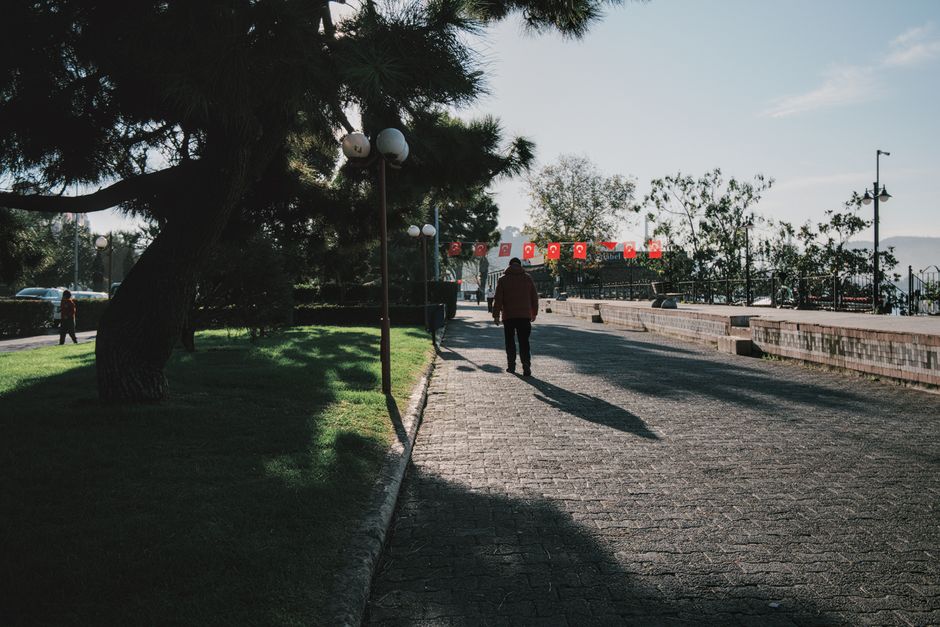
A familiar route removes the need to decide where to go each day. Look for somewhere accessible, with suitable surfaces and safe crossing points. A short loop can work well, but an out-and-back route lets you turn around whenever you need to.
Check practical details before making a route your default. Consider lighting, uneven paving, busy driveways, benches if you need a rest and whether the path feels comfortable at your chosen time. Choose a quieter crossing over a shorter route if that makes the outing easier to manage.
- Default route: the straightforward walk you can usually take.
- Short route: a smaller version for days when time is tight.
- Indoor option: a clear, suitable space for gentle walking when going outside is impractical.
Your indoor option should suit the space available. Avoid cluttered rooms, slippery floors and routes that require constant sharp turns. If there is no suitable space, reschedule or skip the walk rather than forcing an awkward alternative.
Reduce the effort of getting out the door
Notice what tends to delay you. Searching for keys, finding socks or wondering where your coat is can turn a brief walk into a project. Keep the items you normally need together in a convenient place, without obstructing doors or walkways.
Wear comfortable shoes that fit securely and suit the surface. Everyday clothing may be enough for a gentle outing; choose layers appropriate to the conditions. Take any mobility aid you normally use, and follow advice you have been given about using it.
If others depend on you, arrange suitable cover before leaving. Make sure children or anyone needing care are safely looked after, and do not leave cooking that needs supervision unattended. Choosing a different walking time may be the simplest solution.
Give busy days a clear fallback
Decide in advance what you will do when your usual slot disappears. For example, you could use the short route after your next natural break, or walk briefly before settling into an evening activity. Keep one backup moment rather than trying to negotiate with your schedule all day.
Distinguish between a crowded day and a day when walking is unsuitable. Illness, unsafe weather or a new injury may call for rest or professional advice. A daily intention should leave room for sensible decisions about your circumstances.
If you miss a walk, return to your usual plan at the next suitable opportunity. You do not need to double the next outing or catch up on lost distance. Making the next walk easy to begin is more useful than adding an obligation.
Keep the outing comfortable and attentive
Set off gently and choose a pace that feels manageable. You do not need to turn this routine into a brisk fitness session. Let the available time and your comfort guide the outing, and head back early if you need to.
Stay aware of traffic, other people and changes in the surface. If you use headphones, keep them from distracting you or masking important sounds. Pause somewhere safe before checking your phone instead of reading while crossing roads or navigating uneven ground.
Check conditions before leaving and change plans for ice, extreme heat, storms or poor visibility. If you have a health condition, an injury, are pregnant or are unsure about starting exercise, ask your GP or a qualified professional for advice suited to you. Stop if you feel unwell; seek urgent help for chest pain, fainting or severe breathlessness.
Adjust the arrangements as life changes
After trying your routine for a while, ask what made it easy and what got in the way. Perhaps the route works but your shoes are never ready. Perhaps the morning slot is dependable while the evening backup keeps colliding with dinner. Change the practical obstacle you can identify.
A simple note or calendar mark is enough if you enjoy tracking. Record whether the timing worked or what you would change, rather than turning each outing into a performance score. Skip tracking entirely if it adds another chore.
When the routine feels settled, you may want a little variety: reverse the loop, invite someone who is happy with your pace or occasionally take a different nearby path. Keep the familiar option available. The next walk can be as simple as putting on your shoes at the moment you have already chosen.