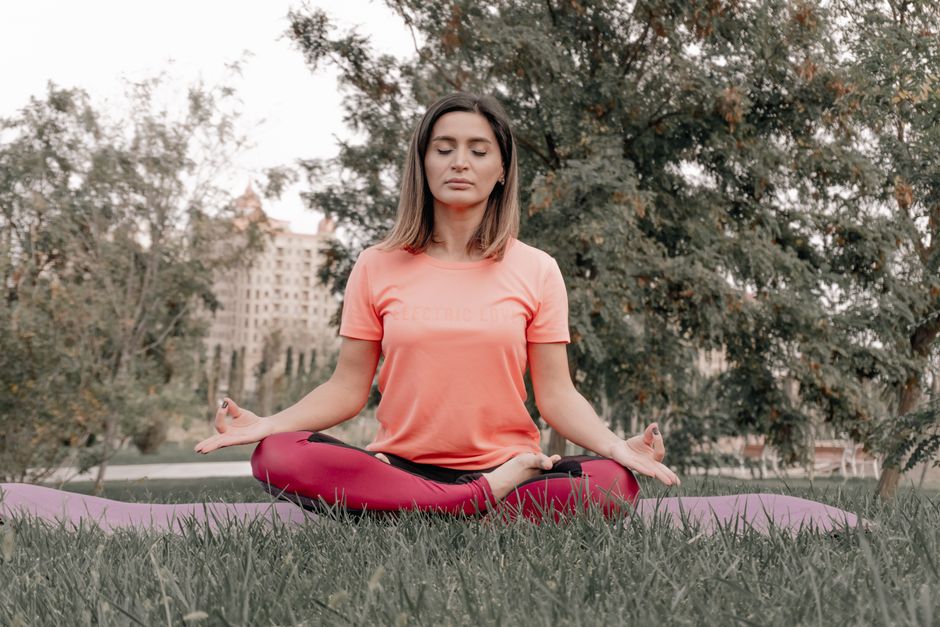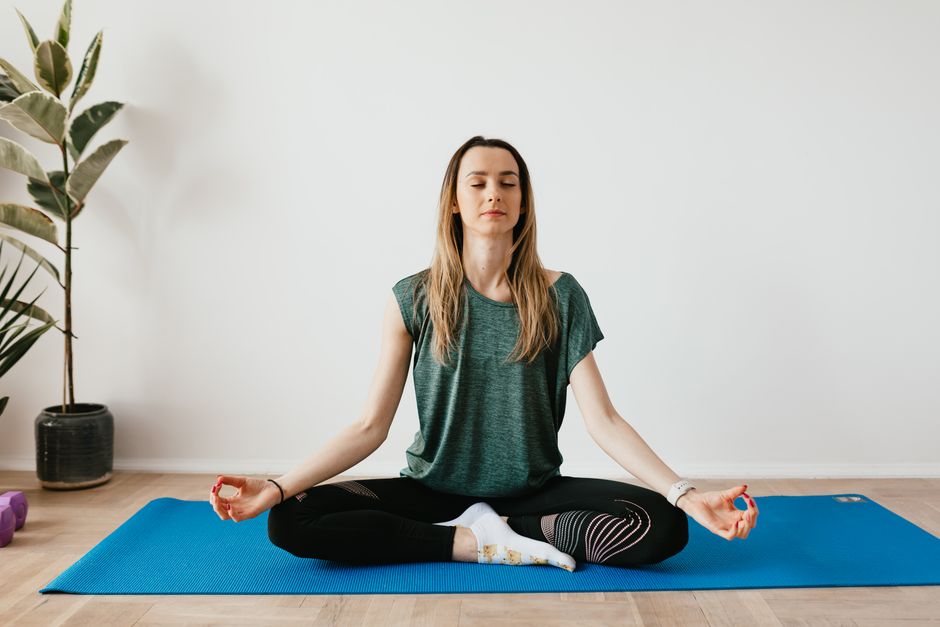
A breathing break gives you a simple task when everyday stress makes it difficult to pause. You do not need equipment, a silent room or a perfect technique. You can sit comfortably, notice your breathing and explore a gentle rhythm that feels easy. The aim is to make a little space before your next action, without turning relaxation into another thing you have to achieve.
Start when you are relatively settled so you can explore these instructions without pressure. Choose one exercise that appeals to you and leave the others for another time. You are free to stop whenever you wish.
Start with comfort
Choose a safe place where you can stop what you are doing. Sit with your back supported and your feet resting comfortably, or use another supported position that suits you. Rest your hands naturally. Keep your eyes open if you prefer, looking at something still nearby.
Let your shoulders and jaw rest without forcing them into position. Check that clothing around your chest and waist feels comfortable. You do not need to sit very straight, pull your stomach in or arrange yourself into a special pose.
Gentle matters more than deep. Avoid repeatedly taking the biggest breath you can. Do not force air out, hold your breath or compete with a timer. If you feel dizzy, tingly, breathless or uncomfortable, stop and return to your usual breathing. Focus on your surroundings or choose an ordinary activity instead.
Exercise one: notice your natural breathing
Begin by observing rather than changing anything. This is an option if counting feels distracting or if you find yourself trying too hard to follow a pattern.
- Settle into a comfortable position and look at something nearby.
- Notice one ordinary breath coming in and going out.
- Choose a small detail to follow, such as air moving near your nostrils or your clothing moving.
- Follow a few more breaths without making them bigger, slower or more regular.
- Finish by noticing your feet against the floor and looking around.
Your attention will probably wander. When you notice that, return to the next breath without starting over. You do not need to empty your mind. If watching your breathing feels unpleasant, notice the chair beneath you instead and let your breathing look after itself.
Exercise two: try an easy, even count
A quiet count gives you a simple structure to follow. Treat it as a flexible guide rather than a target your breathing must meet.
- Breathe in gently while silently counting to two or three, whichever feels natural.
- Breathe out gently using the same count.
- Continue for a few comfortable rounds without holding or pausing between breaths.
- Let go of the count and return to ordinary breathing.
Use a relaxed counting pace. If you need to gulp air, strain or rush the next breath, abandon the count. A shorter rhythm is a better choice than stretching each breath to follow instructions. Breathe through your nose if comfortable, but do not force this if your nose is blocked.
Exercise three: allow an unhurried out-breath
For another option, let your out-breath last slightly longer than your in-breath, only if this feels effortless. The difference can be small. You do not need to empty your lungs completely or make a long breathing sound.
- Take a comfortable breath in.
- Let the air leave gently, allowing a little more time if that suits you.
- Take the next breath whenever you naturally need it.
- Repeat briefly, then stop directing your breathing.
If numbers help, you could try two easy counts in and three out. Drop the numbers if they create pressure. There is no need to progress to longer counts or complete a set number of rounds. Comfort is your guide throughout.
Exercise four: use touch as a guide
This exercise gives you something concrete to notice without counting. Choose it only if resting a hand on your body feels comfortable.
- Place one hand lightly over your lower ribs or upper abdomen.
- Take an ordinary, gentle breath and notice any movement beneath your hand.
- Allow the area to settle as you breathe out.
- Repeat a few times without deliberately pushing your stomach out.
The movement may be subtle, and your chest may move too. You do not need to isolate one area or judge your breathing by how far your hand moves. Remove your hand or choose a different exercise if this makes you self-conscious.
Fit a brief practice into your day
Choose a familiar moment when your attention is free. A regular cue can be easier to remember than a separate appointment with yourself. Keep the practice short enough that it feels manageable.
- Before opening your inbox: settle into your chair and notice a few ordinary breaths.
- Between household tasks: put down what you are carrying and try a comfortable count.
- Before a conversation: pause briefly, then decide what you want to say.
- After arriving home: sit safely for a moment before starting the next task.
Avoid structured breathing exercises while driving, cycling, swimming, using machinery or doing anything that needs your full concentration. Wait until you have stopped safely. You do not need to practise in every stressful moment.
Make adjustments without judging yourself
If you keep checking whether you feel calmer
Give yourself a practical finishing point: a few comfortable breaths, then one useful next step. You might write down your next task or ask someone to clarify a deadline. You can finish even if your feelings have not changed.
If focusing inward makes you uneasy
Keep your eyes open and notice an object, the contact of your shoes with the floor or an ordinary sound nearby. Leave your breathing alone. Choosing an outward focus is a valid option, and breathing exercises do not have to be part of your routine.
If you forget to practise
Make the practice smaller rather than adding more reminders. Try a brief pause at one reliable point in your day. Missing a day does not create anything to catch up on, and you do not need to make the next practice longer.
Look beyond the breathing break
A pause does not resolve a conflict or remove an unreasonable workload. Afterwards, consider what the situation needs: clearer expectations, practical help, a rest or a conversation with someone you trust. Use the break as an opportunity to choose your next step.
If stress is persistent, distressing or interfering with daily life, speak with a GP or qualified mental health professional. Ask for individual guidance if you have a health condition, an injury, are pregnant or are unsure whether a technique is suitable. Follow any existing care plan rather than changing prescribed breathing advice.
Unexplained or worsening breathlessness needs medical advice; do not assume it is stress. Seek urgent medical help for severe breathing difficulty or chest pain. For ordinary practice, choose a gentle method, notice whether it feels comfortable and stop whenever you wish.