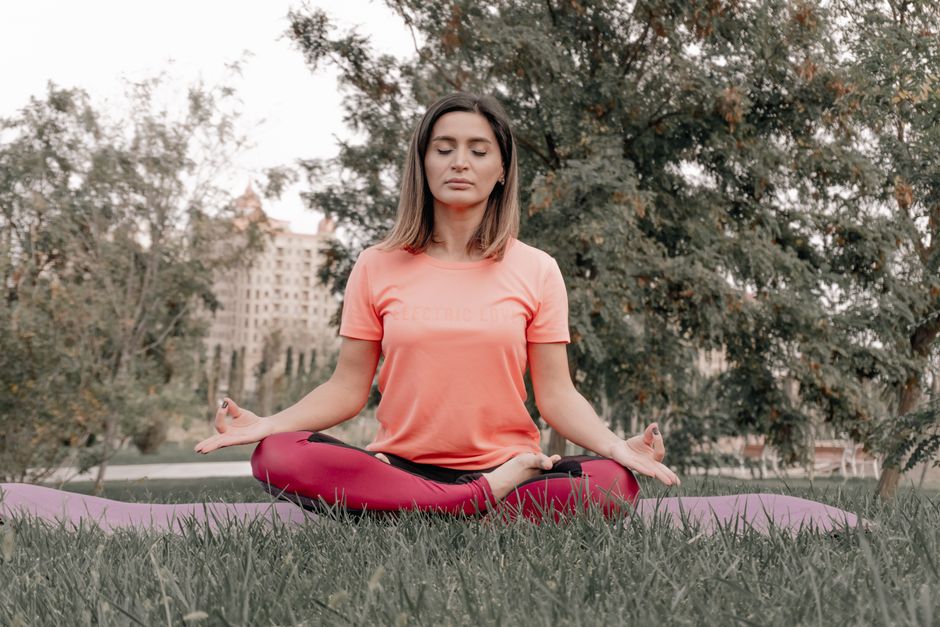
Summer heat can make ordinary days feel unexpectedly demanding. A crowded bus, a warm kitchen or a delayed appointment may leave you uncomfortable and short of patience. Staying calm and cool starts with making the day more manageable: fewer rushed journeys, easier household tasks and a clear place to retreat when the warmth becomes too much.
You do not need a perfect summer routine. A flexible plan that responds to the weather can help you avoid unnecessary discomfort. Focus on everyday decisions that reduce heat exposure and leave room to pause, while remembering that feeling unwell in hot weather needs attention rather than positive thinking.
Give a hot day a smaller to-do list
Before you begin, check the local forecast and any heat alerts. Think about where you will spend the warmest part of the day, including travel time. A short appointment can become a demanding outing if it involves waiting outside or several changes of transport.
Choose the tasks that genuinely need doing and postpone what can wait. Heavy cleaning, sorting a loft or carrying shopping home may be better moved to a cooler day. If work or caring responsibilities limit your choices, look for smaller adjustments, such as sharing errands or arranging a break somewhere cooler.
- Group essential errands around a convenient cool place to rest.
- Leave extra time so delays do not force you to hurry.
- Tell others early if plans need to become shorter or simpler.
- Keep a backup indoor option for outdoor commitments.
Reducing your expectations is a practical response to difficult conditions. An unfinished chore is usually easier to manage than a day spent pushing beyond your comfort.
Make cooling down easy to act on
Identify the coolest accessible place available to you before you need it. At home, this might be a shaded downstairs room. Elsewhere, it could be a library, community building or another public space that welcomes visitors. Check opening times and accessibility so your fallback plan is usable.
Keep everyday cooling supplies within reach: drinking water, a clean cloth and a change of light clothing. A cool shower or cool water on your skin can offer relief. Choose loose clothing that feels comfortable, and remove unnecessary layers when you are somewhere appropriate.
Shade windows that receive direct sun. Open windows when the outdoor air is cooler than the air indoors, if safe to do so; keep hotter outdoor air out when that is the better option. Avoid adding unnecessary heat from appliances. If your home stays uncomfortably hot, spending time somewhere cooler may be more useful than repeatedly rearranging the room.
Respond to irritability with a practical pause
When you notice yourself becoming impatient, briefly check your surroundings and immediate needs. Are you sitting in direct sun? Have you been standing in a warm queue? Would changing clothes, having a drink or moving somewhere cooler make the next task easier?
Use a simple sequence: stop what can safely wait, move to a cooler spot and decide what needs to happen next. Once you are physically comfortable, let your breathing settle naturally. There is no need to force deep breaths or turn the pause into another task to perform correctly.
Give other people a little context, too. Saying, “I need to cool down before we work this out,” can prevent a small disagreement from growing. If you are caring for children, offer clear choices such as a quiet indoor game or reading together in the coolest available room.
Do not assume dizziness, nausea or unusual weakness is simply stress. Cooling down and assessing how you feel should come before trying to carry on.
Remove friction from work and journeys
Heat can make an already awkward routine harder to tolerate. Prepare what you can while you feel comfortable: pack your bag, locate your travel information and decide which nonessential items can stay at home. A lighter load and a realistic departure time can make the journey less demanding.
At work, raise concerns about an overheated space with your manager. Ask about access to drinking water, cooler work areas, appropriate breaks or adjustments to heat-producing tasks. If your role involves physical work, follow workplace heat procedures and report symptoms promptly.
For appointments or social visits, explain any access needs in advance. Waiting somewhere shaded or indoors may require a little coordination. Never leave a child or someone who depends on you unattended in a parked vehicle, even for a brief errand.
Keep meals and drinks uncomplicated
Make drinking water easy to reach throughout the day. Take it with you when leaving home rather than relying on finding it later. If a health condition means you have been told to restrict fluids, ask your healthcare team what hot-weather adjustments are appropriate.
Choose familiar meals that require little time beside a hot cooker. Use what you already have and keep preparation simple. Follow normal food hygiene guidance, refrigerate perishable foods promptly and avoid leaving them sitting out in the warmth.
Limit alcohol during hot weather. You do not need a special supplement routine to prepare for an ordinary summer day. Ask a pharmacist before using rehydration products if you are unsure whether they suit your circumstances.
Make the evening easier on yourself
A warm evening does not need a packed schedule just because it is still light outside. Finish essential tasks early when possible, then choose something undemanding. Set out comfortable nightwear and keep your sleeping space as cool as you reasonably can.
If sharing a bedroom, talk through practical preferences before bedtime. One person may want lighter bedding while another prefers a separate sheet. Small agreements can prevent repeated adjustments from becoming a source of irritation.
After a difficult night, simplify the following day where possible. Avoid setting yourself a catch-up challenge. If tiredness makes driving or another task unsafe, change your plans and arrange help.
Know when comfort measures are not enough
Heat exhaustion can include headache, dizziness, nausea, heavy sweating and marked tiredness. Move to a cool place, remove unnecessary clothing and cool the skin with water. Offer cool water to someone who is fully alert and able to swallow safely. Stay with them and get urgent medical advice if symptoms are not improving or you are unsure what to do.
Confusion, collapse, seizures or loss of consciousness in the heat require emergency help. Call your local emergency number immediately and begin cooling the person while following the call handler’s instructions. Do not give drinks to someone who is confused or unconscious.
If you are pregnant, have a health condition or take regular medicines, ask your GP or pharmacist for individual hot-weather advice. Do not stop prescribed medicines yourself. Arrange check-ins with anyone who may need help keeping cool or reaching a safer place.
A manageable hot day often comes down to a few decisions made early: lighten the schedule, identify somewhere cool and ask for help when needed. Give yourself permission to change the plan as conditions change.