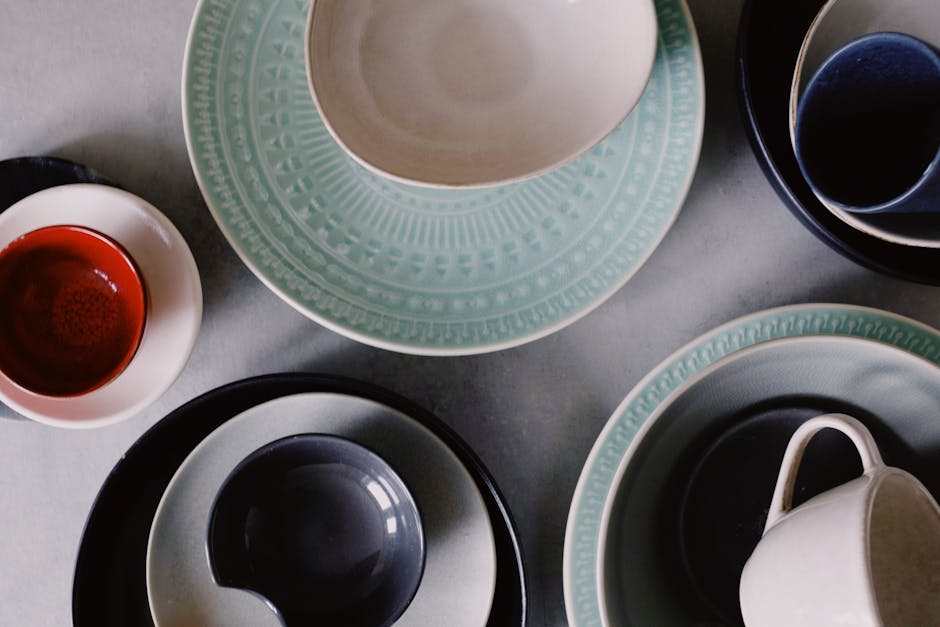
Pasta Bowl Sizes for Meal Prep: What Actually Matters
Here is a common assumption worth examining: that bowl size is a matter of personal preference, not function. In practice, the volume, depth, and material of your pasta bowls affect portion accuracy, reheating consistency, and how long your dishware survives daily use cycles. Treating these as cosmetic details typically produces consistent and avoidable problems.
The difference between a 16 oz shallow bowl and a 22 oz rimmed deep plate is not aesthetic. It changes how much food you serve yourself before consciously deciding on a portion, how evenly food heats in a microwave, and whether your bowls chip within six months or survive several years of daily washing. For anyone running a structured meal prep system, those differences compound across weeks.
This article provides general product and kitchen information only and does not constitute nutritional or medical advice. Consult a registered dietitian for personalized dietary guidance.
The “Any Bowl Will Do” Assumption Is the First Mistake
Most people choose bowls based on how they look on a store shelf or in a product photo. Capacity, wall thickness, and thermal behavior get ignored entirely. For occasional use, that approach typically works without consequence. For meal prep — where the same bowls cycle through the microwave, dishwasher, and refrigerator four to seven times a week — it creates compounding problems that are easy to prevent with a few specific decisions upfront.
The most significant of those decisions is volume. A bowl that is too small forces you to either underserve the meal or use a second vessel. A bowl that is too large distorts your perception of portion size in ways that research has generally found to be consistent and predictable, not random.
How Bowl Volume Affects How Much You Eat
A standard cooked pasta serving — roughly 1 cup, approximately 200 grams before sauce — fills a 16 oz bowl completely. Your brain registers a full bowl and reads it as a full meal. In a 22 oz rimmed bowl, that same serving occupies about two-thirds of the surface area. Studies from Cornell University’s Food and Brand Lab have generally found that larger dishware increases self-serve food consumption by 16 to 31 percent, because an underfilled vessel prompts people to add more before they have consciously evaluated whether they need it.
For anyone managing caloric targets through meal prep, that is a meaningful variable — not just the recipe itself. The correct approach is not to use the smallest bowl you own. It is to use a bowl proportionate to your planned serving. For most complete meal-prep servings (protein plus carbohydrate plus vegetables), that range is 20 to 24 oz. A 22 oz capacity with a wide rimmed design sits precisely in that range.
Why Rimmed Deep Plates Reheat More Evenly
A rimmed deep plate — the format typically marketed as a pasta bowl — combines a flat center base with shallow angled sides, usually 1.5 to 2.5 inches high. This geometry matters for microwave reheating in a specific way. A traditional deep soup bowl with steep walls creates uneven heat distribution: the center stays cold while the outer edges and walls overheat. A rimmed plate with a wider, shallower base exposes more food surface area to microwave energy and produces more consistent heat across the full serving.
For meal prep, you are typically reheating food in 90-second to 3-minute microwave cycles from refrigerated temperature. Uniformity in that range affects both food quality and, in the case of proteins and cooked grains, food safety. Cold spots in reheated chicken are not just unpleasant. The 9.1-inch diameter on the 22 oz ceramic pasta bowls set of 4 reflects a design priority toward this wider, shallower geometry rather than the narrower tall-sided bowl format.
The Chip Problem No One Mentions at Purchase
Ceramic bowls fail most predictably at the rim. Thin-glaze ceramics chip within months of daily use when stacked or knocked against other dishes during washing or storage. Once a rim chips, the exposed clay body is porous — it harbors bacteria and resists thorough cleaning. A chip at any food-contact surface is typically grounds to replace the piece entirely.
Higher-fired ceramics, manufactured at temperatures above 2200°F, are generally denser and more chip-resistant than lower-fired alternatives. The glaze quality matters as much as the clay — look for glaze that extends fully under the rim rather than stopping at the interior edge. This is not a spec that product listings typically advertise, which is why user reviews over a period of 12 or more months are a more reliable indicator of real chip resistance than manufacturer claims alone.
Ceramic vs. Melamine vs. Stoneware: A Direct Comparison
Three materials dominate the everyday bowl market. Treating them as interchangeable is the second most common purchasing mistake, after ignoring volume entirely.
| Material | Microwave Safe | Oven Safe | Dishwasher Safe | Impact Resistance | Set of 4 Price |
|---|---|---|---|---|---|
| Standard Ceramic | Yes | Yes (to ~500°F) | Yes | Moderate | $25–$45 |
| Melamine | No | No | Yes (top rack only) | High | $15–$30 |
| Stoneware | Yes | Yes (to ~450°F) | Yes | High | $40–$80 |
| Bone China | Yes (low power only) | No | Yes (gentle cycle) | Low | $50–$120 |
| Tempered Glass | Yes | Yes (to ~425°F) | Yes | Moderate | $25–$50 |
When Standard Ceramic Is the Right Choice
Ceramic is the correct material for meal prep bowls because it covers the complete daily workflow: refrigerator to microwave to table to dishwasher. Melamine eliminates the microwave step entirely — it cannot be safely microwaved and most manufacturers explicitly prohibit it. Bone china is too fragile for daily dishwasher cycling at high heat. Stoneware — including Le Creuset Stoneware Bowls ($70–$100 for four) and Emile Henry pieces ($60–$90 per set) — matches ceramic’s functional profile but at two to three times the cost for comparable daily-use performance. The functional difference between premium stoneware and quality ceramic for a meal prep workflow is modest. The cost difference is not.
When Ceramic Is the Wrong Material
Skip ceramic if dishes get dropped regularly. Ceramic hitting a tile floor typically breaks — melamine does not. For households with young children, outdoor dining, or any context where impact resistance outweighs microwave compatibility, the Zak Designs or Preserve brand melamine sets at $15–$25 are the practical choice. The tradeoff is losing microwave and oven compatibility, which for meal prep is a significant limitation. Match the material to the actual usage pattern, not the one with better specs on paper.
How to Build a Functional Meal Prep Dinnerware Stack
You do not need matched sets of 12 or coordinated collections. You need a targeted combination of pieces that covers every meal type without redundancy or gaps. Here is the practical stack for a household of two to four people running weekly meal prep:
- Main course bowls, 22 oz rimmed — handles pasta, grain bowls, soups, stews, and hearty composed salads. Four bowls covers a complete household meal without requiring a mid-week dishwasher run between uses. Fewer than four means you are washing bowls between every meal prep cycle.
- Salad and appetizer plates, 8 inch — for side salads, dessert service, cheese courses, and light lunches. The embossed 8-inch white ceramic salad plates at $29.95 for a set of four are scratch-resistant and chip-resistant for daily metal utensil use, with a 4.6/5 rating from 464 reviews — a sample size large enough to reflect real long-term performance rather than first-impression ratings.
- Large dinner plates, 10 to 11 inch — for proteins served flat, grain platters, or any meal that needs horizontal space rather than depth. Standard ceramic or porcelain in this range runs $25–$50 for four and completes the functional stack without overlap with the 22 oz bowls.
- One communal serving bowl, 48 oz or larger — keeps food warm at the table longer than transferring directly to individual bowls, reduces kitchen trips during meals, and handles batch-cooked grains or salads that serve from a shared vessel.
- Small ramekins or dipping bowls, 3 to 4 oz — for portioning high-calorie additions like dressings, tahini, peanut butter, and olive oil. Systematically underused in most kitchens, but critical for anyone tracking macros or managing caloric density in prepared meals.
What to avoid: bundle sets of 12 or more sold at a per-piece discount. In practice, most households cycle through 6 to 8 pieces per meal and rarely use more than two sets of any one piece simultaneously. Buying 12 bowls typically means 8 of them occupy cabinet space for years. Fewer pieces at higher durability is consistently the better investment for daily-use meal prep dishware.
What “Oven Safe” and “Microwave Safe” Certifications Actually Cover
Can You Move a Ceramic Bowl Directly from Freezer to Oven?
Typically, no. “Oven safe” indicates the bowl withstands sustained oven temperatures — manufacturers generally rate standard ceramic to 450–500°F — when the temperature transition is gradual. Thermal shock, moving a frozen or very cold bowl directly into a preheated oven, can crack ceramic even when the base material carries an oven-safe rating. Manufacturers generally recommend allowing refrigerated or frozen bowls to reach room temperature before placing them in the oven. For meal preppers who freeze portioned meals and plan to reheat them in the oven rather than the microwave, this distinction is worth confirming in the specific product’s care instructions rather than assuming from the marketing label.
What Does “Microwave Safe” Actually Cover?
It means the base ceramic material will not crack, arc, or release harmful compounds under standard microwave power levels. It does not mean the bowl surface stays cool — ceramic retains heat, and bowl surfaces can reach temperatures that cause burns after extended microwave cycles. It also does not cover metallic glaze elements. Gold or silver decorative rim glazes are not microwave-safe regardless of the base material’s certification. Always verify that both the clay body and the specific glaze are cleared for microwave use before heating a bowl for the first time, particularly with decorative or colored glazes.
Does Dishwasher Safe Mean Anything Long-Term?
Not always. In marketing language, “dishwasher safe” typically confirms the bowl survives a single cycle without damage — not that the glaze withstands 500 cycles at high heat with aggressive detergents. Some ceramic glazes fade, craze, or develop micro-surface cracks over time under repeated high-heat dishwasher exposure. For bowls used daily over multiple years, the most reliable durability indicator is buyer reviews from people who have owned the product for 12 or more months. Short review windows do not capture glaze degradation, which tends to appear gradually between months 6 and 18 of regular use.
When to Skip Ceramic Pasta Bowls Entirely
If your household regularly drops dishes, includes young children, or uses bowls outdoors, buy melamine or stainless steel instead of ceramic.
Ceramic breaks on floor impact. The even-heating and oven-compatibility advantages are irrelevant if the bowl is in pieces on the kitchen tile. Oggi, Zak Designs, and Preserve all produce BPA-free melamine sets at $15–$25 that survive household impact without food safety compromise. The material choice should follow your actual usage context — not the material with the most impressive spec sheet.
Matching Bowl Format to Specific Meal Types
For Pasta, Grain Bowls, and Hearty Soups
The 22 oz rimmed deep plate is the correct format for main-course meal prep. That volume holds a complete serving of pasta with sauce — approximately 350 to 400 grams — without overflow, while the wide 9.1-inch diameter allows even distribution of toppings and proteins. You are not eating from a narrow vessel where ingredients pile vertically and the dish cools unevenly. The flat base with rimmed sides keeps the meal accessible and visually presentable, which matters when you are eating the same prepared meal three days in a row.
For comparison, Sweese’s model 108.001 porcelain bowls carry a 36 oz capacity at $38–$45 for a set of four. If you are managing portions carefully, a 36 oz bowl makes a 350-gram serving look sparse, triggering the same visual underfill problem described earlier. The 22 oz format is more appropriate for controlled meal prep portions, and at $32.95 for four bowls it sits at a price point where you can replace pieces without treating them as fragile investments.
For Side Salads, Appetizers, and Desserts
An 8-inch plate is the standard for salads served as sides, first-course appetizers, or dessert platings. The most functionally important spec for daily use is scratch resistance. Metal utensils on an 8-inch salad plate happen at every meal, and a glaze that scratches easily becomes visually degraded within a year. The embossed surface texture on quality white ceramic salad plates provides a secondary advantage: the raised pattern conceals minor surface wear better than flat-glaze alternatives, so the plates maintain a presentable appearance through extended daily use. A 4.6/5 rating from 464 buyers across this plate format reflects consistent performance over a meaningful user base — not a handful of first-week impressions.
The Specific Recommendation
For a two-person household running weekly meal prep, start with the 22 oz rimmed ceramic pasta bowls for main courses and the 8-inch ceramic salad plates for sides. Add one set of 10 to 11-inch dinner plates for protein-focused meals. Total investment under $100 covers the complete microwave-to-oven-to-dishwasher workflow without gaps or redundancy. Ceramic is the right material for this pattern — melamine eliminates microwave use, premium stoneware costs two to three times as much for comparable daily performance, and bone china is too fragile for the cycling frequency meal prep demands.
This article is for informational purposes only and does not constitute nutritional or medical advice. Consult a registered dietitian for personalized dietary guidance.