Most people buy autumn produce because they feel obligated. “It’s fall, I should eat a pumpkin.” Then they roast it, it tastes like wet cardboard, and they wonder why anyone bothers. The problem isn’t the food. It’s that you’re buying the wrong stuff and cooking it wrong.
Here’s the truth: autumn has some of the most nutrient-dense, flavorful produce of the entire year. But you have to know what to look for and how to handle it. This isn’t a recipe blog. This is a straight-up guide to the best autumn foods that actually deliver on taste and nutrition, plus the mistakes that ruin them.
What Makes Autumn Produce Different From Summer’s (And Why Most People Get It Wrong)
Summer produce is easy. Tomatoes, peaches, corn — they taste great raw. Autumn produce is the opposite. Most of it needs heat to unlock flavor. That’s the first mistake people make.
Autumn vegetables store energy as complex carbohydrates and starches. Your body can’t break those down efficiently without cooking. Neither can your taste buds. A raw butternut squash tastes like crunchy nothing. Roast it at 400°F for 35 minutes and suddenly it’s sweet, caramelized, and actually edible.
Seasonal eating solves a real problem: produce shipped from other hemispheres loses nutritional value during transport. A January tomato from a greenhouse has about 40% less vitamin C than a field-ripened August tomato. Autumn foods grown locally and eaten in season have higher antioxidant levels because they weren’t picked weeks early.
The Sugar Trap
Here’s the second mistake: people assume “healthy autumn food” means bland. So they drench everything in maple syrup or brown sugar to make it palatable. You don’t need to. A properly roasted sweet potato at 425°F develops natural sugars through caramelization. The Maillard reaction — browning — creates flavor compounds that taste sweet without added sugar.
If you’re adding sugar to autumn vegetables, you’re either cooking them wrong or buying the wrong variety.
Storage Matters More Than You Think
Autumn produce stores differently. Hard squash and root vegetables can sit in a cool, dark place for weeks. Leafy greens like kale and Brussels sprouts need refrigeration and lose nutrients after 5-7 days. Buying a week’s worth of kale and letting it sit in the fridge until it goes limp is a waste of money and nutrition.
Buy hard vegetables in bulk. Buy greens twice a week.
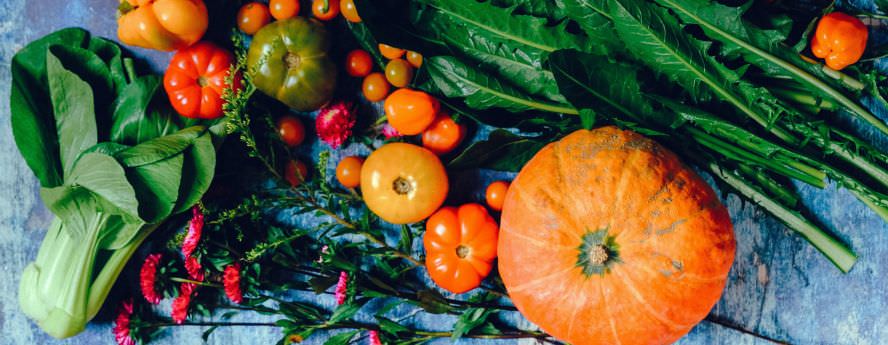
9 Autumn Foods That Actually Deliver (And How Not To Ruin Them)
These aren’t ranked by nutrition — they’re all good. They’re ranked by how easy they are to cook well. If you mess up the first one, you’re doing it wrong.
| Food | Best Cooking Method | Key Nutrient | Common Mistake |
|---|---|---|---|
| Butternut squash | Roast at 400°F, 35 min, skin on | Vitamin A (457% DV per cup) | Peeling before roasting (wastes time and flesh) |
| Brussels sprouts | Halved, tossed in oil, 425°F for 20 min | Vitamin K (195% DV per cup) | Boiling them (turns them into sulfur bombs) |
| Sweet potatoes | Baked whole at 425°F for 45 min | Beta-carotene (400% DV per medium potato) | Poking holes (unnecessary, dries them out) |
| Kale | Massaged with olive oil, then roasted at 350°F for 10 min | Vitamin C (134% DV per cup) | Eating it raw without massaging (tough and bitter) |
| Pomegranate | Eaten raw, seeds removed | Antioxidants (punicalagins) | Buying pre-seeded containers (3x the price, less fresh) |
| Pumpkin | Roasted puree, not the jack-o’-lantern kind | Fiber (3g per cup) | Using carving pumpkins for cooking (they’re watery and bland) |
| Apples | Eaten raw or baked with cinnamon | Quercetin (antioxidant) | Buying Red Delicious (they’re mealy and tasteless) |
| Beetroot | Roasted whole at 400°F for 50 min | Folate (37% DV per cup) | Peeling before roasting (loses color and nutrients) |
| Persimmon | Eaten raw when soft (Hachiya) or firm (Fuyu) | Vitamin A (55% DV per fruit) | Eating an unripe Hachiya (mouth-puckering tannins) |
The Biggest Mistake People Make With Autumn Vegetables (And How To Fix It)
Here it is, plain and simple: people undercook autumn vegetables. They’re afraid of burning them, so they pull them out when they’re still pale and crunchy. That’s not roasted. That’s warmed.
Autumn vegetables need color. They need browning. That brown edge on a Brussels sprout isn’t burnt — it’s caramelized sugar. It’s flavor. A pale Brussels sprout tastes like steamed cabbage. A dark brown one tastes like roasted nuts.
The Temperature Rule
Most autumn vegetables need 400°F or higher. Lower temperatures steam them instead of roasting them. Steaming releases sulfur compounds in cruciferous vegetables like Brussels sprouts and kale. That’s why boiled Brussels sprouts smell like a wet gym sock.
If your kitchen fills with a sulfur smell when cooking autumn vegetables, you’re cooking at too low a temperature or with too much moisture. Dry heat at high temperature fixes this.
Oil Quantity
People use either too little oil (vegetables stick and burn) or too much (they steam in oil and turn greasy). The rule: 1 tablespoon of oil per pound of vegetables. Toss thoroughly. Every surface should be coated, but no pooling at the bottom of the pan.
Use a high-smoke-point oil like avocado oil (520°F smoke point) or grapeseed oil (420°F). Olive oil works at 400°F but burns above that.
When NOT To Buy Autumn Produce (And What To Buy Instead)
Not every autumn food is worth your money. Some are overhyped, overpriced, or nutritionally disappointing. Here’s what to skip.
Skip: Acorn Squash
It looks cute. It tastes mediocre. Acorn squash has less beta-carotene than butternut squash, less fiber, and a tougher skin that’s annoying to peel. The edible portion per squash is about 40% less than butternut for the same price. Buy butternut instead.
Skip: Pre-Cut Pumpkin Puree (Canned)
Most canned pumpkin is actually a mix of different squash varieties, not real pumpkin. It’s fine for pies. But if you want actual pumpkin nutrition — higher fiber, more vitamin A — buy a sugar pumpkin (the small ones, 2-4 pounds) and roast it yourself. It takes 45 minutes and tastes noticeably better.
Skip: Celery Root (Celeriac)
It’s trendy. It’s also a pain to peel, has a muddy flavor that requires heavy seasoning, and provides negligible nutrition compared to other root vegetables. One cup has only 2g of fiber and 9% DV of vitamin C. A sweet potato has 4g fiber and 35% DV of vitamin C. Easy choice.
Buy Instead: Parsnips
Parsnips look like white carrots but taste sweeter when roasted. They’re cheap — usually under $2 per pound — and have 5g of fiber per cup. Roast them at 425°F with a little honey and thyme. They caramelize beautifully.
How To Shop For Autumn Produce Without Wasting Money
Autumn produce has a bad reputation for being expensive. It doesn’t have to be. The trick is knowing what to buy whole versus pre-cut.
Whole butternut squash: $1.50 per pound. Pre-cut cubes: $4.50 per pound. That’s 3x the price for something that takes 30 seconds to peel. Learn to peel a butternut squash. Cut off both ends, stand it upright, slice down with a sharp knife. Done.
Whole pomegranates: $2 each. Pre-seeded containers: $6 for the same amount. Plus, the seeds in containers are often bruised and leaking juice. Buy whole. Cut in half, hold over a bowl cut-side down, whack the skin with a wooden spoon. Seeds fall out in 30 seconds.
Whole kale bunches: $2.50. Pre-chopped bags: $4. The pre-chopped stuff includes tough stems you’ll pick out anyway. Buy whole and chop yourself.
The Farmer’s Market Advantage
Farmer’s markets in autumn are where the serious deals are. Vendors are trying to clear inventory before frost kills everything. Go in the last hour before closing. You can negotiate. I’ve bought 5 pounds of apples for $5 at 4:30 PM on a Sunday in late October. Try that at a grocery store.
Also: buy ugly produce. Knobby carrots, oddly shaped squash — they taste identical but cost half as much because nobody wants to look at them. They don’t care how they look. Neither should you.
Three Autumn Foods That Are Overrated (And What To Eat Instead)
Let’s be direct about this. Some autumn foods get praised because they’re photogenic, not because they’re good.
1. Delicata squash. Yes, you can eat the skin. Yes, it’s pretty. It also has half the beta-carotene of butternut squash and a watery texture that doesn’t hold up to roasting. Eat it if you want, but don’t pretend it’s a nutrition powerhouse.
2. Cranberries. Fresh cranberries are mouth-puckeringly sour and require massive amounts of sugar to become edible. A cup of fresh cranberries has 4g of fiber but also needs 1/2 cup of sugar to taste like anything. That’s 100g of sugar per serving. Dried cranberries have added sugar too. Skip them. Eat pomegranate seeds instead — naturally sweet, no added sugar, more antioxidants.
3. Spaghetti squash. The texture is stringy. The flavor is nonexistent. People use it as a pasta substitute and then drown it in sauce to make it edible. If you want a low-carb vegetable, eat roasted cauliflower. It has more flavor, more fiber, and doesn’t fall apart into wet strings.
Here’s the bottom line: autumn produce is only as good as how you buy it and cook it. Buy whole, roast hot, don’t add sugar, and skip the Instagram-famous vegetables that taste like nothing. Stick to butternut squash, Brussels sprouts, sweet potatoes, kale, pomegranates, parsnips, beets, apples, and persimmons. Everything else is optional.
Medical Disclaimer: This content is for informational purposes only and does not constitute medical advice. Always consult a qualified healthcare professional before making health-related decisions.