
The supplement aisle is a graveyard of good intentions. You walk in looking for energy, better sleep, or a stronger immune system. You walk out with a $40 bottle of pills that does nothing you can measure. I’ve spent years sorting through the noise, and the truth is simple: most supplements fail because they solve problems you don’t have.
This article is not a list of “top-rated” products from Amazon. It’s a breakdown of the five supplements with the strongest evidence for correcting actual, measurable deficiencies. If you don’t have the deficiency, skip the pill.
The Problem With Multivitamins: A Shotgun Approach to Nothing
A multivitamin is like throwing 25 darts at a dartboard while blindfolded. One of them might hit something useful. Most of them hit the floor. The doses are too low to fix a real deficiency, and the ingredients are often cheap forms your body barely absorbs.
Take magnesium oxide, for example. It’s the most common form in drugstore multis because it’s cheap and compact. But your gut absorbs only about 4% of it. You’re literally flushing money down the toilet. Same story with cyanocobalamin (a synthetic B12) and folic acid (synthetic folate). They work for some people, but if you have a common MTHFR gene variant—roughly 40% of the population—your body struggles to convert them into active forms.
So the first rule of supplements: fix the deficiency, not the fantasy. If your bloodwork shows low vitamin D, take vitamin D. If you don’t eat fish, take omega-3. If you’re vegan, take B12. Everything else is noise.
Why “Kitchen Sink” Formulas Fail
Centrum Silver, One A Day Men’s, Garden of Life Vitamin Code—they all share the same flaw. They include 20+ ingredients at 10-50% of the RDA, which is enough to prevent scurvy but not enough to correct a deficiency or produce a noticeable effect. You don’t need 20 things. You need 3 things at the right dose.
Vitamin D3: The One Supplement Most People Actually Need

If you work indoors, live above the 37th parallel, or have darker skin, you are probably deficient in vitamin D. The Endocrine Society defines deficiency as blood levels below 20 ng/mL, but many functional doctors push for 30-50 ng/mL. The problem: food sources are weak, and sun exposure is unreliable for most people.
Here’s what works: Vitamin D3 (cholecalciferol) at 2,000-5,000 IU daily, taken with a meal containing fat. D3 is roughly 87% more effective at raising blood levels than D2 (ergocalciferol), which is the plant-based form often found in cheap multis and prescription D2 capsules.
- Thorne Vitamin D-5000: 5,000 IU per capsule, olive oil carrier, NSF Certified for Sport. Around $16 for 60 capsules.
- NOW Foods Vitamin D3 5,000 IU: Budget pick. $9 for 120 softgels. Works fine, but the carrier oil is soybean oil, which some people avoid.
- Sports Research Vitamin D3 + K2: Adds 100 mcg of vitamin K2 (as MK-7) to direct calcium to bones instead of arteries. $22 for 60 softgels. Good if you’re taking higher doses (5,000 IU+ daily).
My pick: If you’re just starting, get the NOW Foods D3. Test your blood after 8 weeks. If you’re still below 30 ng/mL, bump to 5,000 IU daily or switch to Thorne. If you’re taking 5,000 IU or more long-term, add K2. Period.
Magnesium Glycinate: The Sleep and Muscle Fix Most Multis Ignore
Magnesium is involved in over 300 enzymatic reactions in the body. Muscle contraction, nerve signaling, blood pressure regulation, sleep quality—all of it needs magnesium. Yet roughly 50% of Americans don’t get the RDA from food, and the form in most multis (magnesium oxide) is nearly useless.
The form matters more than the dose. Magnesium glycinate is magnesium bound to glycine, an amino acid that itself has calming effects on the nervous system. It’s the best form for sleep and anxiety support. Magnesium citrate is cheaper and absorbs okay, but it pulls water into the gut, which means loose stools for many people. Magnesium threonate is interesting for cognitive benefits but costs 3-4x more and the evidence is thin.
| Form | Absorption | Best For | Common Side Effect | Typical Price |
|---|---|---|---|---|
| Magnesium oxide | ~4% | Constipation (barely) | Diarrhea | $5-8 |
| Magnesium citrate | ~30% | General deficiency | Loose stools | $10-15 |
| Magnesium glycinate | ~80% | Sleep, anxiety, muscle tension | Minimal | $15-25 |
| Magnesium threonate | High (crosses BBB) | Cognitive support | Headache (rare) | $30-40 |
Specific products: Pure Encapsulations Magnesium Glycinate (120 capsules, $22) is the cleanest option. Doctor’s Best High Absorption Magnesium (240 tablets, $17) uses a lysine-glycinate chelate that’s nearly as good and half the price. Avoid magnesium oxide entirely unless you’re specifically treating constipation.
Dose: 200-400 mg of elemental magnesium per day, taken 1-2 hours before bed. Start with 200 mg. If your stools get loose, back off.
Omega-3: You Can’t Eat Enough Fish to Fix This
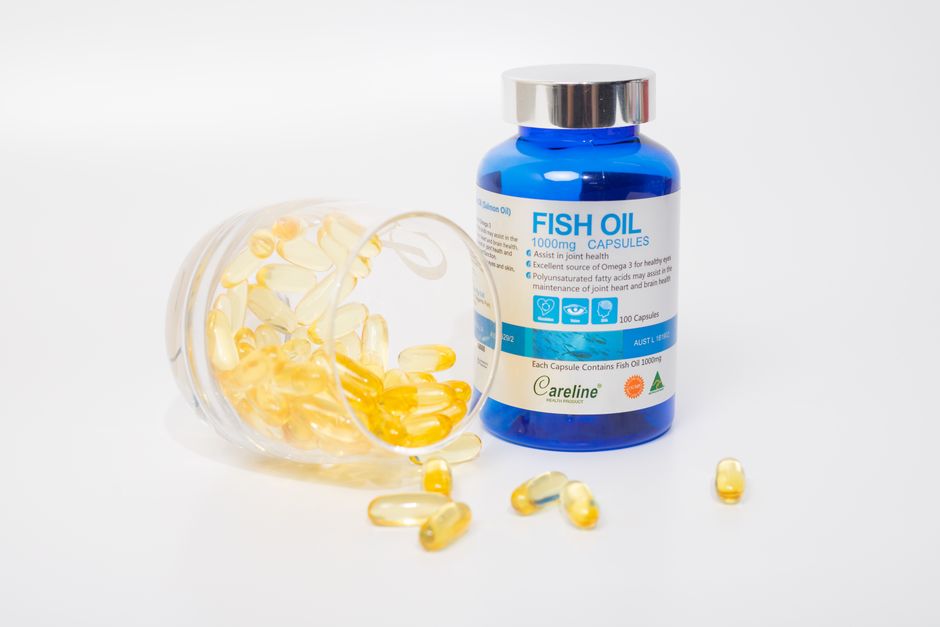
Omega-3 fatty acids (EPA and DHA) are essential for brain function, heart health, and reducing systemic inflammation. Your body can’t make them efficiently from plant sources like flaxseed. You need preformed EPA and DHA from marine sources—or a supplement.
The problem with most fish oil supplements: they’re oxidized (rancid) before you even open the bottle. A 2026 study by the Clean Label Project found that over 50% of fish oil products on Amazon exceeded oxidation limits. Rancid fish oil does more harm than good. It promotes the exact inflammation you’re trying to reduce.
What to look for:
- Triglyceride form, not ethyl ester. Triglyceride form absorbs 70% better and is what you’d get from eating actual fish.
- Third-party tested for oxidation. Look for IFOS (International Fish Oil Standards) certification. It’s the only independent program that tests every batch for rancidity, heavy metals, and PCBs.
- EPA/DHA ratio. For general health, aim for 1,000-2,000 mg combined EPA+DHA daily. For mood support, higher EPA (1,000+ mg EPA) seems to matter more.
My pick: Nordic Naturals Ultimate Omega (60 softgels, $28). Triglyceride form, IFOS certified, 1,280 mg combined EPA+DHA per serving. The lemon flavor masks any fishy burps. Budget alternative: Viva Naturals Triple Strength Omega-3 (90 softgels, $22). Also IFOS certified, 2,200 mg combined per serving, but the softgels are large and some people report more fishy aftertaste.
If you’re vegan: Algal oil is the only plant-based source of preformed DHA and EPA. Brands like Sports Research Vegan Omega-3 ($25 for 60 softgels) work, but you’re paying more for lower doses. It’s the tradeoff.
Vitamin B12: The Vegan Blind Spot
This one is simple. If you eat animal products regularly, you probably don’t need B12. If you’re vegan, vegetarian, or over 50 (stomach acid declines with age, reducing B12 absorption from food), you need it. Deficiency causes irreversible nerve damage, not just fatigue. It’s not something to guess about.
The active form is methylcobalamin, not cyanocobalamin. Methylcobalamin is the form your body actually uses. Cyanocobalamin requires conversion, and some people—especially those with MTHFR variants—don’t convert it well. The difference in cost is pennies. Buy methylcobalamin.
Delivery matters. Sublingual (under the tongue) or liquid drops bypass the stomach entirely, which is useful for people with absorption issues. Jarrow Formulas Methyl B-12 5000 mcg (60 lozenges, $12) is the standard recommendation. One lozenge daily or every other day is plenty. Garden of Life mykind Organics B12 Spray ($14) is a good vegan alternative with a raspberry flavor.
If you’re vegan and not taking B12, you’re not “eating clean.” You’re running an experiment on your nervous system with a known endpoint. Start today.
Creatine Monohydrate: Not Just for Gym Bros
Creatine is the most studied supplement in existence. Over 1,000 peer-reviewed papers. The evidence is overwhelming: it improves strength, power output, muscle mass, and—here’s the part most people miss—cognitive function, especially under sleep deprivation or stress. It’s cheap. It’s safe. It works.
You don’t need a loading phase. You don’t need fancy forms like creatine HCl or creatine ethyl ester. Those are marketing gimmicks designed to charge you 5x more for the same effect. You need creatine monohydrate at 5 grams per day, every day. That’s it.
Specific products: BulkSupplements Creatine Monohydrate (1 kg, $25) is the cheapest per serving. Thorne Creatine (90 servings, $35) is the most rigorously tested. Optimum Nutrition Micronized Creatine (60 servings, $20) mixes slightly better in cold water. They all work identically because creatine monohydrate is creatine monohydrate. Buy the cheapest one from a brand you trust.
The only real side effect: water retention in muscle tissue, which is actually the point. You might gain 2-3 pounds of water weight in the first week. That’s not fat. It’s intramuscular water that makes your muscles look fuller and work harder. If you have kidney disease, skip it. Otherwise, the safety record is clean for decades of use.
What I’d Tell You If You Were Standing in the Aisle Right Now
You came here looking for the “best supplements for health.” The answer is not a product. It’s a process.
Step one: get bloodwork. Vitamin D, B12, ferritin, magnesium (RBC magnesium, not serum), and a lipid panel. That costs about $80 out of pocket at Labcorp or Quest. It tells you what you actually need.
Step two: fix the deficiencies. Low vitamin D? Take D3. Low B12? Take methylcobalamin. Low magnesium? Take glycinate. Don’t eat fish? Take omega-3. Want better strength and brain function? Take creatine.
Step three: stop buying everything else. The collagen powders, the greens drinks, the “immune support” gummies, the adaptogenic mushroom blends. They’re solutions in search of problems. Save your money. Eat real food. Sleep. Walk. Lift something heavy occasionally.
That’s the whole game. Five supplements. Maybe less. Definitely not more.
Medical Disclaimer: This content is for informational purposes only and does not constitute medical advice. Always consult a qualified healthcare professional before making health-related decisions.