A healthy school or work lunch needs to fit the day ahead. It should be enjoyable, practical to carry and easy to eat in the time available. When routines restart, it is tempting to focus on finding new recipes. Start instead with the lunch break itself: where the food will be stored, how it will be eaten and what the person carrying it actually likes.
Check the lunchtime arrangements
A packed lunch can face very different conditions at school and work. A child may have a short break and need to open everything independently. An adult may have access to a fridge but face a long queue for the microwave. Choosing food around those details makes lunch more manageable.
- Find out whether chilled storage and reheating facilities are available.
- Check school allergy policies and restrictions on containers or foods.
- Consider the commute and where the bag stays before lunch.
- Pack any cutlery needed rather than assuming it will be provided.
- Check for trips, meetings or other changes to the normal timetable.
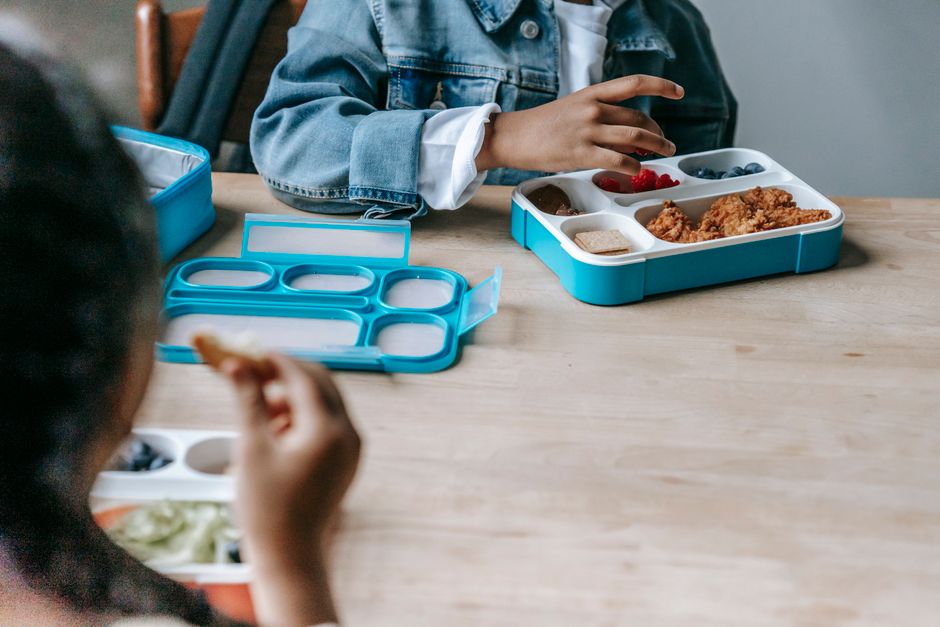
For a child starting somewhere new, practise eating from the lunch box at home. Check whether lids are stiff or packaging needs adult help. A meal that children can manage themselves gives them more time to eat during a busy break.
Choose a familiar main food
Build lunch around something the eater already enjoys. A sandwich, wrap, pasta dish or potato salad can provide a useful starting point. Include a protein food such as beans, eggs, chicken, cheese or tofu, according to preferences and dietary needs. Add fruit or vegetables in a form that travels well and is easy to handle.
This does not need to become a rigid checklist. A simple sandwich with a suitable filling, some cucumber and fruit can be a practical lunch. Leftovers can also work when they have been stored safely and the destination has suitable facilities. Choose wholegrain bread or other wholegrain options when enjoyed, and introduce changes gradually if they are unfamiliar.
Adjust amounts to appetite and the length of the day. Children and adults do not need identical portions, even when the ingredients overlap. If lunch regularly leaves someone hungry, make the main meal more substantial or include something extra for a suitable break. Avoid treating a small lunch as an achievement.
Match the format to the setting
For a short school break
Keep the meal easy to recognise and eat. A sandwich cut into manageable pieces may be simpler than several small pots that all need opening. Choose textures appropriate to your child’s chewing skills and prepare foods to reduce choking risks. Follow age-appropriate guidance, especially for round, firm foods such as grapes.
Offer a choice between a couple of suitable fillings or fruits. This gives children a say without making packing complicated. Introduce unfamiliar foods at a calmer meal where support is available. There is no need to send a completely different lunch every day.
For work without a microwave
Choose a meal intended to taste good cold and keep perishable ingredients chilled. Options include a bean and grain salad, a cooked chicken wrap or a sandwich with fruit and yoghurt. Pack dressing separately if it would make bread or salad soggy. Remember a fork or spoon when the meal needs one.
For shared workplace facilities
Use containers suitable for the appliances available and follow their instructions. Label food in a crowded fridge. Consider how long reheating will take when several people share a microwave. A lunch that requires several stages of assembly might leave little time to sit down and enjoy it.
Plan for safe transport and storage
Perishable foods need suitable temperature control throughout the journey and the morning. Use an insulated bag with frozen ice packs, and put lunch in a fridge on arrival when one is available. Keep the bag away from direct sunlight and hot cars. An insulated bag by itself does not provide refrigeration.
Pack chilled ingredients straight from the fridge. Cool and refrigerate cooked leftovers promptly after cooking, then follow appropriate storage and reheating guidance for that food. When reheating, make sure food is steaming hot throughout and stir where necessary. Choose a different lunch if reliable reheating is unavailable.
If sending a hot meal, use a food flask designed for that purpose and follow its preparation and use instructions. Make sure it is suitable for the time until lunch. Do not taste food to decide whether uncertain storage has made it unsafe. Discard perishable food when you cannot establish that it has been kept safely.
Share ingredients while respecting different needs
A household can use similar ingredients without packing identical meals. Bread, a filling, vegetables and fruit could become a simple sandwich for a child and a larger wrap for an adult. Keep components separate when that makes them more appealing or easier to eat.
School restrictions still apply when the rest of the household eats differently. Check relevant allergen information each time, including on familiar foods, because ingredients can change. Use clean utensils and separate preparation where needed to avoid cross-contact. Follow the care plan and school arrangements for a child with a diagnosed food allergy.
If a health condition affects food choices, or you need advice about eating during pregnancy, consult a GP or registered dietitian. Avoid removing whole food groups from a child’s diet without appropriate professional guidance.
Learn from what comes home
Uneaten food is useful feedback. Ask whether there was enough time, whether the container opened easily and whether the food still tasted good. Adults can ask themselves the same questions when packed lunches repeatedly return untouched. Try changing one detail, such as separating dressing or using fewer containers.
Avoid criticism or pressure to finish everything. Appetite varies, and a rushed setting can make eating difficult. Persistent pain when eating, swallowing difficulties or ongoing concerns about a child’s intake or growth deserve advice from a GP.
Make tomorrow’s lunch easier
- Empty the bag after returning home and assess whether remaining food was stored safely.
- Wash containers, lids and utensils, and let them dry thoroughly.
- Clean the bag according to its instructions and return ice packs to the freezer.
- Check tomorrow’s arrangements before choosing the meal.
- Set aside the clean containers and include drinking water with the finished lunch.
Keep a short list of meals that work well in the actual school or workplace setting. Repeating favourites is useful during busy weeks. Add variety as the routine settles, guided by appetite, preferences and practical feedback. A lunch that arrives safely and gets eaten with enjoyment is a worthwhile everyday success.