Stop spending $79 a month on a greens powder when frozen wild blueberries at $8 a pound do more for you. That’s the conclusion I arrived at after three years of chasing superfood headlines — acai every morning, sea moss gel in my smoothies, a new exotic powder every few months. My grocery bill climbed. My energy didn’t move.
When I started reading actual clinical trials instead of brand landing pages, the picture was uncomfortable. Most superfoods are a marketing construct. A handful are genuinely exceptional. And the expensive exotic options are almost never the ones with the strongest evidence.
The “Superfood” Label Is Pure Marketing — But That Doesn’t Make All Foods Equal
The word “superfood” has no legal definition. The FDA doesn’t use it. The European Union banned its use in marketing in 2007 unless paired with specific approved health claims. The label adds roughly 15-25% to a product’s retail price and carries zero regulatory weight.
Here’s what gets lost in the justified backlash: some foods genuinely are more nutrient-dense than others. The marketing corruption of the concept doesn’t change the underlying biochemistry. Wild blueberries contain anthocyanins that cross the blood-brain barrier and reduce neuroinflammation. Spirulina is 60-70% protein by dry weight with a complete amino acid profile. Fatty fish delivers EPA and DHA that your body cannot synthesize efficiently on its own.
The food industry didn’t invent the concept of nutritional hierarchy. It just figured out how to charge more for it.
How the Exotic Origin Story Drives the Price
Once “superfood” became a premium signal, companies needed foods with an exotic backstory, thin evidence of one isolated benefit, and enough margin to support a markup.
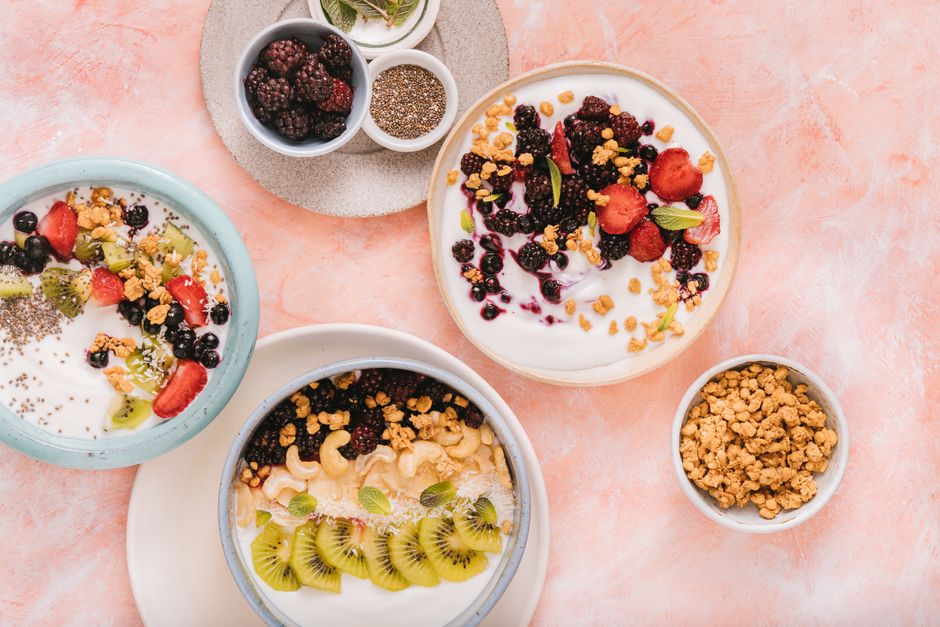
Acai is the clearest example. A berry from the Amazon, tied to indigenous traditions, with legitimate antioxidant content. Real? Yes. Worth 10x the price of frozen blueberries? No. Multiple studies comparing antioxidant capacity found that blueberries, blackberries, and strawberries consistently match or exceed acai’s ORAC values. Blueberries just don’t have a compelling origin story. Goji berries, moringa powder, baobab, and sea moss follow the exact same pattern — something real, massively inflated, exotic name, thin clinical evidence.
What “Nutrient-Dense” Actually Means in Practice
Nutrient density means nutrients per calorie. By that metric, the most evidence-backed foods are embarrassingly ordinary: eggs (complete protein, choline, fat-soluble vitamins in one package), sardines (omega-3s, calcium, vitamin D, B12, and selenium in a single 90-cent can), spinach, lentils, liver.
No exotic origin. No Instagram color. No premium markup.
The superfoods worth serious attention are foods where a specific compound concentration genuinely can’t be replicated cheaply elsewhere — and where human trial evidence for that compound is solid, not just a test-tube study or a single rodent experiment scaled up by a press release.
The Evidence Scorecard: Popular Superfoods Side by Side
Here’s a direct comparison scored on three criteria: quality of human trial evidence, realistic effect size, and cost-effectiveness versus alternatives.
| Food/Supplement | Primary Claim | Evidence Quality | Worth Buying? | Best Form | Approximate Cost |
|---|---|---|---|---|---|
| Wild blueberries | Cognitive support, antioxidants | Strong — multiple RCTs | Yes | Frozen (Wyman’s) | ~$8/lb |
| Matcha | Focus, calm alertness | Strong — L-theanine + caffeine combo | Yes | Ceremonial powder (Ippodo) | ~$25/40g |
| Raw cacao | Cardiovascular, mood | Moderate-Strong | Yes | Raw powder (Navitas Organics) | ~$12/227g |
| Spirulina | Protein, iron, anti-inflammatory | Moderate | Conditionally | NSF-certified tablets (NOW Foods) | ~$20/200g |
| Turmeric powder | Anti-inflammatory | Weak at food doses | Only as curcumin extract | Supplement (Thorne Meriva-SF) | ~$30/60 caps |
| Chia seeds | Omega-3, fiber | Moderate | Yes — best fiber value per dollar | Seeds (Bob’s Red Mill) | ~$7/lb |
| Acai | Antioxidants, weight loss | Weak | Skip the powder | Frozen packs only (Sambazon) | ~$6/4-pack |
| Sea moss | Thyroid support, minerals | Very weak | No | N/A | High |
| Goji berries | Eye health, immunity | Weak | No | Buy other berries instead | High |
Three Tiers of Evidence
Tier 1 — buy with confidence: Wild blueberries, matcha, raw cacao, chia seeds. Multiple well-designed human trials, all under $20, easy to incorporate into any diet without rearranging your life.
Tier 2 — specific situations only: Spirulina for plant-based eaters who struggle with iron or complete protein. Turmeric curcumin — but only as a standardized extract with enhanced bioavailability, not as powder on food. Raw turmeric provides curcumin at roughly 3% bioavailability. Standardized phytosome extracts reach 20-30%.
Tier 3 — marketing, not medicine: Sea moss, goji berries, acai powder, moringa, baobab. Fine to eat. Not worth the premium over ordinary foods.
Why ORAC Scores Are Mostly Irrelevant
Superfood marketing loves quoting ORAC (Oxygen Radical Absorbance Capacity) scores. The FDA stopped recommending ORAC values in 2012 because the metric is measured in a test tube. Human digestion does not work like a test tube.
A food can post a spectacular ORAC score and deliver almost nothing to your cells after processing, shipping, and digestion. Acai powder’s on-paper antioxidant capacity is genuinely impressive. What actually reaches your bloodstream from months-old oxidized powder is considerably less so.
Five Mistakes That Turn Superfoods Into Wasted Money
- Buying powders when frozen whole foods are cheaper and more potent. Acai powder is processed, oxidized, and may sit in a warehouse for months before you open the bag. Sambazon frozen acai packs (~$6 for a 4-pack) are flash-frozen within hours of harvest. Wyman’s Wild Blueberries (~$8/lb) beat any blueberry extract powder at any price point — a University of Maine study found wild varieties contain twice the anthocyanin concentration of farmed blueberries.
- Trusting proprietary blends on supplement labels. When a label shows “Superfood Complex 5,000mg” with eight ingredients below it, you have no way of knowing if any single ingredient reaches an effective dose. AG1 at $79/month lists 75 ingredients — many appear at doses far below what clinical trials actually used. Manufacturers are not legally required to disclose individual ingredient amounts within a named blend.
- Skipping heavy metal testing on algae-based products. Spirulina and chlorella accumulate heavy metals from their growing environment. Cheap brands sourced from unregulated facilities have tested positive for lead and arsenic. This is a real contamination risk. NOW Foods Spirulina (~$20/200g) carries NSF certification. Viva Naturals Organic Spirulina (~$22) is also independently third-party tested. Pay the extra few dollars.
- Expecting one food to compensate for a poor overall diet. The evidence base for these foods comes from populations eating them within healthy dietary patterns overall — not as isolated daily supplements against a background of processed food. Adding a $5 matcha latte next to a drive-through meal does not offset the drive-through meal.
- Paying a 400-500% premium for organic versions where it doesn’t matter. Organic chia seeds cost roughly 3x conventional chia. The nutritional difference inside the seed is minimal. That extra money is better spent on wild-caught fatty fish or better quality produce where organic designation actually changes pesticide exposure.
The Specific Products Worth Buying in This Category
These are my actual picks — not the most exotic, not the most expensive, just the ones where the evidence justifies the price.
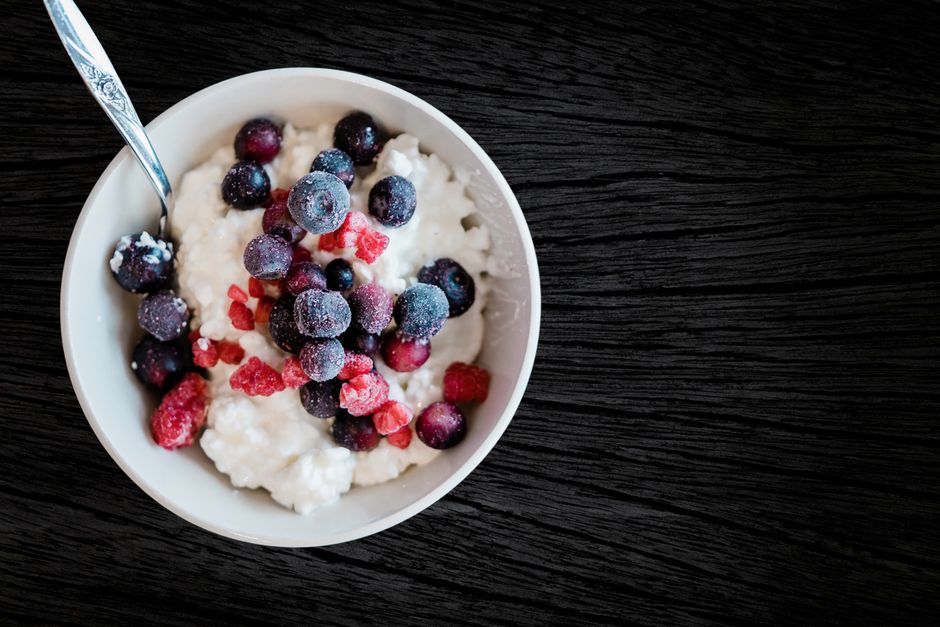
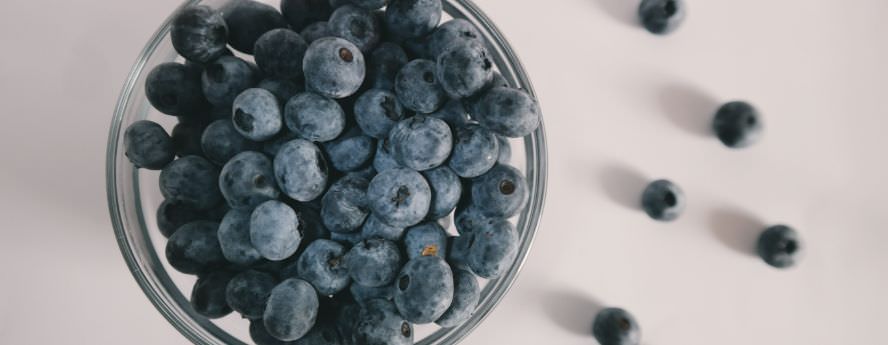
Wyman’s Wild Blueberries (frozen, ~$8/lb at most major grocery stores) are the first thing I’d tell anyone to buy. Higher anthocyanin content than farmed blueberries, cheaper than any acai product on the market, and a consistent supply chain you can trust. A randomized controlled trial in the European Journal of Nutrition found that 30g daily improved working memory and attention processing speed in older adults over 12 weeks.
Matcha: Clear Mechanism, but Grade Matters Enormously
Matcha delivers focused alertness through a specific pairing: L-theanine (calming, roughly 20-40mg per gram of matcha) combined with caffeine (stimulating) produces clean focus without the edge that coffee creates in sensitive people. EGCG, the primary catechin, has well-studied anti-inflammatory and metabolic effects in human trials at doses achievable through 1-2 cups daily.
Grade determines actually getting this effect. Ceremonial matcha contains 3-4x the L-theanine of culinary grade. Ippodo Matcha Ikuyo (~$25/40g) has the best quality-to-price ratio after testing several brands over the past two years. Encha Ceremonial Grade ($28/30g) is also genuinely high quality. Anything in a tin under $12 is almost certainly mislabeled culinary grade — fine for cooking, largely ineffective as a functional drink.
Raw Cacao: The Cheap One With Strong Evidence
Navitas Organics Cacao Powder ($12 for 227g) delivers roughly 40mg of flavanols per tablespoon. A Harvard meta-analysis found 200-600mg of cocoa flavanols daily was associated with measurable reductions in blood pressure and cardiovascular risk markers. Two tablespoons in a morning smoothie hits the lower end of that range for $0.50.
Do not substitute Dutch-processed cocoa powder — alkalization destroys up to 90% of the flavanols. Look for the words “raw” or “cold-processed” on the label. The difference in evidence between raw cacao and standard cocoa powder is not minor.
Creatine: The Most Proven Compound Nobody Calls a Superfood
Creatine monohydrate has hundreds of clinical trials behind it spanning strength performance, cognitive function under stress, and muscle preservation in aging populations. Effect sizes dwarf almost anything in the superfood category. Thorne Creatine ($40/90 servings) or Optimum Nutrition Micronized Creatine ($30/120 servings) at 5g/day runs $0.20 per dose. No exotic origin story. No celebrity ambassador. No $79 monthly subscription. That’s exactly why the superfood industry doesn’t talk about it.
When to Skip the Supplement and Eat the Real Thing
Should I take omega-3 supplements or just eat fatty fish?
Eat the fish if you can manage it. Two 3.5oz servings of sardines per week — Wild Planet or Bela brand, about $3-4 per can — delivers more EPA and DHA than most fish oil capsule regimens, plus selenium, vitamin D, calcium, and B12 in the same package. Whole-food omega-3 bioavailability is also marginally higher than from refined capsules.
If fish isn’t realistic: Nordic Naturals Ultimate Omega ($40/60 softgels, 1,280mg EPA+DHA per 2-capsule serving) is the clearest recommendation in the supplement category. Carlson Labs The Very Finest Fish Oil liquid (~$35) costs less per effective dose and has almost no aftertaste when kept refrigerated.
Is a greens powder worth it if I already eat vegetables?
No. Not if you’re eating 4-5 varied vegetable servings daily. The vegetable equivalent of a single serving of AG1 costs under $2 at any grocery store. Greens powders make sense for specific situations: frequent travel, consistent difficulty hitting vegetable targets, or needing a micronutrient safety net while eating erratically.
For those use cases, Amazing Grass Green Superfood Original (~$30/month) is the most transparent product in the category — shorter ingredient list, honest about what it is, and less than half the price of AG1 or Organifi Green Juice (~$70/month).
What about turmeric lattes and golden milk?
Enjoyable drink. Not anti-inflammatory medicine. A teaspoon of turmeric contains roughly 30-40mg of curcumin. Studies showing meaningful anti-inflammatory effects used 1,000-2,000mg of standardized curcumin extract daily. You’d need 25-50 cups of golden milk per day to match those doses.
For actual curcumin benefit: Thorne Meriva-SF (~$30/60 capsules, 500mg curcumin phytosome each) uses the form with the best-studied absorption profile. Take that. Keep the latte as a warm drink you enjoy.
How to Vet Any Superfood Product Before You Buy
Two minutes is enough to filter out most bad products in this category. Here’s the process I run on anything new.
Step 1: Check for third-party certification
Look for NSF Certified for Sport, USP Verified, or Informed Sport logos on the label. These require independent laboratory testing — they’re not self-reported quality claims a marketing team wrote. No certification present? Search the product name plus “COA” (Certificate of Analysis) online. Legitimate companies publish these documents. No COA found within two minutes of searching means pass on the product.
This step is non-negotiable for spirulina, chlorella, and anything grown in open water, where heavy metal contamination risk is real and entirely unaddressed without external testing.
Step 2: Match the dose to the actual research
Search the active ingredient name plus “clinical trial dose” before trusting a label. Then find that same ingredient on the product. If it appears inside a proprietary blend, the dose is almost certainly below therapeutic — blend totals don’t reveal individual amounts, and companies know this.
A turmeric supplement labeled “Turmeric Extract 500mg” without specifying curcumin percentage is nearly impossible to evaluate. Depending on the extract standard, the same 500mg delivers anywhere from 25mg to 190mg of bioavailable curcumin. The label rarely tells you which you’re getting.
Step 3: Calculate cost per effective dose, not per container
Containers are a marketing unit. The number that matters is cost per dose at the amount actually tested in clinical trials. A $79/month product with 75 ingredients sounds comprehensive — but divided by effective doses, most components are present at fractions of studied amounts. Running that math on AG1 versus three separately purchased Tier 1 products is a revealing exercise.
My Verdict
After three years and way too much money spent on acai powder and sea moss gel: the four superfoods I actually buy are frozen Wyman’s wild blueberries, ceremonial matcha, Navitas Organics raw cacao, and Bob’s Red Mill chia seeds — total monthly cost under $35. Less than a single tin of AG1. The most proven compound in this entire space costs $0.20 a day and the superfood industry has no reason to tell you about it. That’s how it’s always worked, and knowing that is worth more than any powder on the shelf.
Medical Disclaimer: This content is for informational purposes only and does not constitute medical advice. Always consult a qualified healthcare professional before making health-related decisions.