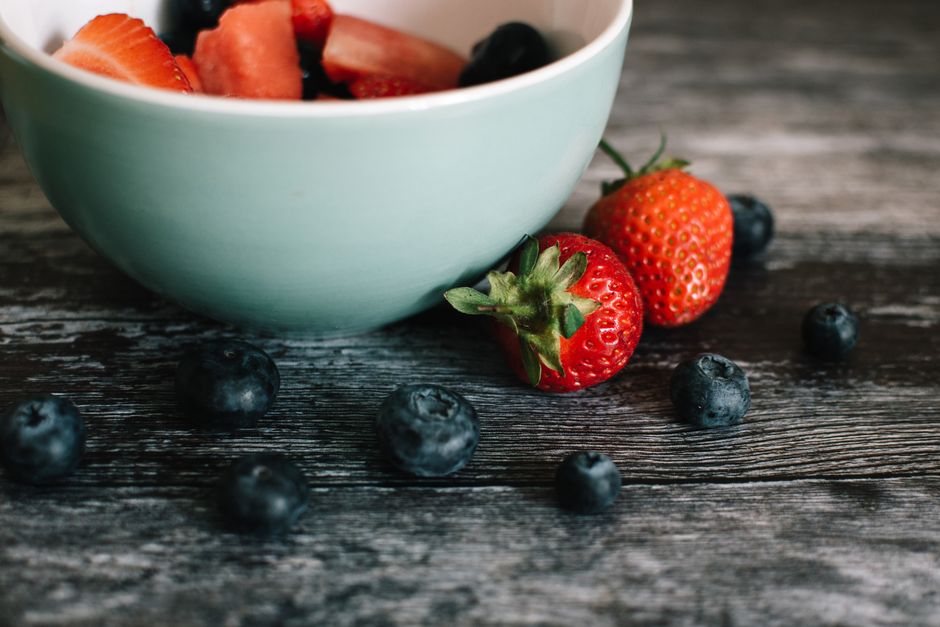
A punnet of summer berries can be delicious straight from the fridge, but it can also become an ingredient you use throughout the week. Strawberries, raspberries, blueberries and blackberries bring different textures and levels of sweetness to familiar meals. Match each berry to its condition: keep firm fruit for dishes where shape matters, use softer sound fruit in sauces, and freeze what you cannot finish. That gives you plenty of choice without turning every punnet into a baking project.
Choose berries with a meal in mind
Before buying several containers, think about when and how you will use them. Firm blueberries travel well in a lunch container, while delicate raspberries are better suited to a meal at home. Large strawberries are easy to slice into salads; blackberries bring a sharper flavour to warm fruit toppings. You do not need every variety to make berries useful.
Look for fruit without visible mould, leaking juice or a fermented smell. Check the underside of the container as well as the top. Buy an amount that fits your actual plans, especially when the weather is warm and your kitchen is busy. A smaller punnet you enjoy is more useful than a large tray you struggle to finish.
Sort, store and wash with care
When you unpack your shopping, inspect the berries and remove damaged fruit. Discard mouldy berries and any soft berries directly touching them. If mould is widespread or the contents look spoiled, discard the container. Cooking is a way to use ripe fruit, but it does not make spoiled fruit suitable to eat.
Keep fresh berries refrigerated in a clean container that allows some airflow, and avoid packing them tightly. Excess moisture encourages deterioration, so usually wash only the amount you are about to prepare. Follow any storage instructions on the packaging.
- Wash your hands and use clean utensils before handling fruit.
- Rinse fresh berries gently under running water; do not use soap or household cleaning products.
- Drain well and pat dry carefully, particularly before adding berries to bread or salad.
- Remove strawberry leaves after washing, then slice as needed.
Add interest to ordinary meals
Berries contribute fibre and a range of nutrients, with the amounts varying between types. They can be part of a varied diet without needing to be treated as a special health food. Keeping them whole or roughly chopped also lets you enjoy their texture, rather than always turning them into drinks.
Try adding sliced strawberries to plain yoghurt with oats, or spooning blueberries over warm porridge just before serving. These are finishing touches to meals you already make. If your usual breakfast is toast, a layer of ricotta or another suitable soft cheese with sliced berries offers a change from jam.
For a simple snack, pair berries with something you enjoy, such as yoghurt or a small handful of nuts if these are suitable for you. Let your appetite guide the amount. There is no need to weigh every berry or make fruit into a rigid daily target.
Give berries a place in savoury dishes
Build a salad around contrasting textures
Strawberries work well with crisp leaves, cucumber and cooked grains. Blueberries can be scattered into a bowl of lentils, leafy greens and chopped vegetables. Add a protein food such as beans, eggs or chicken if you want the salad to serve as a meal, then finish with a dressing you like.
Keep the berries as one ingredient among several. Their sweetness is especially pleasant beside sharp lemon juice, vinegar or fresh herbs. Dress the salad shortly before eating so that the leaves stay crisp and the berries do not release too much juice.
Make a fresh chopped topping
Finely chop firm strawberries and combine them with cucumber, mint and a little lime juice. Spoon the mixture beside cooked fish, beans or a grain dish. Make only what you plan to serve soon, since chopped berries soften as they stand. If raw onion or chilli does not suit you, leave it out; the topping still has plenty of flavour.
Turn soft, sound berries into a spoonable sauce
Berries that have lost their firmness can still be useful if they show no signs of spoilage. Put washed, prepared fruit into a small saucepan with a splash of water. Warm gently, stirring until the fruit softens and releases its juices. Mash some of it with a spoon, leaving the rest chunky if you prefer.
Taste before adding anything sweet. Ripe strawberries may need nothing else, while tart blackberries might suit a little sweetener according to your preference. Lemon zest, cinnamon or vanilla can add another layer of flavour. Remember that honey, syrups and sugar all add sweetness; none is required simply because the sauce is homemade.
Spoon the sauce over plain yoghurt, pancakes or porridge, or serve it alongside a dessert. Cool leftovers promptly, refrigerate in a clean covered container and use soon. Freeze extra portions if you will not use them promptly. This quick sauce is not a preserved jam and should not be stored in a cupboard.
Freeze extra fruit for a different texture later
Freezing is helpful when you have more ripe berries than immediate plans. Wash, drain and dry fresh fruit, then remove strawberry leaves and cut larger berries into pieces. Spread the fruit on a tray so the pieces are separate. Once frozen, transfer them to a freezer container, label it and return it to the freezer.
Thawed berries are generally softer than fresh ones, making them useful for cooked toppings and baking. Freeze in amounts that suit your cooking so you can take out what you need. For commercially frozen berries, follow the packet instructions, including any requirement to cook them before eating. Freezing does not remove all food safety risks.
Adapt the serving to the person eating
For young children, prepare berries in a shape and texture appropriate to their development. Round, firm blueberries may need flattening or cutting, and children should sit upright and be supervised while eating. For anyone with chewing or swallowing difficulties, ask a qualified professional about suitable preparation rather than assuming soft fruit is always safe.
If berries cause symptoms or you have a health condition that affects food choices, speak with a GP or registered dietitian for individual advice. Otherwise, keep the routine manageable: choose a fresh use, a cooked use and a freezer option. With those choices ready, a punnet can find its way into meals you already enjoy.