Getting active as a family can sound simple until you try to choose something everyone wants to do. One person wants a challenge, another is tired, and someone else would rather stay indoors. The useful starting point is a shared plan that makes room for those differences. Family activity does not need matching abilities, expensive equipment, or a packed calendar. It needs a welcoming way to join in, permission to adapt, and enough enjoyment that people are willing to try again.
Agree on what together means
Being active together does not mean everyone must move at the same speed or finish the same task. You might share a destination, take turns choosing a game, or spend time in the same space doing different movements. This flexibility is particularly useful when your household includes young children, teenagers, older relatives, or people with different access needs.
Ask each person what would make joining easier. Perhaps they want a quieter location, fewer rules, somewhere to sit, or the freedom to leave early. Treat these answers as planning information. A family outing that works for the most confident person alone is unlikely to become a shared favourite.
Give everyone a manageable choice
An open question such as “What should we do?” can lead to a long debate. Offer a small choice that you can realistically support: a walk to a nearby green space or a music game at home, for example. Check that both options are suitable before presenting them.
Rotate who chooses, while keeping safety and accessibility as shared requirements. A teenager may prefer selecting the route privately rather than leading a family discussion. A younger child might enjoy choosing which landmarks to look for. Adults can take turns handling preparation so one person does not become responsible for every outing.
- The chooser suggests an activity from the agreed options.
- The planner checks the space, weather, and practical needs.
- The helper gathers suitable clothing or puts equipment away.
Keep roles optional and appropriate to each person’s age and abilities. Helping with a plan should not become a condition for belonging.
Build different versions of the same activity
Instead of separating everyone by ability, look for ways to vary the task while preserving a shared experience. Agree on an easy starting version and let people choose whether to add a challenge. Nobody needs to earn the easier option.
Use a shared base outdoors
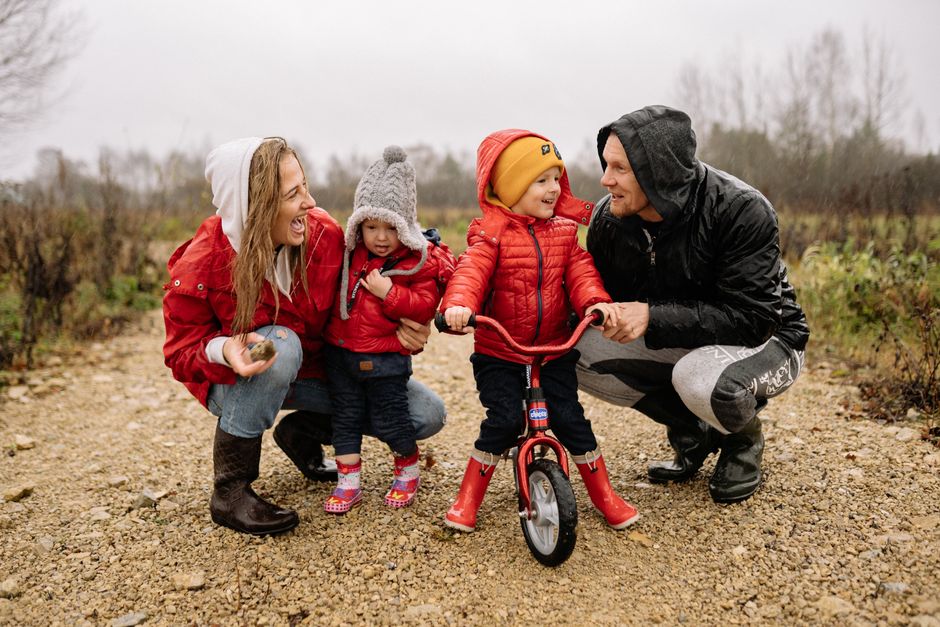
A suitable park or open area can offer a meeting point with seating and clear sightlines. Some family members might follow a short accessible path while others explore a longer permitted route with appropriate supervision. Arrange where to meet and ensure nobody is left waiting without support. Check surfaces, slopes, toilets, and resting places before relying on a location.
Change the rules of a game
For a simple passing game, shorten the distance, allow a bounce, roll the ball, or use a larger soft ball. You can play seated or standing where comfortable and safe. Make the shared task keeping the game going, rather than catching someone out. If adapting a game still leaves someone excluded, choose a different game.
Let movements differ indoors
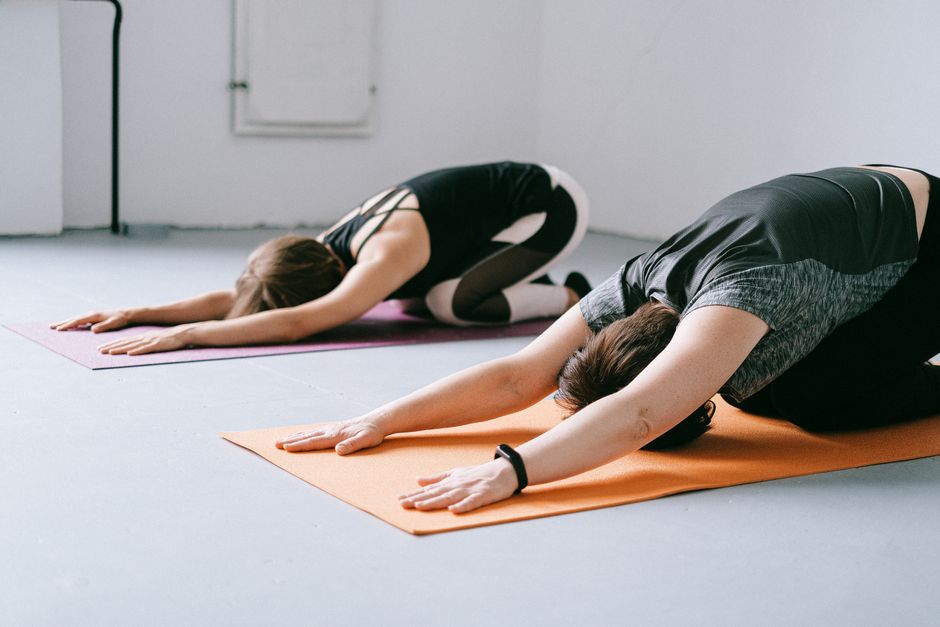
During a music session, one person might step from side to side while another uses comfortable seated arm movements. Avoid insisting that everyone copy the same action. Clear enough space for each participant and keep movements within their comfortable range.
Make cooperation the main event
Competition can be enjoyable when everyone wants it, but it can also turn a relaxed activity into a comparison of age, speed, or strength. Ask before keeping score. If someone regularly loses interest when points appear, try a shared challenge with no individual ranking.
You could invent a movement story together, taking turns to suggest a safe action that fits the next scene. On an outing, work as a group to spot different shapes or familiar landmarks without collecting or disturbing anything. For a passing game, explore how many ways the group can move a ball between people while staying in place.
Leave out elimination rules so nobody spends the activity sitting aside after a mistake. If frustration rises, pause and change the task. Enjoyment does not require finishing every round.
Fit the plan around family energy
The best available time is not always the longest gap in the diary. A big outing after a demanding day may feel harder than a brief, familiar activity at a calmer moment. Look for a regular opportunity that leaves room for meals, schoolwork, caring responsibilities, and rest.
Choose a minimum version for busy days. That could mean moving to one favourite song or taking a short stroll close to home. It should feel easy to begin and easy to finish. A longer option can remain available when the group has more energy, without turning the shorter version into a disappointment.
Give the activity a clear ending. Knowing when you will head home or move on helps people who find open-ended plans uncomfortable. Stop while the experience is still pleasant rather than stretching it until everyone is exhausted.
Prepare for the ordinary obstacles
A little preparation can prevent repeated disagreements. Keep commonly needed items together and check practical details before setting off. You do not need a special purchase to make a shared activity worthwhile.
- Choose comfortable clothing and footwear suited to the activity and conditions.
- Bring drinking water and allow breaks according to individual needs.
- Check the weather and change the plan when conditions are unsuitable.
- Use appropriate protective equipment for activities that require it.
- Check that indoor floors are clear, stable, and free of slipping hazards.
Keep a familiar indoor alternative ready for cancelled outings. For activities near roads, water, or other hazards, arrange suitable supervision and follow local safety rules. A shared activity is easier to enjoy when adults know who is supervising each child.
Make participation feel emotionally safe
Avoid comments about weight, body shape, food being earned, or who looks the most athletic. Talk instead about the experience: an inventive game rule, a thoughtful act, or a place someone enjoyed visiting. Ask before taking photographs or sharing them, particularly when someone feels self-conscious.
If a family member declines, find out whether the barrier is discomfort, embarrassment, boredom, or simply needing rest. Offer an appropriate alternative without turning the conversation into an argument. Respect physical limits. For health conditions, injuries, pregnancy, or uncertainty about starting exercise, seek advice from a GP or qualified professional. Stop an activity if it causes pain or someone feels unwell.
Let the next plan reflect what happened
Afterwards, ask what people enjoyed and what would make the next session easier. Keep the conversation brief and specific. “Was that route comfortable?” is often more useful than asking whether everyone had fun. Change one practical detail next time, such as the location, rules, or stopping point.
You do not need to create a family tradition immediately. Repeat the parts people welcome, let unsuitable ideas go, and leave space for preferences to change. A shared routine grows from experiences that feel comfortable enough to return to.