Why It’s Hard to Eat Enough Vegetables—and How to Overcome It
Let’s be honest—adding enough vegetables to your daily diet isn’t always easy. Maybe you find veggies boring or struggle with time to prep them. Sometimes, the taste or texture just doesn’t click, or you simply don’t know how to incorporate veggies into your usual meals. These common challenges can make boosting vegetable intake feel like climbing a steep hill.
But here’s the good news: there are plenty of practical, easy ways to add more vegetables to your diet without feeling overwhelmed or restricted. The key is to start small and get creative with your approach, from breakfast to dinner, plus snacks!
Common hurdles and quick fixes:
- Lack of time? Use pre-cut or frozen veggies—they’re just as nutritious and save prep hassle.
- Not a fan of the taste? Try roasting veggies to bring out natural sweetness or sneak them into sauces and smoothies.
- Feeling bored? Mix up textures and colors with different cooking methods and seasonings.
- Don’t know where to start? Focus on adding one veggie per meal and build from there.
By understanding what makes eating vegetables tough, you can take realistic steps toward incorporating them more naturally throughout your day. It’s all about making veggies enjoyable, convenient, and a regular part of your meals.
Breakfast Ideas: Start Your Day with Veggies
Starting your day with vegetables can make a big difference in reaching your daily veggie goals. Here are some easy ways to incorporate more vegetables into breakfast:
- Veggie omelets, frittatas, or scrambled eggs loaded with spinach, peppers, onions, mushrooms, or tomatoes add flavor and nutrition.
- Savory oatmeal or overnight oats get a veggie boost with grated zucchini, carrots, or leafy greens mixed in.
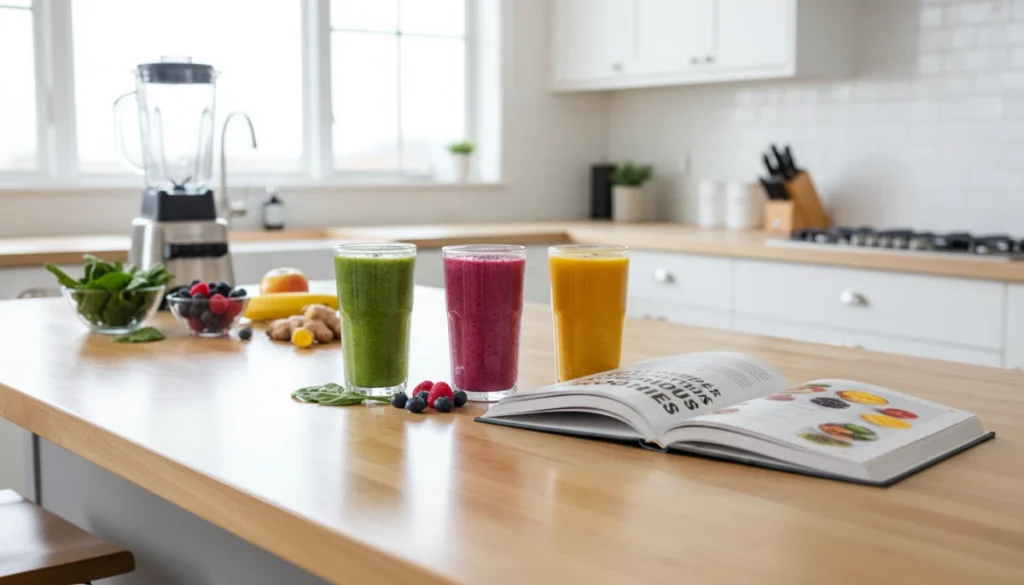
- Smoothies or green juices are perfect for sneaking in spinach, kale, cucumber, or celery. To mask the taste, blend with naturally sweet fruits like pineapple or mango.
- Avocado toast upgrades can be made by topping with sliced radishes, tomatoes, or microgreens for extra crunch and vitamins.
These simple changes offer easy vegetable recipes for meals that help boost vegetable intake daily. If you find it tricky to enjoy these new flavors at first, consider strategies to retrain your taste buds gradually for a fresh veggie habit. For tips on adjusting your palate, check out practical advice on how to retrain your taste buds for better acceptance of vegetables.
Lunch Strategies: Make Midday Meals Veggie-Rich
Lunch is a perfect chance to boost your vegetable intake with simple, tasty ideas. Start by building hearty salads that serve as a full meal—use a base of leafy greens like spinach or kale, then add protein sources such as beans, nuts, or grilled chicken for balance. Wraps, sandwiches, or burgers can easily be bulked up with fresh veggies like lettuce, tomato, cucumber, avocado, shredded carrots, or crunchy sprouts to add texture and nutrients.
Soups and chili are also great ways to enjoy veggie-packed meals. Load them with mixed vegetables such as carrots, celery, zucchini, and beans for a healthy, filling option. For variety, grain bowls with quinoa or rice topped with roasted or raw veggies offer a quick and flexible lunch solution that covers your vegetable goals without extra fuss.
These easy vegetable recipes for meals keep lunches vibrant and nutritious while helping you boost vegetable intake daily. For more ideas on maximizing vegetable benefits, you might find helpful the guidance on seasonal produce from this page about 5 autumn vegetables to support your nutrition.
Dinner Tactics: Center Vegetables in Evening Meals
Making vegetables the star of your dinner is a simple way to boost vegetable intake daily and enjoy healthy meals. Try roasting a sheet-pan full of broccoli, cauliflower, Brussels sprouts, or carrots. Roasting brings out natural sweetness—perfect as a side or even as a main dish when tossed with a bit of olive oil and seasoning.
Stir-fries or one-pan meals are excellent for quick, veggie-packed dinners. Use a variety of colorful vegetables alongside lean protein like chicken, tofu, or shrimp for balance. This method is not only fast but keeps vegetables crisp and vibrant.
For something comforting, add hidden vegetables to pasta, casseroles, or sauces. Grated zucchini, carrots, spinach, or mushrooms blend right in without changing the flavor much—ideal for sneaky ways to eat vegetables, especially with picky eaters.
Stuffed vegetables like bell peppers or zucchini boats work well as veggie-forward dinners. Fill them with grains, beans, or lean meat mixed with herbs and spices. Similarly, veggie-rich curries and stews are hearty and satisfying, allowing you to incorporate a variety of vegetables in one pot.
For lighter nights, grilling or poaching vegetables brings out fresh flavors and keeps meals simple but delicious. These cooking methods maintain nutrients and texture, giving you easy vegetable side dishes ideas that make dinners feel wholesome without extra fuss.
Snacks and Sides: Easy Add-Ons Throughout the Day
Adding vegetables as snacks and sides is one of the easiest ways to boost vegetable intake daily without much hassle. Keep a stash of raw veggie sticks like carrots, cucumbers, and bell peppers ready, paired with tasty dips such as hummus, yogurt-based dressings, or salsa for a refreshing, crunchy snack.
For a warm option, prepping roasted or air-fried vegetable batches in advance makes grabbing a nutritious side a breeze. Think seasoned cauliflower, sweet potato wedges, or crispy Brussels sprouts. Another quick trick is to add frozen vegetables directly into meals like pasta, soups, or stir-fries—frozen options save time and reduce waste while still packing nutrition.
Simple sides like steamed greens or sautéed garlic veggies further complement main dishes, adding flavor and color without extra effort. For more handy tips on quick meal hacks and easy vegetable recipes for meals, check out useful snack ideas that keep your diet on track.
Sneaky and Creative Techniques for Picky Eaters
Getting picky eaters to enjoy vegetables can be easier with some clever tricks. Here’s how to sneak in more veggies without the fuss:
- Blend or puree vegetables into sauces, soups, smoothies, or baked goods. For example, add pureed carrots or spinach to pasta sauces or mix greens into fruit smoothies to boost vegetable intake daily without changing the taste too much.
- Grate or finely chop veggies into ground meat dishes, like meatballs or burgers, and even muffins. This hides the texture while packing extra nutrients.
- Swap regular sides with cauliflower rice or zucchini noodles as low-carb, veggie-packed bases or substitutes that blend well with a range of meals.
- Experiment with different textures and cooking methods—roasting vegetables brings out their natural sweetness, while blending creates creamy, smooth dishes that are easier on sensitive palates.
These sneaky ways to eat vegetables help make healthy meal prep with vegetables more enjoyable, especially when feeding kids or fussy eaters. For additional ideas on boosting your meals with greens, you might find tips on how to create an amazing kitchen setup useful to keep your veggie routine organized and inspiring.
Meal Prep and Shopping Tips for Success
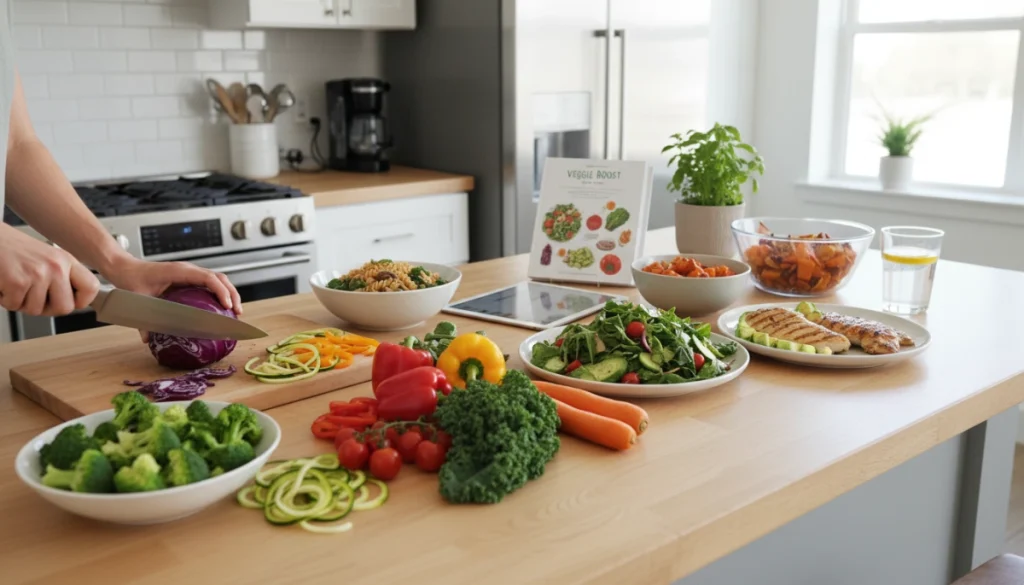
Boosting vegetable intake daily gets a lot easier with smart meal prep and shopping habits. Try chopping veggies in advance or roasting big batches to store in the fridge or freezer—this saves time on busy days and makes it simple to add veggies to any meal. Freezing portions of your prepped vegetables keeps them ready for smoothies, stir-fries, or quick sides whenever you need.
When shopping, prioritize frozen or pre-cut vegetables. They’re just as nutritious and super convenient, especially when fresh produce feels pricey or out of season. Speaking of which, choosing seasonal produce not only saves money but also brings better flavor to your meals.
Keep your kitchen stocked with versatile staples like onions, garlic, carrots, spinach, and bell peppers. These basics can easily be added to a wide variety of dishes, from pasta sauces to soups and stews, helping you incorporate veggies into meals without extra hassle.
Overcoming Common Challenges
Finding easy ways to add more vegetables to your diet can sometimes feel tough, but a few smart hacks can help you boost vegetable intake daily without adding stress.
Time-saving hacks:
- Use frozen veggies—they’re just as nutritious and can save prep time.
- Microwave steaming is quick, locking in nutrients while keeping veggies tender.
- Prep veggies in advance and store them for grab-and-go cooking.
Flavor boosters:
- Add fresh herbs, garlic, lemon juice, or a sprinkle of cheese to brighten up veggie dishes.
- Use spices like cumin, paprika, or chili for warmth and depth.
- These simple additions make even veggie-packed soups and stews irresistible.
Keep it enjoyable:
- Mix up textures and cooking methods—roasting for natural sweetness or sautéing with garlic for richness.
- Incorporate family-friendly vegetable ideas to get everyone involved and prevent mealtime boredom.
- Try new vegetable side dishes ideas regularly to keep meals fresh.
Track progress without obsession:
- Focus on gradual improvements rather than strict tracking.
- Celebrate small wins like adding greens to meals or incorporating veggies into breakfast and dinner.
- Stay flexible and adapt to your taste preferences and lifestyle.