Making breakfast more nourishing can begin with the food you already enjoy. You do not need a collection of unfamiliar ingredients or a completely different morning menu. Adding fruit beside toast, yoghurt to cereal or beans alongside an egg can give a familiar meal more variety. The useful question is what would complement your usual breakfast and still feel easy to prepare.
This approach focuses on small additions and adjustments. It leaves room for your tastes, appetite and household routine, without asking every breakfast to look the same. Choose one idea that fits the way you eat now, then adapt it as you go.
Look at your usual breakfast first
Notice what you serve on an ordinary morning, rather than what you imagine an ideal breakfast should contain. Perhaps toast is convenient, cereal lets everyone help themselves, or leftovers suit your preference for savoury food. These are practical reasons to keep your existing meal as a starting point.
Next, consider what could sit alongside it. Could you add fruit or vegetables? Would an egg, some yoghurt or a bean topping work? Is there a wholegrain version of a food you already like? You do not need to make all these changes together. Pick the one that sounds enjoyable and manageable.
Build around the breakfast you like
Toast and toppings
Toast offers plenty of room for variation. Try mashed beans with herbs, an egg with sliced tomato, or nut butter with banana if nuts are suitable for you. Wholemeal bread can be a way to include whole grains, but changing toppings also gives you options when you want to keep your favourite loaf.
If jam or marmalade is what makes breakfast appealing, keep it and consider an addition on the side. Plain yoghurt, fruit or an egg can sit beside your toast. There is no need to remove an enjoyable flavour before you can make the meal more varied.
Cereal and additions
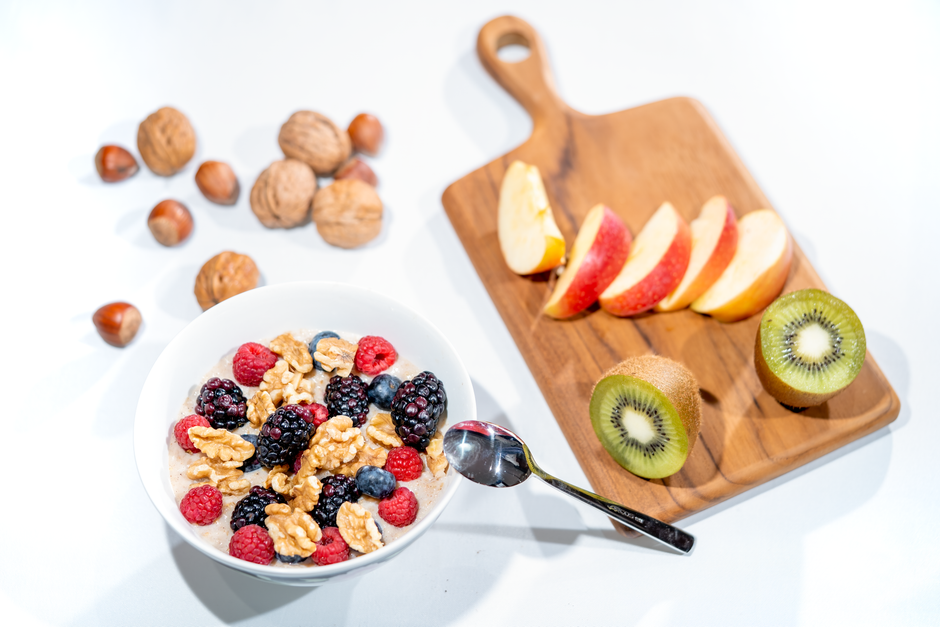
Fruit is an easy addition to cereal. Use fresh fruit, canned fruit in juice or water, or frozen fruit prepared according to the packaging. Some frozen fruit needs cooking before eating, so check its instructions. Milk, plain yoghurt or a suitable fortified alternative can accompany the bowl, depending on your needs.
A little chopped nut or seed topping can add another texture if suitable for you. You could also mix your usual cereal with a plain wholegrain variety. Add ingredients gradually so you can judge whether you enjoy the result. A bowl does not need lots of different toppings to be worthwhile.
Pastries and other favourites
A pastry can remain part of your breakfast. You might enjoy it with fruit and plain yoghurt, or have a savoury food alongside it. Think about the whole meal rather than deciding that one ingredient makes the morning a success or failure. An addition you enjoy is more useful than a replacement you leave uneaten.
Match the amount to your appetite
More nourishing does not necessarily mean much larger. If you prefer a small breakfast, try a modest addition or change part of what you already serve. Some sliced fruit, a spoonful of yoghurt or a different toast topping may be enough of an experiment for one morning.
If you wake up hungry, allow yourself a meal that feels adequate. Notice whether your breakfast suits your appetite and the practical demands of your morning. You can serve more on some days and less on others without needing to turn the decision into a strict rule.
If food is unappealing immediately after waking, a smaller first meal with more to eat later may suit you. Follow any advice you have about food and medicines. Speak to your GP about persistent appetite changes, nausea or difficulty eating rather than trying to solve those concerns through breakfast adjustments alone.
Use foods beyond the breakfast aisle
You can eat familiar lunch or dinner ingredients in the morning. This may be especially appealing when sweet breakfasts do not suit your taste. Look at what is already available and choose something you would enjoy eating, rather than buying special breakfast foods simply because they carry that label.
- Serve cooked beans on toast with tomato.
- Fill a wrap with egg and spinach.
- Have plain yoghurt with cucumber, herbs and bread.
- Pair leftover vegetable soup with toast.
- Cook tofu with mushrooms and a familiar seasoning.
Only use leftovers that have been cooled and stored safely. Follow appropriate storage and reheating guidance, and keep perishable ingredients refrigerated until needed. If breakfast travels with you, use a suitable insulated bag and ice pack to keep chilled foods cold until you eat them.
Make additions convenient
Put the ingredients you want to use where they are easy to find. Keep fruit near your breakfast supplies, place yoghurt within reach in the fridge, or freeze bread for toasting according to its instructions. These small arrangements can make an addition easier to remember when your attention is elsewhere.
Choose ingredients that work in several meals. Bananas can accompany toast, cereal or yoghurt. Eggs can go beside bread or inside a wrap. Beans can become a topping or join a savoury bowl. Buying foods you will also use later in the day helps avoid an ambitious breakfast plan leaving unwanted ingredients behind.
Leave room for different needs
A shared breakfast does not require identical plates. Offer a familiar base and a few optional additions so each person can assemble something appealing. One person may choose cereal with fruit, while another prefers toast with egg. This can accommodate preferences without creating a separate cooking project for everyone.
Check ingredients for allergies and dietary restrictions, and prevent cross-contact where needed. Plant-based drinks differ in their ingredients and fortification, so consider whether your choice suits your needs. A registered dietitian can help you adapt meals around a restricted diet, pregnancy or a health condition if you are unsure.
Keep what works for you
Try one adjustment for a few mornings. Ask whether you enjoyed it, had time to prepare it and used the ingredients you bought. Those practical questions can guide your next choice. If something feels awkward, try a simpler addition instead of abandoning the whole idea.
You might settle on fruit beside toast, yoghurt with cereal or beans with an egg. Keep an easy backup for mornings when ingredients run out. A more nourishing breakfast can grow from familiar food and a few useful additions, with enough flexibility to suit the day ahead.