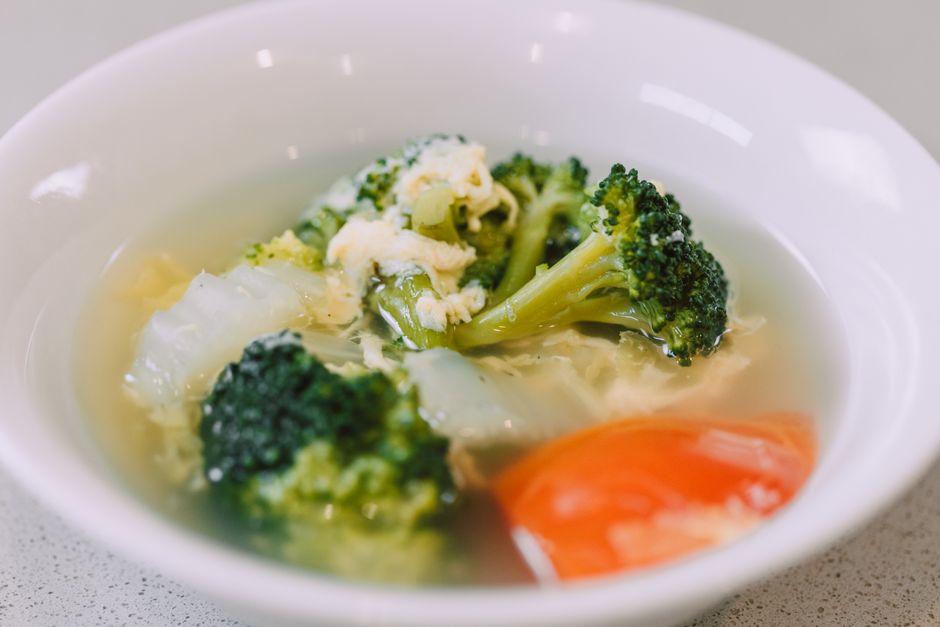
Soup can fit comfortably into everyday eating, whether you want a quick lunch, a relaxed dinner or a small starter. What matters is what the bowl contains and what you eat alongside it. A clear broth with a few vegetables serves a different purpose from a thick soup filled with beans, potatoes and chicken. Thinking about that difference helps you make soup a satisfying part of your diet.
Give your soup a clear role
Start by deciding whether soup is the whole meal or one part of it. A light vegetable soup might be a pleasant first course before something more substantial. For a main meal, you might want a fuller bowl with several ingredients, or a simple soup served with a sandwich. Neither approach needs to be complicated.
Consider your appetite and when you will next have a chance to eat. A small cup may suit a brief break, but it may not feel like enough for dinner. You can serve yourself more, add an accompaniment or save the remaining soup for another day. There is no single bowl size that suits everyone.
Look for ingredients that make a meal
Vegetables give soup colour, flavour and texture. When soup is your main meal, think about including a protein food and a starchy ingredient as well. You can put these in the pot or serve them alongside it. This is a useful cooking prompt rather than a rule you must follow for every bowl.
- Vegetables: carrots, tomatoes, courgettes, peas, leafy greens and frozen mixed vegetables all offer different possibilities.
- Protein foods: beans, lentils, tofu, eggs, fish and cooked poultry can give a soup more substance.
- Starchy ingredients: potatoes, pasta, rice or barley can become part of the soup, while bread works well alongside it.
- Finishing ingredients: a little olive oil, plain yoghurt or a suitable seed topping can add flavour and texture.
For example, a vegetable broth could become a main meal with tofu and noodles. A thick bean soup might need only some bread to accompany it. A smooth vegetable soup could work with an egg sandwich. Choose combinations you enjoy rather than trying to fit every possible ingredient into one pot.
Choose the texture you enjoy
Making a smooth soup
Blended soups are useful if you prefer an even texture. Cooked potatoes, beans or lentils can help create a thick base without making cream the main ingredient. Add liquid gradually so you can stop when the soup reaches the consistency you want. Remember that substantial ingredients can still be present even when you cannot see them.
Follow your blender’s instructions carefully when handling hot food. Some appliances are unsuitable for hot liquids, and steam can create pressure inside a sealed jug. Let the soup cool as directed and use equipment intended for the job. Keep hot containers away from the edge of the worktop.
Keeping some bite
If you prefer chunky soup, cut firm vegetables into similar sizes so they cook evenly. Add tender greens later to avoid overcooking them. You can also blend part of the cooked soup and stir it back into the rest. This gives a thicker base while keeping some pieces whole.
Use ready-made soup thoughtfully
Tinned, chilled, frozen and dried soups can be convenient options. Think about the contents of your actual portion rather than relying on the product name. A soup described as chicken or lentil may contain only a small amount of that ingredient. If it seems too light for your meal, add a suitable food or choose an accompaniment.
When comparing similar soups, check the salt information for the same quantity. Notice whether the label describes the product as sold or after preparation. This matters with condensed soups and dried mixes, which need liquid added. Follow preparation instructions rather than guessing. Extra water makes soup more dilute, but it does not remove salt from the batch.
Check allergens and dietary requirements too. A vegetable soup can contain milk, celery or wheat, and its name does not guarantee a vegan recipe. If you have a health condition, are pregnant or follow a prescribed diet, ask a GP or registered dietitian about choices suitable for your circumstances.
Keep accompaniments simple
What you serve beside soup can help turn it into the meal you want. Bread is a familiar choice, but a filled wrap, a small sandwich or another suitable side can work just as well. Consider what is already in the bowl before deciding what else to serve. A soup with noodles may need a different partner from a thin vegetable broth.
Toppings bring variety without requiring another recipe. Chopped herbs, plain yoghurt or toasted seeds can change the experience of a familiar bowl. Choose ingredients you can eat safely. Taste before adding salty toppings such as cheese, especially when you have used a seasoned stock or a ready-made soup.
Follow a flexible cooking sequence
You do not need a new recipe every time you make soup. A familiar method lets you adapt to what you have available. Start with combinations you know you like and change one ingredient at a time while you learn how different vegetables and pulses behave.
- Soften chopped onion, leek or another aromatic vegetable in a little oil without burning it.
- Add firmer vegetables and seasonings suited to your recipe.
- Add water or stock and ingredients that need longer cooking, following their preparation instructions.
- Simmer until the ingredients are properly cooked, adding quick-cooking foods later.
- Adjust the thickness and taste before adding more seasoning. Finish with herbs or a little lemon juice if you enjoy it.
Fully cooked canned beans are a convenient addition; drain and rinse them when appropriate. Dried beans require their own preparation and cooking instructions. Do not assume that a short simmer in soup will make them safe. If you include raw meat or poultry, follow a reliable recipe and ensure it is thoroughly cooked.
Make leftovers part of the plan
Before making a large pot, check that you have enough suitable containers and storage space. Follow local food safety guidance for cooling, refrigerating and reheating soup. Divide leftovers into smaller containers rather than leaving a large pot standing out. Label portions with their contents and preparation date, and freeze any you will not use within the recommended refrigerated storage period.
Reheat the amount you plan to eat and stir so it becomes steaming hot throughout. Follow package instructions for bought soup, including microwave standing times. Handle hot containers carefully and open them away from your face. If you take soup out with you, use a suitable food container and follow its instructions for safe use.
Find a few bowls worth repeating
Keep a small selection in rotation: perhaps a chunky bean soup, a smooth vegetable soup with an accompaniment, and a broth with noodles and protein. Vary the flavours when you want a change. If a bowl leaves you hungry, add more substance or serve a larger portion next time. Soup earns its place through being enjoyable, practical and satisfying.