Dance workouts for fun and fitness can begin with a favourite song and a few simple steps. You do not need performance skills, a partner or the confidence to stand at the front of a class. The aim is to move in ways you enjoy at a pace you can manage. This guide focuses on learning the rhythm, choosing approachable routines and making choreography feel less intimidating, whether you dance at home or join a group.
Choose a workout you want to follow
The music matters. A routine might look impressive, but if you dislike the soundtrack or find the pace frustrating, it may be difficult to enjoy. Start with music that makes you want to move, then look for instruction that matches your experience. A slower, clearly explained routine gives you room to learn before adding speed.
Class names do not always tell you how demanding a session will feel. Read the description for details about jumping, turns, floor work and how quickly new combinations appear. If possible, watch a preview. Look for an instructor who demonstrates simpler options and explains movements before expecting you to put them together.
- Repeated combinations: useful if you prefer learning a few movements and revisiting them.
- Follow-along dance: suitable if you enjoy copying a leader without memorising a full routine.
- Choreography classes: worth exploring if learning a sequence is part of the appeal.
- Seated dance: an option to explore with appropriate guidance if standing movement is difficult.
Make space for the movements
Before pressing play, check the area around you. Move loose rugs, trailing cables and small objects out of the way. Leave enough clearance to step sideways and reach your arms without hitting furniture. Keep pets and children outside your movement area while you are dancing, and put water somewhere you can reach without crossing your feet around obstacles.
Choose footwear that feels secure and suits the floor and activity. Test a few small steps first: you should not be sliding unexpectedly or struggling against excessive grip. Avoid fast pivots on a surface that catches your shoes. Wear clothes that let you move freely without hems dragging underfoot. Place your screen where you can see it without repeatedly twisting your neck.
Learn the feet before adding the flourish
Trying to copy feet, arms, hips and facial expressions at once can make a simple routine feel complicated. Begin with the feet. Let your arms hang comfortably or move naturally while you work out the direction of travel. Once the steps feel familiar, add one arm movement at a time. The instructor’s full expression is an invitation, not a requirement.
Build a small movement vocabulary
A few basic patterns give you something familiar to return to. Practise them slowly, using small steps and a comfortable range of movement. Keep your knees relaxed and avoid forcing a deep bend or exaggerated twist.
- Step-touch: step to one side, bring the other foot alongside it, then repeat in the opposite direction.
- March: take easy alternating steps in place, lifting your feet only as high as feels comfortable.
- Forward and back: take a small step forward, return, then repeat with control.
- Side taps: lightly tap one foot out to the side and bring it back before changing feet.
Use the beat as a guide
Listen before moving. Tap a hand or gently shift your weight to find the steady pulse underneath the singing. You can count along if that helps, but you do not have to analyse the music. If the routine moves too quickly, make your steps smaller or use a simple march until you recognise the pattern again.
Give yourself a way back into the routine
Missing a step is part of learning. Rather than rushing to catch up, return to a movement you know and watch for the next repeated section. You can also pause a video and practise a short combination without music. Learn the direction first, then try it with the track. Repeating the same routine is useful; novelty does not have to be the goal of every session.
Direction cues can be confusing when someone faces you on a screen. Check whether the instructor uses mirrored teaching, where their movement corresponds to the side you see. If you travel the opposite way, stay within your clear space and reset calmly. In a group class, following the room’s direction matters more, so keep steps small while you learn.
Adjust effort without abandoning the music
You can change how demanding a routine feels while keeping its character. Reduce the distance you travel, keep arm movements below shoulder height or replace a jump with a step. For a turn, try facing forward and stepping in place instead. Choose movements that feel controlled; matching every detail is less useful than being able to move comfortably.
Notice your breathing as well as the choreography. If you cannot speak comfortably, ease the pace or pause. Do not use the instructor’s energy or another participant’s speed as your target. Stop if you feel unwell, dizzy or experience pain. Chest pain, fainting or severe or unusual breathlessness calls for urgent medical attention.
If you have a health condition, an injury, are pregnant or are unsure about starting exercise, speak with your GP or a qualified exercise professional about suitable activities and adaptations. A general dance video cannot assess your individual needs.
Try a simple song-by-song session
A short playlist can provide structure without requiring a complicated programme. Pick familiar tracks and give each one a purpose. Let your available energy determine whether you continue; finishing the playlist is optional. Keep a pause button nearby when following a video.
- Ease into movement. Begin with gentle marching, small side steps and comfortable arm movements. Gradually increase your range as you feel ready.
- Practise a pattern. Choose step-touches or another familiar movement and repeat it to an easy beat.
- Follow one routine. Use the simpler options and return to marching whenever you lose the sequence.
- Repeat if you want. Revisit the same routine so you can recognise its changes without learning everything again.
- Finish gradually. Move to a gentler track, reduce your pace and allow your breathing to settle.
Bring beginner confidence into a class
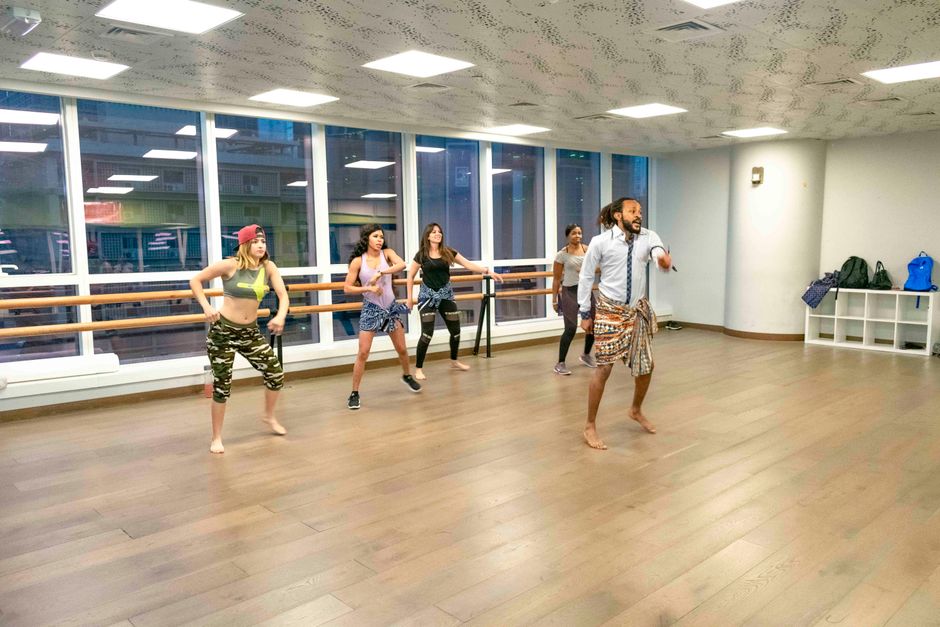
Arrive with enough time to tell the instructor you are new and ask about simpler versions of turns or jumps. Choose a place where you can see clearly while leaving other dancers room to move. You are allowed to pause, take a drink and skip a combination. An approachable class should leave space for different experience levels.
Afterwards, judge the experience by more than how accurately you copied the steps. Did you enjoy the music? Could you follow the cues? Were you comfortable asking for an alternative? Those answers can guide your next choice. Keep a favourite routine ready for days when learning something new feels like too much. Familiar steps and music you like are enough to make another dance session inviting.