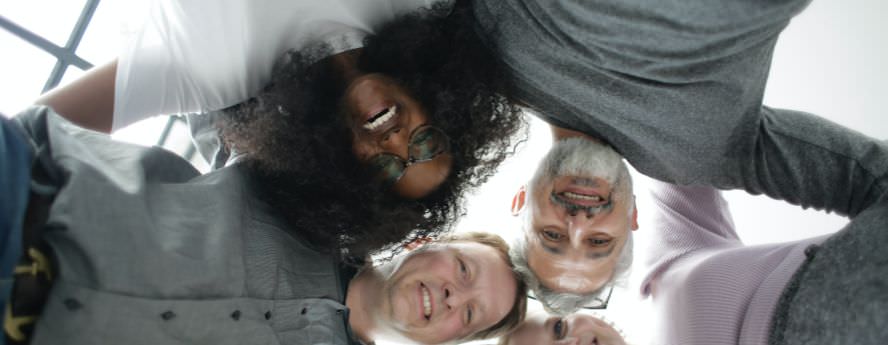
Mark turns 54 next month. His lower back aches after sitting through two Zoom meetings. He can’t keep up with his teenage daughter on a Saturday hike without stopping to catch his breath. He’s tried the 30-day detox, the keto challenge, and that app that promised six-pack abs in eight weeks. Nothing stuck. He’s tired of starting over.
This article is for Mark — and for you. It’s not another list of supplements to buy or a 28-day transformation challenge. It’s a no-BS look at what actually works for staying fit in your fifties, backed by research and free of marketing hype.
Why Your Body Changed (and Why That’s Not an Excuse)
Crossing 50 means your body plays by different rules. The same habits that kept you lean at 35 now produce different results. That’s not a failure. It’s biology.
Two big things happen: you lose muscle mass and your hormones shift. Sarcopenia — age-related muscle loss — kicks in around age 30 and accelerates after 50. You lose 3-8% of muscle mass per decade. Less muscle means a slower metabolism, weaker bones, and more fat gain even when you eat the same amount.
Testosterone drops in men by about 1% per year after 30. Women go through menopause, often between 45 and 55, which tanks estrogen and accelerates bone density loss. Your joints produce less synovial fluid. Recovery takes longer.
Here’s the part most articles skip: none of this means you’re broken. It means your training and nutrition need to change. The 30-year-old version of you could skip leg day for a month and still squat 225. The 55-year-old version cannot. So stop comparing yourself to your 25-year-old self. Compare yourself to the version of you that doesn’t move at all.
The single biggest predictor of how well you age is your current muscle mass and cardiovascular fitness. Not your genetics. Not your supplement stack. What you do right now.
The Three Pillars of Fitness After 50 (No Fluff)
You can ignore everything else if you nail these three things. Seriously. Everything else is a nice-to-have.
Pillar 1: Strength Training — 2-3 Times Per Week
This is non-negotiable. Strength training is the single most effective intervention for maintaining muscle mass, bone density, and metabolic health after 50. Cardio alone won’t cut it. Walking alone won’t cut it. You need progressive overload — lifting heavier or doing more reps over time.
What to do:
- Compound lifts: squats, deadlifts, bench press, rows, overhead press. These work multiple muscle groups at once.
- Start with bodyweight or light dumbbells if you’re new. Aim for 2-3 sets of 8-12 reps per exercise.
- Rest 90 seconds between sets. Your recovery needs the extra time.
- Increase weight only when you can complete all reps with good form.
Common mistake: lifting too light and never progressing. If you can do 15 reps easily, the weight is too light. Bump it up.
Real example: A 2026 study in Medicine & Science in Sports & Exercise found that adults over 50 who did two strength sessions per week for 12 weeks gained an average of 2.4 pounds of lean muscle and lost 3.2 pounds of fat. No cardio. No diet changes.
Pillar 2: Zone 2 Cardio — 3-4 Times Per Week
Not HIIT. Not sprinting. Zone 2 cardio is steady-state exercise at a pace where you can hold a conversation but you’re slightly out of breath. Think brisk walking, cycling at a moderate pace, swimming laps, or using an elliptical.
Why Zone 2 matters: it improves your mitochondria — the energy factories in your cells. More and better mitochondria = better energy, better fat burning, lower inflammation. It also builds your aerobic base without hammering your joints.
How to do it: 30-45 minutes per session. Heart rate around 120-140 bpm for most people (or roughly 65-75% of your max heart rate). If you can sing, go harder. If you can’t speak, slow down.
Pillar 3: Mobility Work — 10 Minutes Daily
This is the one most people skip. Then they wonder why their shoulders hurt when they reach overhead or why their hips feel tight after sitting.
Mobility is not stretching. It’s active movement through a full range of motion. Focus on: hip openers (deep squats, lunges with rotation), thoracic spine rotations, ankle dorsiflexion (knees-over-toes work), and shoulder mobility (band pull-aparts, wall slides).
Ten minutes a day. That’s it. Do it before your workout or after your morning coffee.
Nutrition: What to Eat (and What to Ignore)
You don’t need a meal plan from a celebrity trainer. You need three numbers right.
| Nutrient | Why It Matters After 50 | Target (Daily) |
|---|---|---|
| Protein | Muscle protein synthesis slows with age. You need more protein to trigger the same muscle-building response. Without enough, you lose muscle even if you lift weights. | 1.2-1.6 grams per kilogram of body weight. A 180-lb (82 kg) person needs 98-131 grams per day. |
| Fiber | Digestive motility slows. Fiber keeps things moving, stabilizes blood sugar, and lowers cholesterol. | 25-35 grams per day. Most Americans get half that. |
| Calcium + Vitamin D | Bone density drops. Calcium and D are the primary defense against osteoporosis and fractures. | 1,000-1,200 mg calcium (from food, not pills). 600-800 IU vitamin D. Get D from sun or supplement; food sources are limited. |
What to ignore: collagen peptides, greens powders, adaptogens, detox teas, alkaline water, and anything that promises to “balance your hormones” in a bottle. None of these have meaningful evidence for healthy adults over 50. Save your money for better groceries or a decent pair of walking shoes.
What to actually do:
- Eat protein at every meal. Eggs at breakfast, chicken or fish at lunch, Greek yogurt or cottage cheese as a snack.
- Get fiber from whole foods: oats, beans, lentils, berries, broccoli, nuts.
- Drink water. Thirst perception dulls with age. Aim for 2-3 liters per day. More if you exercise.
- Cut added sugar. Not because it’s “toxic” but because it displaces nutrient-dense foods and spikes inflammation markers.
Sleep: The Overlooked Recovery Tool
This section is short because the advice is simple. If you’re not sleeping 7-8 hours per night, almost nothing else matters.
Sleep is when your body repairs muscle tissue, consolidates memories, clears metabolic waste from the brain, and regulates hunger hormones (ghrelin and leptin). Skimp on sleep and your cortisol stays elevated, your insulin sensitivity drops, and your recovery from workouts plummets.
After 50, sleep quality naturally declines. Less deep sleep, more nighttime awakenings. But you can fight back:
- Same bedtime and wake time every day. Yes, weekends too.
- No screens 60 minutes before bed. Blue light suppresses melatonin.
- Keep your bedroom cool — 65-68°F (18-20°C).
- No alcohol within 3 hours of bedtime. It fragments sleep even if it helps you fall asleep faster.
- If you wake up and can’t fall back asleep in 20 minutes, get out of bed. Read a physical book in dim light until you feel sleepy again.
Failure mode: relying on melatonin supplements. They work for jet lag, not chronic insomnia. The dose in most pills (5-10 mg) is 10-20 times what your body naturally produces. They can cause grogginess the next day and mess with your natural production long-term.
Common Mistakes That Sabotage Your Progress
I’ve watched friends in their 50s make the same mistakes over and over. Here are the four that kill the most progress.
1. Doing too much too fast. You’re not 25. Jumping into CrossFit five days a week after a decade of sedentary living is a fast track to injury. Start with 3 strength sessions and 3 Zone 2 cardio sessions per week. That’s 6 hours total. Do that consistently for 3 months before adding anything.
2. Ignoring joint pain. A little soreness is fine. Sharp pain that persists after a workout is not. If your knee hurts when you squat, don’t squat through it. Find an alternative — leg press, step-ups, or split squats — and address the root cause (weak glutes, tight hips, poor ankle mobility).
3. Starving yourself to lose weight. Severe calorie restriction after 50 accelerates muscle loss. You’ll lose weight on the scale, but a lot of it will be muscle. Your metabolism slows further, and you regain the fat when you start eating normally. Aim for a modest deficit of 300-500 calories per day, with high protein intake to preserve muscle.
4. Thinking supplements replace food. No powder, pill, or potion replaces whole foods. Whey protein is a convenient tool, not a magic bullet. Creatine has solid evidence for muscle and brain health in older adults. Vitamin D is worth supplementing if your levels are low (get tested). Everything else is probably a waste of money.
When to See a Professional (and When Not To)
You don’t need a personal trainer to get fit in your fifties. But there are three situations where paying a pro is the smartest money you’ll spend.
Hire a physical therapist if: you have chronic joint pain, a history of injury, or you’re recovering from surgery. A PT will identify movement compensations and give you specific exercises to fix them. One session can save you months of trial and error.
Hire a registered dietitian (not a nutrition coach) if: you have a medical condition (diabetes, high blood pressure, kidney disease) or you’re taking medications that interact with food. A dietitian can work with your doctor to create a safe eating plan. Most insurance covers at least a few sessions.
Hire a certified personal trainer with a specialty in older adults if: you’ve never lifted weights before and you don’t know where to start. Look for certifications from NSCA, ACSM, or NASM. Avoid trainers who push high-intensity boot camps on day one.
You don’t need: a functional medicine doctor selling $200 blood panels, a biohacker selling red light therapy memberships, or a “hormone specialist” pushing testosterone replacement without a clear clinical deficiency. These are expensive distractions from the basics.
Mark started with three strength sessions per week at his local YMCA. Bodyweight squats, push-ups against a bench, rows with resistance bands. He added 20-minute walks on his lunch break. Six months later, his back pain is gone. He hikes with his daughter without stopping. He doesn’t feel younger — he feels capable. That’s the goal.
Medical Disclaimer: This content is for informational purposes only and does not constitute medical advice. Always consult a qualified healthcare professional before making health-related decisions.