Summer can leave your exercise routine looking different from the one you had before it. Travel, visitors, school holidays and relaxed evenings may have shifted regular sessions out of place. You might have stayed active through swimming, sightseeing or gardening, yet feel unsure about returning to structured workouts. Back-to-routine fitness after summer starts with recognising that change, then finding a sensible bridge between what you do now and what you want to resume.
You do not need to make up for missed sessions or erase a holiday. The useful task is to revisit your old routine, check whether it still fits and restart at a level you can manage comfortably.
Take stock of the summer you actually had
Before opening an old training plan, think about your recent activity. A summer spent walking around unfamiliar cities is different from one spent mostly sitting during long journeys. Neither tells the whole story of your readiness for a particular workout. Being comfortable on long walks does not necessarily mean your previous running pace or lifting load will feel familiar.
Separate everyday movement from the activities you want to bring back. Notice which movements you have continued, which you have paused and whether anything now feels uncomfortable. This gives you a more useful starting point than judging yourself against your busiest training period.
- Which activities have you done regularly over the summer?
- Which planned sessions have been absent or occasional?
- Have your working hours, caring responsibilities or travel arrangements changed?
- Is there any pain, recent illness or other concern to address before returning?
If you have a health condition, an injury, are pregnant or are unsure about starting exercise again, speak with your GP or a qualified professional for advice suited to you.
Edit your old routine before restarting it
A previous timetable can be a useful reference, but it is not an obligation. Perhaps an evening class now clashes with collecting children, or your former gym session leaves too little time for the commute. Trying to force that arrangement back into place can make the return feel unnecessarily difficult.
Look at each former session and decide whether to keep it, shorten it, move it or leave it out for now. Preserve the parts you enjoyed and reconsider the ones you attended only out of habit. Returning after summer is a chance to make your routine more suitable, rather than simply more demanding.
Check the practical details
Confirm that classes still run at the expected times and that booking arrangements suit your schedule. Find your swimming kit, check that your shoes remain comfortable and inspect any equipment you plan to use. Small practical obstacles are easier to resolve before the moment you intend to exercise.
Make the first sessions a comfortable reintroduction
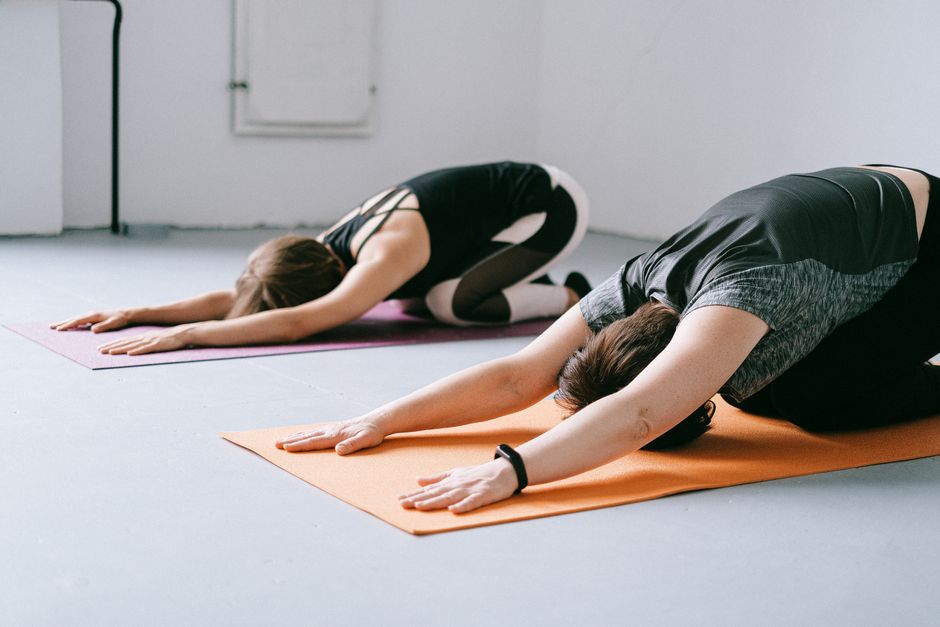
Choose familiar activities for your initial return. The aim is to find out how they feel now, rather than prove that nothing has changed. Begin more gently than your former routine, particularly if the activity has been missing for a while. Finish feeling that you could have done a little more.
For a return to the gym, that might mean fewer exercises and lighter resistance. For a familiar walking route, it might mean a shorter loop without the steep section. If you return to a class, tell the instructor you have had a break and ask about suitable options before it begins.
Start each session gently and build into the activity. During steady aerobic exercise, use your breathing as a practical guide: being able to speak in sentences can help you judge whether the effort feels manageable. Avoid chasing an old pace just because it appears in your activity history.
Use a return sequence instead of a catch-up week
Putting every missed activity into the same week creates a crowded restart. A more manageable approach is to bring sessions back in a deliberate order. Start with the activity that feels easiest to return to, then assess how it fits alongside your other commitments.
- Choose an anchor session. Pick one familiar activity with a clear place in your diary.
- Repeat a manageable version. Give yourself another opportunity to see whether the effort and timing work.
- Review the following day. Notice your energy, comfort and ability to manage normal tasks.
- Add another element when ready. Bring back another session or extend an existing one modestly.
This sequence is flexible. You may need to repeat a stage, simplify it or pause after illness. There is no deadline for restoring the exact routine you had before summer.
Change one part of training at a time
Once sessions feel manageable, resist increasing everything together. Duration, frequency and difficulty are different demands. If you make a session longer, keep its effort comfortable while you see how you respond. If you add another day, avoid also making every workout harder.
For resistance exercise, choose loads you can control with steady technique. Ask a qualified instructor for help if a movement feels unfamiliar. For activities involving impact or rapid direction changes, take particular care when returning after a break and seek guidance if you are uncertain.
Mild muscle soreness can occur after unfamiliar activity, but soreness is not a target. Reduce the demand if discomfort interferes with normal movement. Stop for sharp pain, dizziness or feeling unwell. Seek urgent medical help for chest pain, fainting or severe or unusual breathlessness.
Bridge the gap between holiday life and ordinary days
A workout can look manageable on paper and still feel awkward when the rest of your day has changed. Plan the transition around it: when you will change clothes, how you will get there and what happens afterwards. Allow space for eating, washing and travelling rather than treating exercise time as the only time required.
Keep food and hydration straightforward. Eat regular meals, have water available and avoid treating exercise as repayment for holiday eating. If you return home hungry after a session, knowing what you will eat can make the evening easier to manage.
Build in an alternative for predictable disruptions. If the first week back includes an appointment during your usual class, decide beforehand whether you will move that session or simply resume at the next opportunity. Missing one appointment with exercise does not require doubling the next one.
Review the fit before adding more
After several sessions, ask what the return has taught you. Did the activity feel manageable? Was getting there straightforward? Did the session leave enough room for the rest of your day? These questions help you distinguish a training issue from a timetable problem.
Keep brief notes if useful, recording the activity, how it felt and any practical obstacle. You do not need a detailed tracking system. Use what you notice to make a specific adjustment, such as shortening a session or choosing a quieter class. Let your routine settle into ordinary life, with enough flexibility to keep returning when plans change.