Trail running changes the questions you ask during a run. Instead of wondering how quickly you can cover a familiar pavement route, you start noticing where to place your feet, which path to follow and when walking makes more sense. For a beginner, that change is the starting point: treat the trail as something to learn, rather than a road run with different scenery.
Your first outings can be short, gentle and close to home. The aim is to finish with a better feel for the ground and enough energy to return comfortably. You do not need remote hills, fast descents or an ambitious distance to begin.
Choose a trail you can understand before you arrive
Look for a clearly marked route with a firm surface, gentle slopes and straightforward access. A local park trail or maintained woodland path can offer plenty to practise. Avoid making your first outing a steep, isolated route with exposed edges, difficult stream crossings or sections that require scrambling.
Check more than distance. A short route can still involve substantial climbing, loose stones or confusing junctions. Read the route description, check official access information and look at the elevation profile if available. Choose somewhere with a simple option to shorten the outing.
A familiar walking route is a useful starting place. Walking it first lets you notice slippery sections, gates and landmarks without also managing the effort of running. Trail difficulty labels vary between places, so use the description and your own judgement alongside any rating.
Plan around time and effort, rather than pace
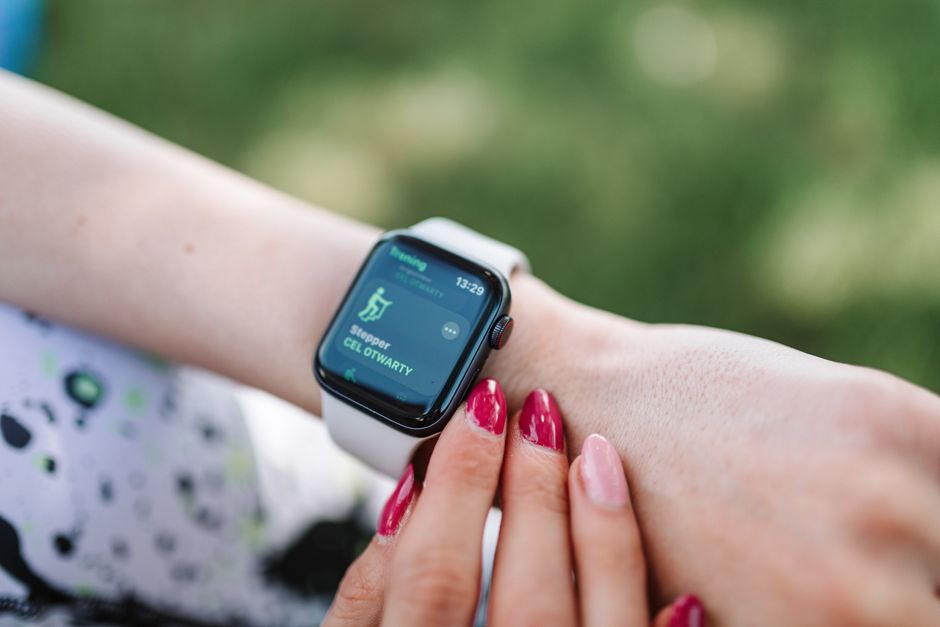
Road pace is a poor target on uneven ground. Roots, bends, slopes and narrow paths all change how quickly you can move comfortably. Put your watch display away if it encourages you to chase a speed that does not suit the surface.
Start with easy running on the simplest sections and walk whenever the terrain becomes demanding. You should have enough breathing room to speak in sentences during the easier parts. If you are gasping or struggling to place your feet accurately, slow down or walk.
For an out-and-back route, turn around while you still feel comfortable. The return journey can feel harder when you are tired, even if it is mostly downhill. Leave room in your plan for checking directions and negotiating obstacles.
Let the ground guide your movement
Look ahead and keep checking your footing
Scan the path ahead, then bring your attention back to the ground nearer your feet. This helps you notice bends and approaching obstacles while still choosing your next steps. Avoid staring continuously at one root or looking so far ahead that you miss what is directly in front of you.
Use shorter, comfortable steps when the surface becomes uneven. Give yourself permission to slow down before wet leaves, loose gravel or tangled roots. Stop somewhere safe if you want to admire a view, check a map or adjust clothing.
Walk uphill before you become exhausted
Walking a climb is a normal trail-running choice. Start walking early enough that you can keep moving steadily and remain aware of your footing. Resume easy running when the slope eases and your breathing settles. There is no need to prove you can run every section.
Keep descents controlled
Downhill sections can demand more attention than climbs. Reduce speed before the slope steepens, keep your steps manageable and avoid stretching your foot far ahead to reach the next landing. Walk any descent that feels beyond your control. Practise on gentle slopes before considering steeper ground.
Use clothing and footwear that suit the conditions
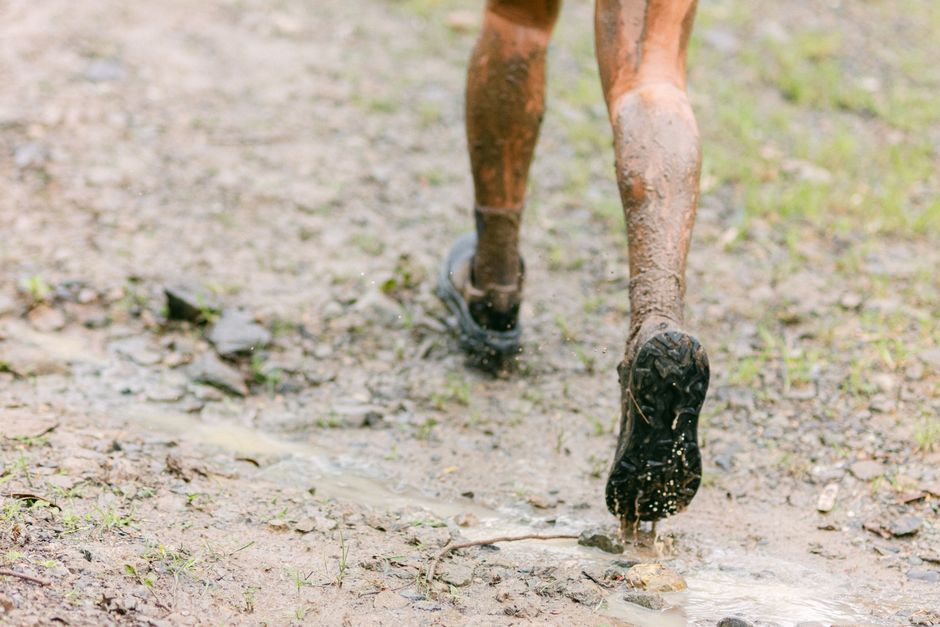
Choose shoes that fit securely without squeezing your toes, and check that the soles are in good condition. The grip you need depends on the surface. Shoes that feel dependable on a dry, smooth park path may be unsuitable for mud or loose, rocky ground. If your footing feels unreliable, change the route or walk.
Try socks and clothing on an easy outing before taking them farther from home. Check for rubbing, slipping heels and waistbands that move when you run. Tie laces securely and tuck away loose ends that might catch.
Dress for the weather and carry an extra layer when conditions could change. Consider how you would stay comfortable if you had to stop or walk back. Keep essentials in secure pockets or a small pack that does not bounce excessively.
Make a simple plan for navigation and safety
Tell someone where you are going and when you expect to return, particularly if you will be alone. Take a charged phone, but remember that reception and batteries can fail. Save the route for offline use and understand how to follow it before setting off. For unfamiliar or more remote terrain, develop suitable navigation skills first.
- Check the weather, daylight and any trail closures before leaving.
- Carry water appropriate to the conditions, with extra allowance for delays.
- Bring a familiar snack if the outing could extend beyond your usual mealtime.
- Know the local emergency number and how to describe your location.
- Choose a companion or beginner group if you would feel more confident with support.
At an uncertain junction, stop and check your position instead of guessing while moving. Retrace your steps to a known point if needed. Turn back if visibility, weather or the condition of the path makes the route unsuitable. An early finish is a sensible decision.
Share the path with care
Check whether running is permitted and follow local rules about access and right of way. Slow down around walkers, children, dogs and horses. Make your presence known calmly, allow space and be ready to stop. When passing horses, follow the rider’s guidance.
Stay on established paths and respect closures. Avoid widening a muddy trail by running across fragile ground beside it; choose another route when conditions are unsuitable. Take litter home, leave gates as directed and give wildlife plenty of space.
Build familiarity before adding difficulty
Repeat the same easy trail while you learn how it feels in different conditions. Progress might mean recognising a junction, walking a hill comfortably or finishing without feeling rushed. These are useful achievements even when your pace stays the same.
When the outing feels manageable and you recover comfortably, change one feature at a time. You could stay out a little longer or choose a route with slightly more climbing. Avoid increasing duration, speed and technical difficulty together. Leave easier days between demanding outings.
If you have a health condition, an injury, are pregnant or are unsure about starting exercise, speak with your GP or an appropriately qualified professional. Stop if you develop pain that changes your movement or feel unwell, and seek appropriate advice. Choose your next trail around what feels manageable now, with enough margin to enjoy finding your way.