The end of a workout can feel like a race to the next thing: close the exercise app, grab your bag and get on with your day. A cool-down gives you a gentler finish. It creates a short transition from working hard to moving comfortably. You can keep it simple, adapt it to the activity you have just done and leave out movements that do not feel right.
Make the finish part of your workout
Think of your cool-down as the final stage of the session. The main task is to reduce effort gradually, then decide whether a little comfortable stretching would suit you. You do not need equipment, a complicated sequence or a stretch for every muscle.
Plan your stopping point before you begin exercising. On a run, choose a finishing stretch of level pavement where you can walk. At the gym, leave time to move easily before heading to the changing room. At home, clear enough space to take a few relaxed steps.
Keep expectations practical. A cool-down is a way to finish deliberately, rather than a promise that you will avoid soreness or be ready for another hard session. Resist turning it into a flexibility challenge or an extra workout.
Start by reducing the effort
After your final hard effort, move into an easier version of the activity when it is safe and comfortable to do so. Shorten your stride, lower the resistance or reduce the pace. Let your breathing settle without forcing it into a particular rhythm.
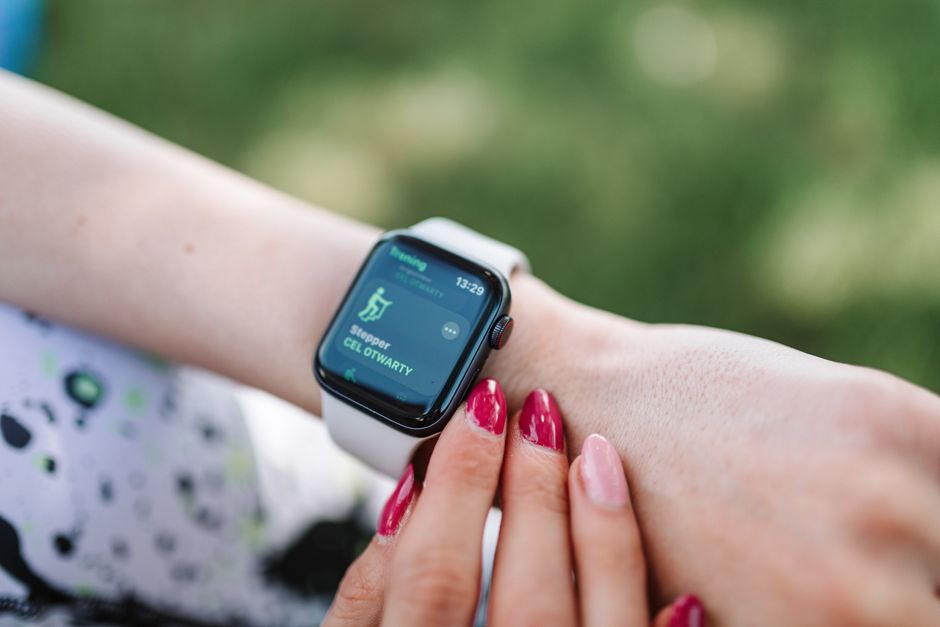
Use how you feel as a guide. Easy movement should become less demanding, and talking should feel comfortable again. There is no need to chase a particular heart-rate reading or keep moving until a watch announces that you are finished.
- After running: ease into a comfortable walk on an even surface.
- After cycling: pedal gently with light resistance before stopping somewhere safe.
- After a dance or cardio session: switch from large, quick movements to small steps and relaxed arm movements.
- After strength exercises: put the weights down securely, then take an easy walk around the room.
Do not use these suggestions as a reason to push through feeling unwell. If you feel faint or unsteady, stop exercising and get into a safe position rather than trying to complete a walking routine.
Add stretching only if it feels comfortable
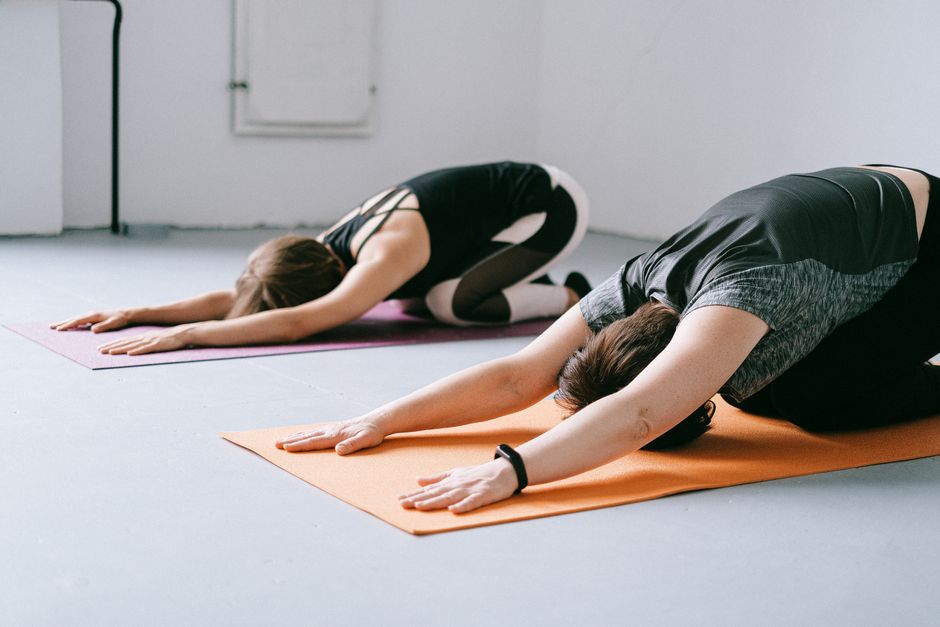
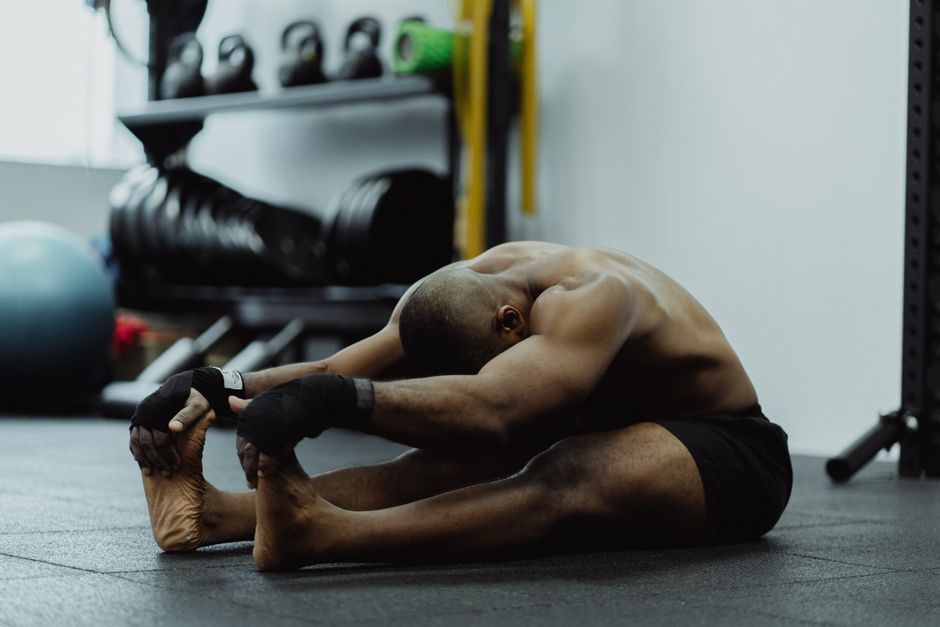
Once the pace has come down, you might choose a few gentle stretches for areas that have worked. Stretching is optional; you do not have to follow a full sequence after every session. Choose positions you can enter and leave easily.
Move slowly until you notice mild tension, then stay within a comfortable range while breathing normally. Avoid bouncing, pulling hard or asking someone else to push you further. Ease out if you feel pain, tingling, numbness or a pinching sensation.
A supported calf stretch
Stand facing a wall and place your hands against it. Step one foot back, keeping that heel down and the toes pointing forward. Gently bend the front knee until you notice a mild stretch in the back calf. Keep your stance short enough to feel steady, then change sides.
A seated stretch for the back of the thigh
Sit near the front of a stable chair that cannot roll. Extend one leg with the heel resting on the floor and keep the other foot planted. With your back comfortably long, tip forward slightly from your hips. You do not need to reach your toes. Return upright slowly and repeat on the other side.
A gentle shoulder stretch
Bring one arm across the front of your body at a comfortable height. Use the other hand to support the upper arm without pressing on the elbow. Keep your shoulders relaxed and avoid twisting to increase the stretch. Release gently before switching arms.
If a stretch feels awkward, skip it. A qualified exercise professional can help you find suitable alternatives, particularly if getting to the floor or maintaining balance is difficult.
Match your routine to the session
After walking or running
Finish with easy walking, gradually making your steps more relaxed. If you want to stretch afterwards, choose a supported calf stretch or the seated thigh stretch. Avoid stopping in a cycle lane, on a crowded path or near traffic while you concentrate on your movements.
After a strength workout
Once your equipment is safely stored, walk gently and allow your grip and shoulders to relax. Choose comfortable movements for the areas you trained. After a demanding leg session, for example, a seated stretch may be easier to control than balancing on one foot. Do not add loaded exercises to make the cool-down feel more productive.
After a home cardio class
Reduce jumps to steps, make arm movements smaller and slow the rhythm. Keep enough room around you to move without tripping over a mat or nearby furniture. If the class ends suddenly, you can continue with your own easy steps before choosing any stretches.
After swimming
If space and pool rules allow, finish with comfortable, unhurried swimming rather than another hard length. Use the steps or ladder carefully when leaving the water. Save any standing stretches for a dry, stable area away from the pool edge.
Keep a short version for busy days
A routine you can remember is easier to use when you are tired or short of time. Choose this simple order and adapt the movements to your session:
- Reduce your pace or resistance until the activity feels easy.
- Continue with comfortable movement as your breathing settles.
- If you wish, choose one or two gentle, supported stretches.
- Finish in a steady position and check how you feel before leaving.
If your schedule is tight, shorten the main workout slightly to leave room for a gradual finish. You can also skip optional stretches. Avoid rushing through deep positions just to tick them off a list.
Adapt the routine to your needs
If a movement causes pain or you feel unwell, stop rather than trying to finish the sequence. Ask your GP about symptoms that occur during or after exercise. If you have a health condition, an injury, are pregnant or are unsure about starting new exercise, seek guidance from your GP or a qualified professional.
Follow any individual advice about how to finish your sessions, including advice about changing positions or getting off equipment. For everyday workouts, keep your finishing routine familiar and flexible. Reduce the effort, move comfortably and stretch only where it suits you. Aim for a manageable transition into the rest of your day.