Core strength exercises for beginners can start with small, controlled movements rather than long planks or endless sit-ups. The useful skill is learning to keep your trunk steady while your arms or legs move, without holding your breath or straining. This guide focuses on that starting point: choosing manageable exercises, noticing when control slips, and making each movement easier or harder to suit you.
What you are practising
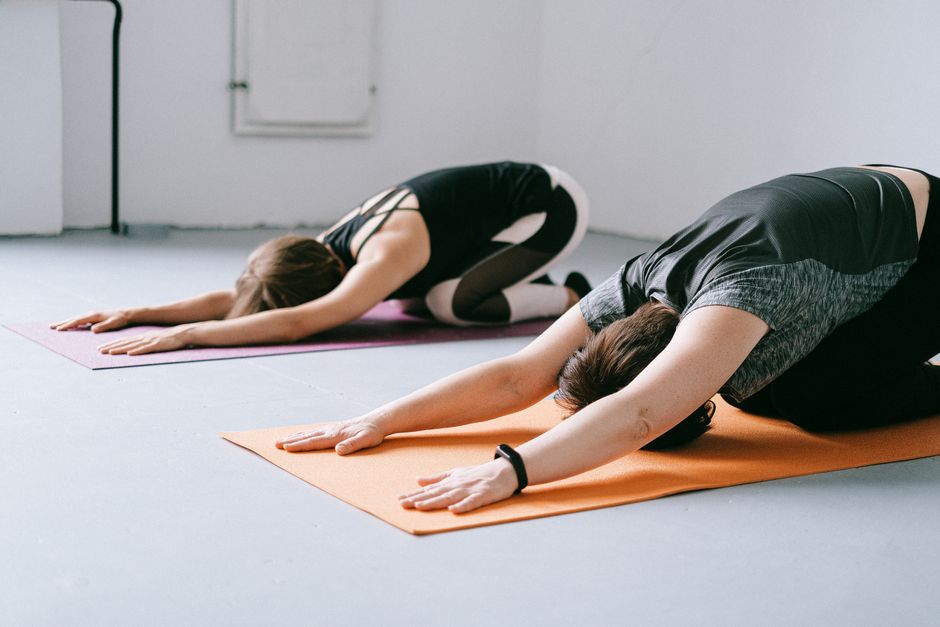
Your core includes muscles around your abdomen, back and pelvis. They work together as you move, carry things and change position. A beginner session does not need to isolate every muscle. Instead, practise a few different ways of controlling your trunk: lying down, supporting yourself on hands and knees, and pushing against a wall.
You do not need to keep your stomach tightly pulled in throughout the day. During an exercise, use a gentle amount of tension, as though preparing for a light nudge, while continuing to breathe. Your effort should match the task. If you cannot breathe comfortably, make the exercise easier or stop to reset.
Set up a comfortable starting point
Choose a clear space and a firm, comfortable surface. A mat can cushion knees and elbows, but avoid anything that slides. For wall exercises, use a solid wall and check that your feet have good grip. Wear clothing that lets you move freely.
Before starting, walk around for a few minutes and gently move your shoulders and hips. Then try the starting positions without adding repetitions. If getting down to or up from the floor is difficult, choose the wall exercise and ask a qualified exercise professional about suitable alternatives.
If you have a health condition, a current injury, recent surgery, or are pregnant or recovering after birth, ask your GP or an appropriately qualified professional about suitable exercise. Get advice before beginning if you are unsure whether these movements are appropriate for you. This routine is general fitness guidance, not a rehabilitation programme.
Five exercises to learn slowly
1. Gentle abdominal brace with breathing
Use this as a brief practice in coordinating breathing and effort. You are looking for mild tension around your middle, not the strongest contraction you can produce.
- Lie on your back with your knees bent and feet resting on the floor, about hip-width apart.
- Let your shoulders settle and keep your neck comfortable.
- Breathe out gently and lightly firm your abdominal muscles.
- Maintain that gentle effort for another comfortable breath, then relax completely.
Repeat three or four times. Keep the natural, comfortable shape of your back rather than pressing it forcefully into the floor. If your jaw tightens or your breathing becomes shallow, reduce the effort.
2. Heel slide
A heel slide adds leg movement while the floor supports your body. The distance your heel travels matters less than whether you can move smoothly.
- Start on your back with both knees bent and feet on the floor.
- Gently firm your middle while breathing normally.
- Slowly slide one heel away from you, keeping it in contact with the floor.
- Stop before your pelvis shifts or your back position changes noticeably.
- Slide the heel back and repeat with the other leg.
Try four controlled repetitions on each side. Shorten the slide if you feel yourself arching or twisting. You can pause between repetitions to release tension and find your starting position again.
3. Bent-knee opening
This exercise asks you to keep your pelvis fairly still as one knee moves to the side. It is a small movement, so avoid treating it as a stretch or trying to reach the floor.
- Stay on your back with your knees bent and feet resting comfortably apart.
- Place your fingertips lightly on the front of your pelvis to notice movement.
- Let one knee open a short distance to the side while keeping the other leg still.
- Bring the knee back slowly and switch sides.
Begin with four repetitions per side. If your whole pelvis rolls with the knee, reduce the range. Your hands provide feedback; they should not push your hips down.
4. Hands-and-knees arm reach
Start with one moving limb before attempting a full bird dog, which combines an arm and the opposite leg. A simple arm reach gives you room to learn the position.
- Position your hands beneath your shoulders and knees beneath your hips.
- Look down between your hands, keeping your neck in line with your back.
- Gently firm your middle and slide one hand forward along the floor.
- If you remain steady, lift that hand slightly, then return it slowly.
- Reset before repeating on the other side.
Try three or four reaches per arm. Keep both knees down and avoid shifting your body far sideways. If your wrists or knees are uncomfortable, stop and choose a comfortable alternative rather than pushing through.
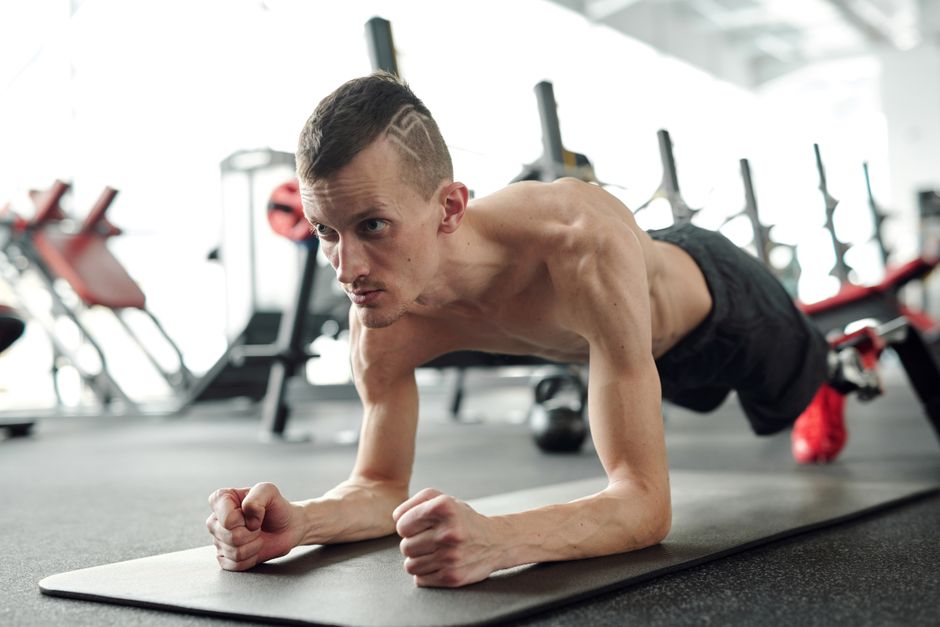
5. Wall plank
A wall plank lets you practise maintaining a steady trunk in an upright position. You can adjust the challenge by changing how far your feet stand from the wall.
- Face a wall and place your palms against it at about shoulder height.
- Step back a small distance, keeping your feet secure.
- Lean towards your hands with your body in a comfortable straight line.
- Gently firm your middle without letting your hips sag or pushing your bottom backwards.
- Hold for two or three easy breaths, then step forward to release.
Repeat two or three times. Stand closer to the wall if you struggle to breathe normally or feel your lower back taking over. Keep your shoulders relaxed rather than shrugging towards your ears.
Turn the exercises into a manageable session
For your first sessions, choose three exercises rather than doing everything. You might combine breathing practice, heel slides and wall planks. Complete one round, resting between exercises until you feel ready to continue. Begin with two short sessions on separate days each week, adjusting to your comfort and other activity.
Finish each set while you can still control the movement. Shaking, rushing or holding your breath are reasons to pause, not targets to chase. You can repeat the same modest session several times before deciding whether to add more.
Progress by changing one thing
When an exercise feels consistently comfortable and controlled, add a repetition or slightly increase the movement range. For a wall plank, you could add one relaxed breath. Change only one detail at a time so you can judge how it feels.
Progress can also mean needing fewer reminders to breathe, moving with less wobbling, or returning smoothly to the starting position. You do not have to advance to floor planks to make your practice worthwhile.
Know when to pause
Muscular effort is different from pain. Stop if you develop sharp pain, dizziness, chest discomfort or unusual breathlessness, and seek appropriate medical advice. Persistent back, abdominal or pelvic symptoms also deserve professional assessment rather than repeated attempts to exercise through them.
Keep a brief note of which exercises felt comfortable and where you shortened the movement. Use that information at your next session. A repeatable routine that leaves you feeling capable is a useful place to build from.