Foam rolling gives you a way to apply gentle pressure to broad areas of muscle using your own body weight. Getting started is less about learning an elaborate routine and more about finding positions you can control. You should be able to breathe easily, adjust the pressure and move away from the roller whenever you want.
This guide focuses on those practical skills. You do not need to roll every muscle after every workout, and discomfort is not a measure of success. Keep your first attempts simple, choose comfortable areas and treat rolling as an optional part of your recovery routine.
Set a sensible aim
Approach foam rolling as a short practice in controlled movement and pressure. It is not a way to diagnose an injury or decide why a muscle hurts. Avoid thinking of every tender spot as a knot that needs to be crushed.
You might enjoy gentle rolling, or you might find it awkward and unhelpful. Either response can guide your choice about continuing. You do not need to make a muscle feel completely different before stopping, and you should not aim to feel sore afterwards.
Choose a manageable setup
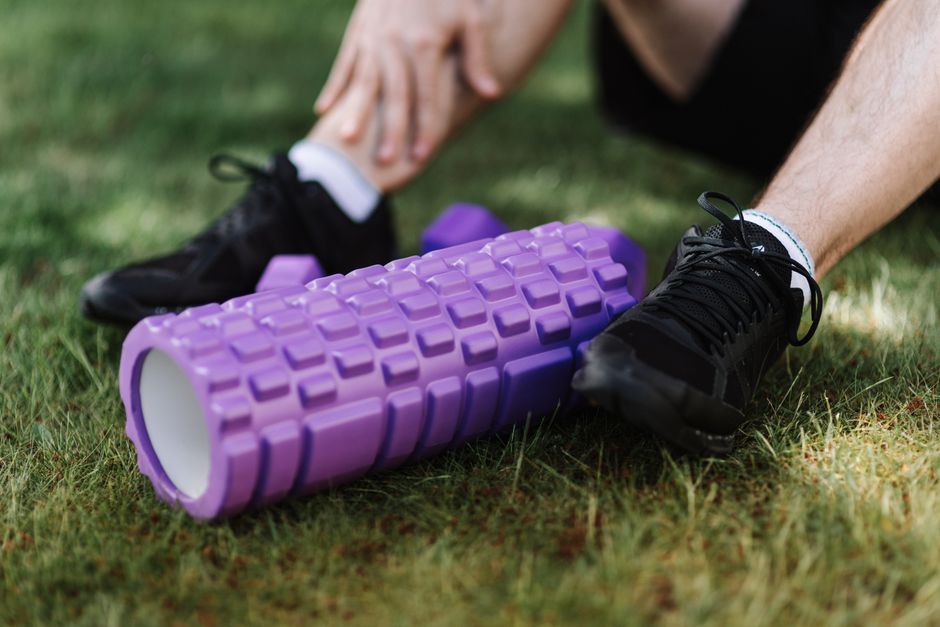
A smooth roller with some give is a straightforward starting point. Very firm rollers and pronounced ridges can make pressure harder to manage. Start with equipment that lets you explore gentle contact without needing to tolerate an intense sensation.
Consider the space around you as well. You need enough room to place your hands and feet securely and get off the roller easily. A longer roller offers more positioning space, while a shorter one may be easier to store.
- Use a clear, level floor away from furniture edges.
- Choose a surface where your supporting hands and feet will not slide.
- Wear comfortable clothing without bulky seams beneath the rolling area.
- Check that the roller is clean, dry and intact.
Decide whether to roll today
Leave bruised, swollen, injured or broken skin alone. Do not use the roller to investigate sharp pain or an unexplained painful patch. New or persistent symptoms are reasons to seek advice rather than repeatedly pressing the area.
Check with a GP or physiotherapist before trying foam rolling if you have an injury, recent surgery, reduced sensation or a health condition that could affect its safety. Ask for individual advice during pregnancy. If you take medicines that make bruising more likely, a GP or pharmacist can advise whether rolling is appropriate.
If you are unsure about beginning a new exercise routine, speak with a GP or qualified exercise professional. Foam rolling cannot make an unsuitable workout appropriate or replace advice about symptoms.
Practise pressure control first
Place a comfortable, fleshy muscle area on the roller while keeping most of your weight supported by your hands and feet. Pause before moving. Notice whether you can breathe normally and whether your supporting joints feel comfortable.
Your hands, feet and supporting leg are the controls. Putting more weight through them reduces the weight resting on the roller. If you cannot lighten the pressure easily, change position or leave that exercise out.
Keep sensations comfortable
A mild sense of pressure is enough for a first attempt. Pain is a reason to ease off. Stop if you notice sharpness, burning, tingling, numbness or a sensation travelling along a limb. Do not return repeatedly to a spot that produces those feelings.
Holding your breath, clenching your jaw or bracing hard can also mean the position is too demanding. Come off the roller, reset and decide whether a gentler attempt feels worthwhile. There is no need to push through.
Make small movements
Move slowly enough to stop immediately. Use short passes within the broad muscle area rather than sweeping rapidly between joints. You do not need to hold pressure on a tender point or increase the force because an area feels sensitive.
Explore a few basic leg positions
These positions are options, not a checklist. Choose one that seems manageable and practise getting into and out of it first. Skip any position that puts uncomfortable strain on your wrists, shoulders or back.
Calves
Sit with the roller under the fleshy part of one calf. Bend the opposite knee and keep that foot planted. Place your hands beside or slightly behind you, using them and your supporting foot to control your weight.
Try a small movement along the calf, staying away from the ankle and the back of the knee. Keep your supporting foot down instead of crossing your legs to add pressure. Stop if holding yourself up feels difficult.
Front of the thighs
Face the floor with the roller under the front of your thighs and your forearms supporting you. Keep your body in a comfortable position without allowing your lower back to sag. Begin with a very small movement.
Stay on the broad muscle area, away from your kneecaps and groin. If you cannot maintain easy breathing and steady support, leave this position out. Reaching a particular muscle is less important than staying comfortable.
Back of the thighs
Sit with the roller beneath the fleshy back of one thigh and your opposite foot on the floor. Support yourself with your hands. Make a short movement without rolling into the back of your knee or the bony area beneath your buttock.
This position may require considerable effort from your arms. Keep the attempt brief and finish if the supporting effort becomes uncomfortable. You do not need to lift yourself high off the floor.
Leave sensitive areas alone
Keep the roller on broad muscle areas rather than joints, bony points or your spine. Avoid rolling directly over your neck, abdomen or lower back. A sore area does not automatically need pressure simply because you can reach it.
Complicated twisting positions can make pressure difficult to control. Ask a physiotherapist or qualified exercise professional for a demonstration if you need help finding a comfortable approach. You can also choose to skip an area altogether.
Use a short routine you can assess
- Choose one comfortable muscle area without concerning symptoms.
- Set up stable supports and check that you can get off easily.
- Try a few gentle passes while breathing normally.
- Come off the roller and notice how ordinary movement feels.
- Finish when you have had enough, or sooner if anything feels worse.
There is no requirement to increase pressure, duration or the number of areas you roll. If you feel more tender afterwards, make the next attempt gentler or leave rolling out. Persistent discomfort, bruising or recurring symptoms deserve professional advice.
Keep equipment ready and the habit optional
Follow the manufacturer’s cleaning instructions, especially for shared equipment. Allow the roller to dry and store it somewhere it will not become a trip hazard. A clear space makes the next session easier to set up.
Your practice can remain small: one manageable position and a few slow movements. Use the roller when it feels comfortable and worthwhile. Putting it away is a reasonable choice whenever you would prefer to finish your activity without it.