Getting back into exercise after a long break can feel unfamiliar, even when you used to be active. You may remember what you could do before, while your current energy, confidence and commitments tell a different story. A useful restart begins with what feels manageable today. Give yourself room to find a comfortable starting point and adjust it as you go.
Understand what interrupted your routine
A break caused by a busy schedule calls for a different approach from one caused by injury or illness. Before choosing a workout, consider what stopped you and whether that barrier is still present. Perhaps your previous routine required a long commute, depended on childcare or left you exhausted.
Use that information to change the setup. A nearby activity might suit you better than a distant gym. An earlier session might be easier than exercising after a demanding shift. Your return does not need to look like your previous routine to count.
If your break involved a health condition, surgery, injury or ongoing symptoms, ask your GP or an appropriate qualified professional about returning. Seek individual guidance during pregnancy or after childbirth, and before starting new exercise if you are unsure what is suitable.
Put old benchmarks aside
Previous running distances, lifting weights and class levels can become unhelpful targets. Familiarity with an activity does not mean your current capacity matches your memory of it. Choose an opening session that feels comfortably within reach, even if it seems modest compared with what you once did.
You could walk part of a route you used to run, choose a gentler version of a familiar class or practise controlled movements without added weight. The purpose is to learn how the activity feels now, including how you feel afterwards.
Keep comparison out of your first few sessions. Instead of asking whether you performed as well as before, ask whether the session felt manageable and whether you could realistically repeat it. Finishing with energy left is a reasonable starting aim.
Make your first session simple
A complicated programme can make restarting feel like an examination. Pick one familiar activity, a convenient place and an easy stopping point. Choose clothing and footwear that allow comfortable movement, and check that any equipment you have stored is still in usable condition.
Begin at an easy pace and gradually settle into the activity. Leave demanding intervals, heavy efforts and attempts to find your maximum capacity for another stage. You do not need to measure your limits to establish a starting point.
- Choose a route or setting where you can shorten the session easily.
- Allow time to start gently instead of rushing straight into effort.
- Keep the main activity comfortable enough that you remain in control.
- Finish with easier movement and notice how you feel before leaving.
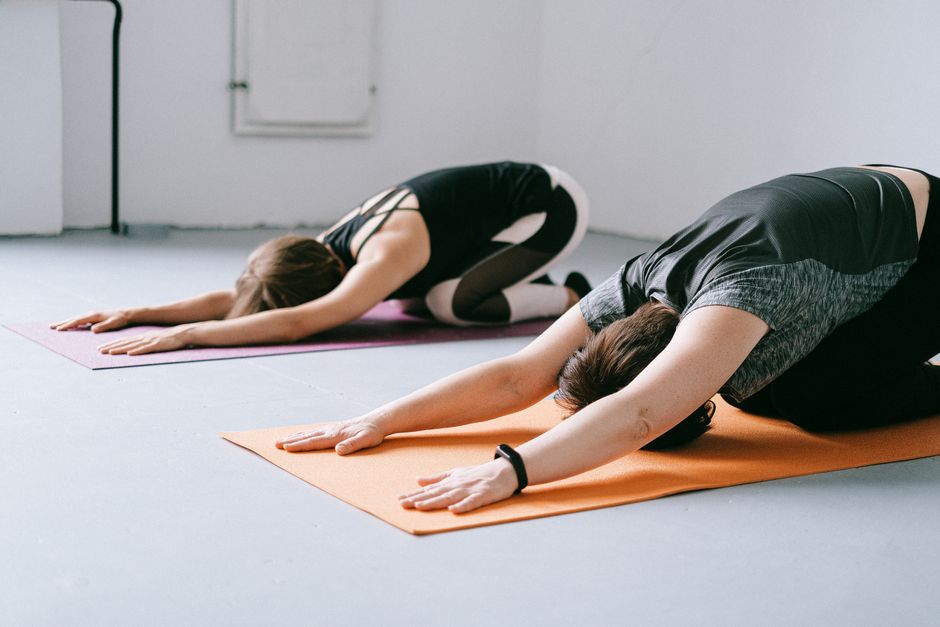
If you return to a class, tell the instructor that you have been away from exercise. Ask about easier options and take breaks when needed. You can leave a movement out while you learn an appropriate alternative.
Pay attention to effort and control
Your breathing, movement and comfort provide useful information. During an easy return to walking or cycling, aim for an effort that lets you speak comfortably in full sentences. If talking becomes difficult, ease back. This is a practical guide rather than a personalised assessment, so follow any professional advice you have received.
For strength exercises, choose a manageable version and finish while your movement remains steady. If you start swinging, straining or holding your breath to complete a movement, make it easier or stop the set. A qualified instructor can help check your technique when returning to equipment.
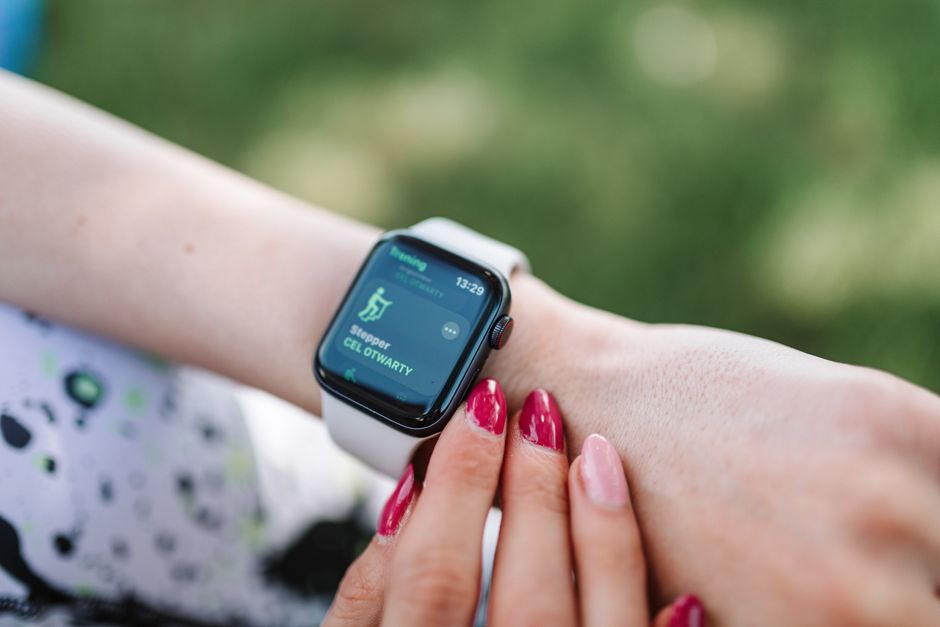
A fitness tracker can record your session, but its targets should not decide your effort. Avoid trying to match old records or complete a device prompt when you feel uncomfortable or unusually tired.
Check how you feel afterwards
The end of a workout is only part of the picture. Notice how you feel later that day and the following day. Consider whether ordinary tasks remain comfortable, whether your energy feels manageable and whether you feel ready for another easy session.
Some muscle soreness can follow unfamiliar activity, but soreness is not a goal or proof that a session worked. If you are very sore, unusually tired or struggling with everyday movement, make the next session easier or allow more recovery. Persistent or worsening symptoms deserve professional advice.
Stop exercising if you experience sharp or increasing pain, dizziness or feel unwell. Chest pain, fainting or severe or unusual breathlessness warrant urgent medical attention. Avoid pushing through symptoms to complete a planned session.
Change one thing at a time
Once your starting sessions feel comfortable and repeatable, choose one small adjustment. You might extend a walk slightly, add another manageable set or introduce another easy session. Keep the other parts of the routine familiar while you see how that change feels.
Increasing duration, frequency and difficulty together makes it harder to judge what you can comfortably manage. There is no need to follow a fixed progression simply because a calendar says it is time. Repeating a session is reasonable when life is demanding or recovery feels incomplete.
When returning to a sport, separate easy practice from competitive play. A relaxed skills session gives you more control over effort than a match where you may instinctively chase every ball or try to keep up with others.
Plan for interruptions without catching up
Decide what happens on an imperfect day. Keep a shorter, easier option available, such as a brief walk instead of your planned outing. If you are ill or need rest, let the session go rather than treating the backup as compulsory.
After a missed workout, return to the next suitable session. Avoid doubling up to repay it. If another long gap develops, reassess your starting point instead of automatically resuming where you stopped. Adjusting your plan is part of making it workable.
Record a few useful details if you like: what you did, how the effort felt and how you felt afterwards. These notes can guide your next decision without turning exercise into a daily score.
Let your current life shape the return
You may enjoy your old activities again, or discover that something different fits better. A change in work, caring responsibilities or physical circumstances can change what a workable routine looks like. You have permission to choose differently.
For your next session, choose something familiar, keep the effort comfortable and allow yourself to finish early. Build from the sessions you can repeat with confidence. Returning to exercise is a process of paying attention and adjusting, with room for both progress and ordinary interruptions.