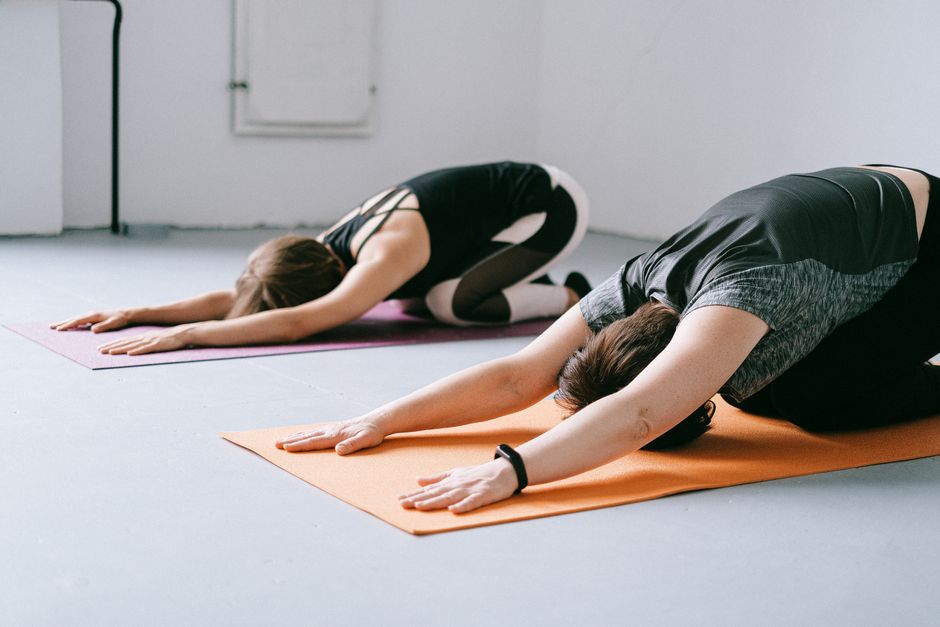
A warm-up gives you a gradual route from everyday activity into the movements your workout involves. You do not need complicated drills or special equipment. Start easily, introduce the actions you are about to use, and build towards your planned effort. Match your preparation to the session ahead: a gentle walk, a weights session and a dance class do not all need the same opening routine.
Decide what you are preparing for
Think about the main movements in your workout. Will you be stepping, pedalling, squatting, reaching, pushing or pulling? Will the pace stay steady, or will you change direction? These questions help you choose relevant preparation instead of collecting unrelated exercises.
Also notice how you feel today. After sitting for a long time, you may prefer a slower start. An unfamiliar activity may need more practice. If you have a health condition, an injury, are pregnant or are unsure about starting new exercise, ask your GP or a qualified professional for individual guidance.
Build your warm-up in three stages
Start with easy movement
Begin with walking, gentle marching or easy pedalling. Choose something you can do comfortably while talking. Let your arms move naturally and keep breathing normally. Gradually make the movement a little more purposeful, without rushing to your intended workout pace.
This opening should feel manageable. Starting with vigorous jumping or fast running can make it difficult to judge how you feel. If your chosen movement feels awkward, slow down or simplify it. Give yourself space to establish a comfortable rhythm before adding another demand.
Explore comfortable movement ranges
Next, introduce controlled movements involving the areas you will use. For a lower-body session, try gentle knee lifts, supported heel raises or shallow squats. For an upper-body session, try small arm circles, relaxed reaches or easy versions of the planned exercises.
Begin with a small range and gradually explore further if comfortable. Keep movements smooth rather than bouncing or swinging forcefully. You do not need to reach the deepest position. Use a stable support if balance would otherwise distract you, and leave out any movement that causes pain.
Practise the activity ahead
Move towards the actual workout through easier versions of its movements. Walk before jogging, pedal gently before increasing resistance, or rehearse an exercise without added weight. Introduce speed, resistance or complexity gradually rather than changing everything at once.
Finish this stage feeling familiar with the activity and ready to begin. You should still have energy for the main session. If preparation leaves you exhausted, make it easier. For technical exercises or unfamiliar equipment, a qualified instructor can help you choose suitable practice steps.
Adapt the approach to your workout
Walking and running
For a walking workout, make the opening part of your route deliberately easy. A level, predictable surface lets you settle into movement without also managing steep hills or uneven ground. Increase your pace gradually as you feel comfortable.
Before running, start with walking and progress to comfortable jogging. Leave faster efforts until you have eased into the session. Gentle ankle movements or supported heel raises can be included if helpful, but you do not need an elaborate series of drills before every outing.
Strength training
Rehearse the exercises you plan to perform. Before squatting, you might practise standing up from a stable chair or try a shallow bodyweight squat. Before a pushing exercise, choose an easier variation that lets you check your position without straining.
If using weights, build gradually through comfortable practice sets before approaching your working load. Keep these sets easy enough to preserve energy. General movement does not replace learning technique, so ask a qualified trainer for guidance when an exercise or piece of equipment is unfamiliar.
Cycling, swimming and classes
On a bike, begin with easy resistance and relaxed pedalling before increasing effort. For swimming, follow pool guidance, enter safely and start with easy swimming suited to your ability. Avoid forceful shoulder stretches or breath-holding challenges as preparation.
For a class, arrive in time for the warm-up and use simpler options while learning the movements. If you arrive late, speak to the instructor before joining a demanding section. Trying to catch up immediately can leave you practising unfamiliar actions at an uncomfortable pace.
Know where stretching fits
Stretching and warming up are different activities. Holding a position does not rehearse your workout in the same way as gradually moving towards its pace and actions. For many everyday sessions, a useful starting sequence is easy activity, controlled movement and specific practice.
If a physiotherapist or another qualified professional has prescribed stretches, follow their advice about timing and technique. Otherwise, avoid forcing a position because you think a strong pulling sensation is necessary before exercise. Your warm-up does not need to become a flexibility challenge.
Check readiness without chasing a stopwatch
There is no single warm-up length that suits every person and activity. Allow several minutes for a gradual start, and take longer when needed. A more demanding workout may require additional rehearsal, while a familiar gentle session may need a straightforward progression from an easy pace.
Use these questions to decide whether to progress:
- Does the movement feel comfortable and controlled?
- Can you breathe freely without holding your breath?
- Have you practised the main actions of the session?
- Can you increase effort slightly without rushing?
Heavy sweating is not a requirement. Avoid adding unnecessary clothing simply to feel warmer. Dress for the conditions and adjust your effort when the environment makes exercise uncomfortable. Your preparation should help you choose an appropriate starting effort, rather than meet an arbitrary target.
Let discomfort change the plan
Stop a movement if it causes pain. Choose a simpler comfortable option only if appropriate, or leave the workout for another day. Persistent pain, recurring discomfort or uncertainty about an old injury deserves advice from a GP or physiotherapist. Warming up is not a reason to push through symptoms.
Stop exercising if you feel dizzy, faint or unwell. Chest pain, fainting or severe or unusual breathlessness requires urgent medical attention. Feeling ready does not guarantee every exercise is suitable for you, and you can change or stop a session at any point.
Make an easy start part of the session
When time is tight, shorten the main workout to leave room for preparation. Keep the sequence simple: easy movement, comfortable ranges, then practice of what comes next. After a long interruption, ease back into activity before returning to harder efforts. A familiar opening routine makes it easier to notice how you feel and select a sensible pace for that day.