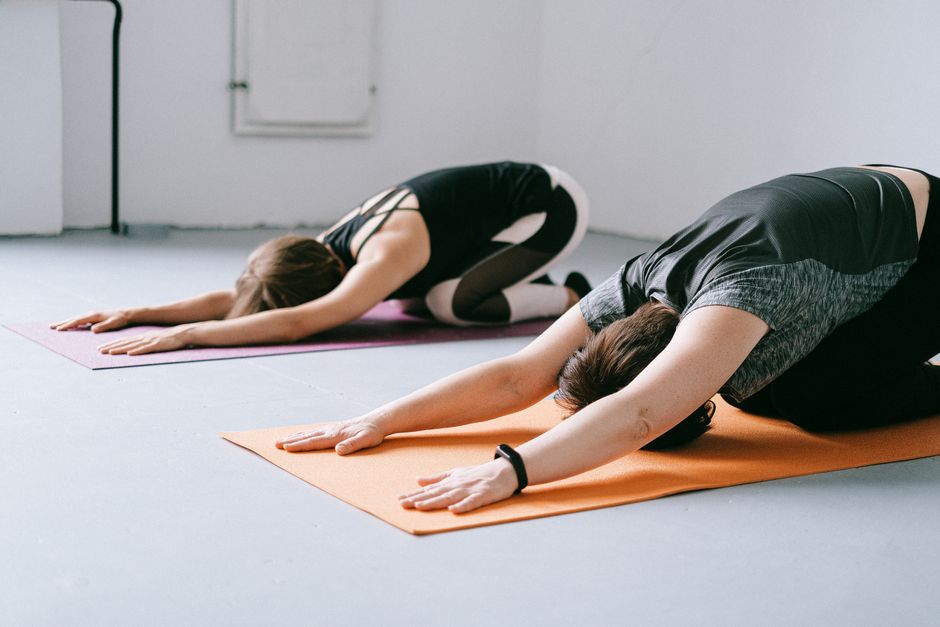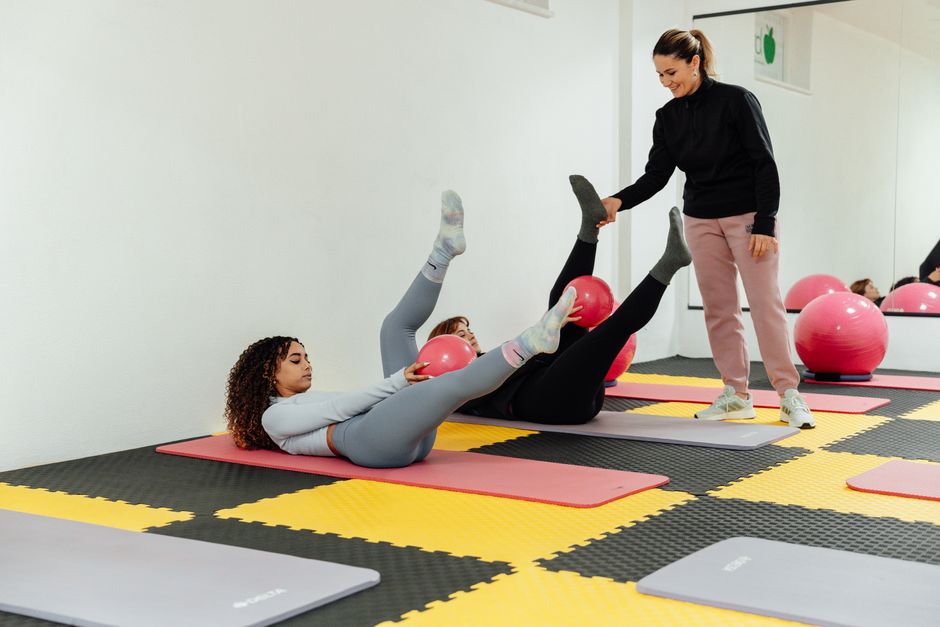
Pilates can look complicated when you first encounter its unfamiliar exercise names and carefully timed movements. A beginner session, however, can start with something much simpler: noticing how you breathe, where your body rests, and what happens when you move one limb slowly. For core and posture practice, the useful starting point is learning that coordination. You do not need to hold a perfect shape or complete an advanced routine to begin.
Understand what you are practising
Pilates is a form of exercise that combines controlled movement, breathing and attention to body position. Mat Pilates uses the floor and your body weight; equipment classes use apparatus that provides resistance or assistance. Both can involve demanding work, so an introductory class is a sensible starting point even if you already enjoy other exercise.
Your core includes more than the muscles at the front of your abdomen. Muscles around your trunk work together as you move. In beginner Pilates, the practical aim is to coordinate that work while keeping your breathing comfortable. Pulling your stomach in as hard as possible throughout a session is not the goal.
Think of posture as something you can vary rather than a single position you must maintain all day. Pilates gives you opportunities to explore alignment and control. It does not require you to erase your natural spinal curves, keep your shoulders pinned back, or treat every relaxed sitting position as a mistake.
Choose a suitable first session
Look for a class described as beginner or introductory, with an instructor who welcomes questions and offers alternatives. Tell them that you are new before the session starts. Ask whether the class includes time to explain positioning rather than simply following a continuous sequence.
If you have a health condition, an injury, recent surgery, or are pregnant, speak with your GP or an appropriately qualified professional about suitable exercise. Get advice before starting if you are unsure whether Pilates is appropriate for you. A general online routine cannot account for your individual circumstances.
- Use a stable, nonslip surface with enough clear space to extend your arms and legs.
- Wear clothing that lets you move comfortably and breathe without restriction.
- Choose a mat that makes floor contact comfortable without feeling unstable.
- Keep any small support, such as a folded towel, within easy reach.
If getting down to the floor or lying in a particular position is difficult, ask about supported or chair-based options. There is no requirement to work through an uncomfortable starting position to participate.
Learn the cues before adding difficulty
Let your breath keep moving
Begin in a comfortable seated or lying position. Notice a few ordinary breaths without trying to make them unusually deep. Let your ribs move as you inhale and soften as you exhale. Keep your jaw and shoulders relaxed enough that breathing does not become an effort.
Instructors often suggest breathing out during the more demanding part of a movement. You can experiment with that timing, but comfortable, continuous breathing comes first. If coordinating movement and breath feels confusing, make the movement smaller and let your breath find a natural rhythm.
Use gentle abdominal effort
Imagine preparing your trunk for a small movement while still being able to speak. You may notice gentle firmness around your abdomen. Avoid forcefully drawing everything inward or bearing down. If you cannot breathe easily, reduce the effort and reset.
Find a comfortable middle position
When lying on your back with your knees bent, your lower back may have a small natural gap beneath it. Avoid forcing it flat or exaggerating the arch. An instructor may teach different positions for different exercises; ask what the cue means instead of assuming one position applies to every movement.
Explore a few basic movement patterns
The following examples introduce common Pilates skills. Try only those that feel comfortable and suit any professional advice you have received. Start with a few unhurried repetitions, pause between movements, and stop before effort disrupts your breathing or control.
Heel slide: move a leg without chasing distance
- Lie on your back with your knees bent and feet resting on the mat.
- Let your arms rest comfortably and take an easy breath.
- Slowly slide one heel away from you, keeping it in contact with the floor.
- Stop before your pelvis shifts noticeably or your back feels strained.
- Slide the foot back and repeat on the other side.
The distance is less important than the quality of the movement. A short slide is useful practice if it lets you notice when your trunk starts to move with your leg.
Small knee opening: notice rotation
From the same bent-knee position, gently let one knee open a little to the side while the foot stays supported. Keep the opposite side of your pelvis comfortably settled. Bring the knee back slowly, then change sides. Reduce the range if your whole body rolls with the movement. Do not press the knee toward the floor.
Supported arm reach: notice ribs and shoulders
Lie comfortably with your knees bent and reach your arms toward the ceiling, keeping your elbows soft. Slowly take one arm slightly overhead, stopping while the movement remains comfortable. Return and change arms. Notice whether you start lifting your ribs or tightening your neck. A smaller reach is a suitable adjustment.
You can also practise an easy arm reach while seated if lying down is unsuitable. Keep the emphasis on comfortable movement rather than trying to achieve a particular overhead position.
Use feedback without judging your body
Useful feedback is specific: your breathing stopped, your shoulders tightened, or the second repetition felt less controlled. These observations tell you when to pause or simplify. They are more helpful than deciding that your body is bad at Pilates.
During a class, ask for another explanation if a cue such as lengthen or engage is unclear. You might ask which body part should move and which should remain relatively quiet. Clear instructions can make a small exercise feel more understandable without making it harder.
Stop an exercise if it causes pain, dizziness, tingling or unusual breathlessness. Do not repeatedly retry a painful movement to get it right. Seek appropriate medical advice for new or persistent symptoms.
Build familiarity before progressing
Repeat a manageable selection of basic movements across your early sessions. Progress might mean breathing more freely, understanding a cue, or moving with less unnecessary tension. It does not have to mean holding your legs farther from your body or lifting your head off the mat.
When a movement feels familiar, change one feature at a time with guidance: perhaps a slightly larger range or a little more resistance. Keep Pilates alongside other activities you enjoy, including walking and suitable strength work. Let everyday posture remain flexible, with changes of position and regular opportunities to move. Your next session can begin with the same simple question: can you make this movement comfortable, controlled and easy to breathe through?