Spring outdoor workouts can be refreshingly simple: a nearby open space, comfortable clothes and a plan that suits the conditions. You do not need to turn every outing into a run or recreate a gym session on the grass. Instead, use the changing season to try different ways of moving, from relaxed court practice to short park circuits. The aim is to find an outdoor session you enjoy enough to repeat, with room to adapt when the weather or your energy changes.
Choose the space before choosing the workout
A place that looks inviting is not always suitable for exercise. Spring can bring muddy grass, slippery leaves, loose gravel and paths that remain icy in shaded areas. Check the ground before you begin. A level, dry area with enough room to move is a better starting point than an attractive spot where you need to keep correcting your footing.
Match the activity to the setting. An uncrowded paved area can suit controlled stepping drills, while a maintained court offers space for racket practice. Use public spaces considerately, follow local rules and leave paths clear. Avoid using fences, picnic tables or branches as exercise equipment; their stability and suitability may be uncertain.
If you have a health condition, an injury, are pregnant or are unsure about starting a new exercise routine, speak with your GP or an appropriately qualified professional first. Choose activities that suit your current abilities rather than what you could do last spring.
Try a park loop with movement stops
For an outing with variety, choose a short, familiar loop and add occasional stops for simple movements. The walking connects the stops, but the focus is on changing tasks and exploring the space rather than chasing a walking pace or distance.
- Begin with easy walking and gradually make your movements a little more purposeful.
- At a clear, level spot, stop for a few comfortable shallow squats, keeping your feet planted and moving only through a range you control.
- Continue around the loop, then pause for gentle heel raises if you can balance confidently. Skip these if you need support that is not available.
- Walk onward and finish with relaxed marching on the spot before heading back.
Keep the stops brief enough that your technique stays comfortable. You can leave out a movement, take a longer pause or finish after one loop. There is no need to add jumps, deep lunges or fast repetitions to make the outing count.
Use an open space for controlled movement games
A small patch of dry, even ground can become a simple movement course. Choose two visible landmarks a few comfortable steps apart, without leaving objects where other people might trip. Travel between them using ordinary forward steps, then try slow sideways steps while facing the same direction.
Keep your steps small and deliberate. Bring your feet closer together between sideways steps without crossing them. Turn slowly at each end, and look where you are going. This is a coordination activity, so speed is optional and often unnecessary.
To add variety, have a companion call out a direction or a stopping point. Agree on the options beforehand so there are no sudden surprises. If you are exercising alone, alternate a forward route with a sideways route. Stop while you still feel in control rather than continuing until your foot placement becomes untidy.
Make court time about practice and play
An available outdoor court gives your workout a clear purpose without requiring a competitive match. You might practise gentle basketball shots, exchange easy tennis rallies with a partner or work on controlled ball passes. Pick something familiar, or ask a qualified instructor to introduce an unfamiliar activity.
Start close to your target and keep the pace manageable. When playing with someone else, agree that the goal is a cooperative session. Aim for easy passes or returns rather than making each other sprint across the court. Collect stray balls carefully and stay aware of neighbouring players.
Short rounds with pauses let you adjust as you go. If you notice yourself rushing, reaching awkwardly or losing control of your movements, make the task easier. Playing from a smaller area or using gentler passes can keep the activity enjoyable without turning it into an endurance challenge.
Take a familiar indoor routine outside
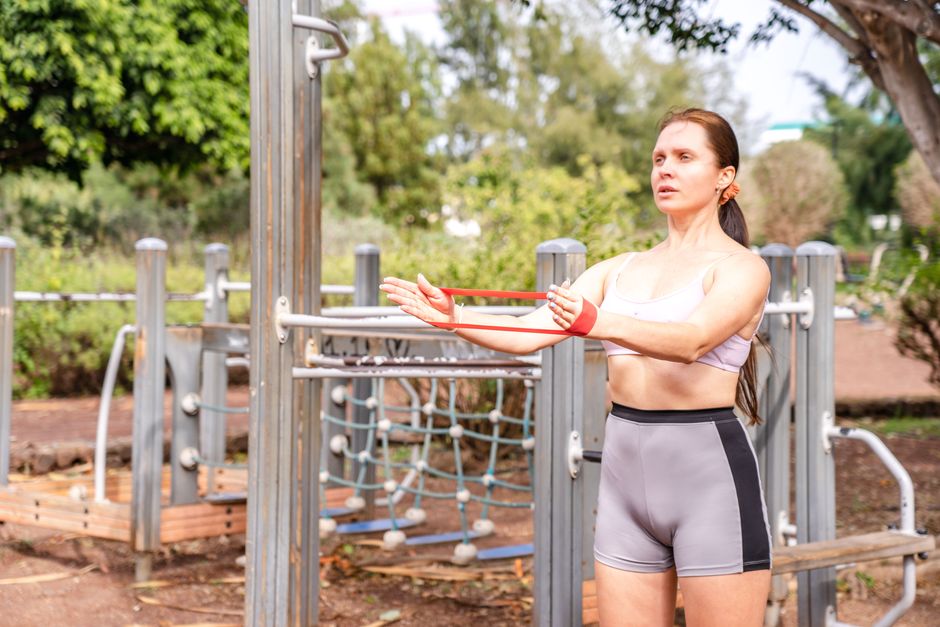
If you already attend a class or follow a routine confidently, a quiet outdoor space can offer a change of setting. Choose standing movements you know well, such as easy marching, gentle arm movements or familiar dance steps. Keep the choreography simple enough that you can also watch your surroundings.
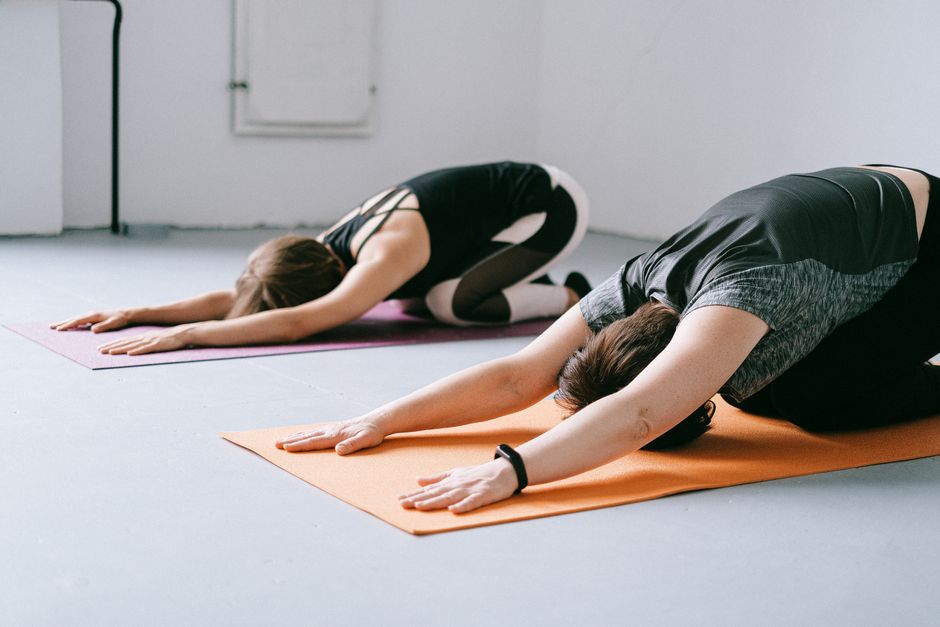
Outdoor conditions change the practical details. A mat may slide on paving, grass can hide uneven ground and wind can make loose belongings distracting. Standing work is often easier to arrange than floor exercises. If the surface does not suit your usual routine, change the routine or move indoors.
If you use audio, keep the volume low enough to hear people and traffic, and avoid disturbing others. A session without headphones can work just as well: choose a short sequence, repeat it comfortably and pause whenever you need to check your space.
Build a spring session around variety
You do not have to commit to one activity for the whole outing. Combining a few easy elements can help you discover what you like. For example, walk to a nearby court, practise gentle shots, then finish with a relaxed walk home. Another option is a park loop with a short standing movement sequence halfway around.
For your first attempt, choose one main activity and one optional extra. This keeps the plan manageable and makes it easier to notice how you feel afterwards. When a session feels comfortable during the activity and afterwards, repeat it before making it longer or more demanding.
Prepare for changeable spring conditions
- Wear adjustable layers. Choose clothing that allows comfortable movement and can be adjusted as you warm up or the wind changes.
- Check footwear and surfaces. Wear secure shoes appropriate for your activity, and change location if the ground is slippery.
- Plan for sun exposure. Use suitable sunscreen, clothing and shade even when the air feels cool.
- Bring drinking water. Make it easy to pause for a drink, especially when the outing is longer than expected.
- Check local conditions. Consider the forecast, air quality and pollen information if relevant to you. A pharmacist can advise about hay fever symptoms and suitable medicines.
Have an easy route back and an indoor alternative. Thunder, worsening footing or uncomfortable conditions are good reasons to change plans. Spring exercise does not need to involve persevering through unsuitable weather.
Finish with a reason to return
Ease the pace before you finish, then notice what worked: the location, the activity, the company or simply the convenience. Stop if you develop pain or feel unwell; seek medical advice for concerning symptoms rather than trying to exercise through them.
Choose your next outing around the part you enjoyed most. Perhaps you want another cooperative rally, a quieter park loop or a simple standing routine in the fresh air. A useful spring workout leaves you with a realistic idea of what you would like to do again.