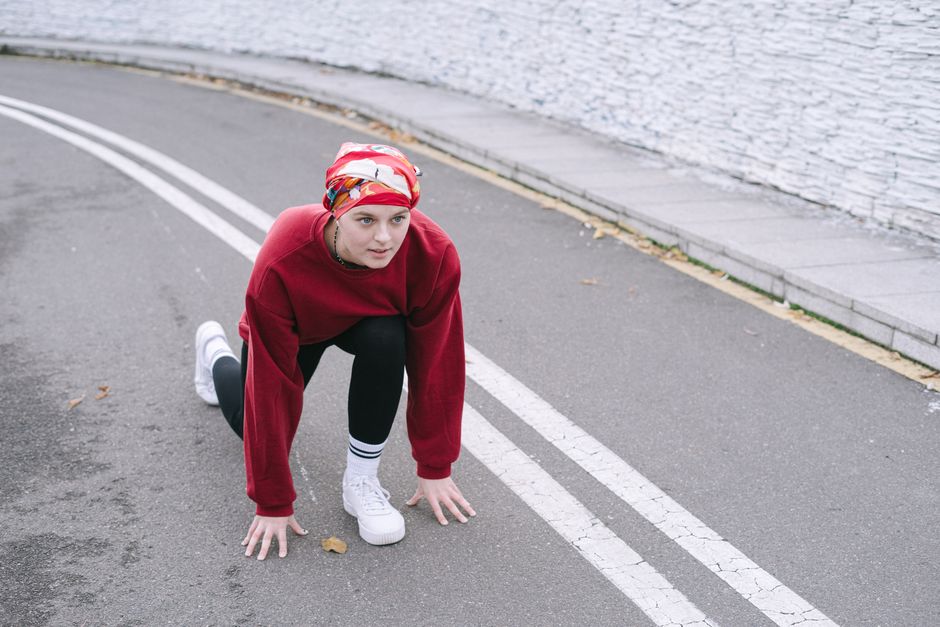
Starting a gentle running routine can mean jogging to the next tree, walking until you feel ready, and then deciding whether to try again. You do not need to run continuously, cover a particular distance, or keep up with anyone else. A useful first goal is to finish a manageable outing with enough energy to go about your day. By combining short runs with walking and letting your response guide the next session, you can find a routine that fits your starting point.
Make the starting point your own
Think about your current activity rather than what you used to do or what friends can manage. If ordinary walks already feel demanding, begin with comfortable walking outings before adding running. There is no deadline for making that change. If you already walk regularly, a few brief jogging sections may be a reasonable way to explore how running feels.
Speak with a GP or qualified healthcare professional before starting if you have a health condition, an injury, are pregnant, or are unsure whether running is suitable for you. If you are returning after illness or a long break, ask for advice when needed rather than assuming your previous routine still fits.
Choose an easy place to practise
For your first outings, choose a familiar, fairly flat route with a predictable surface. A short loop or an out-and-back route lets you turn home without being committed to a long journey. Avoid making hills, uneven trails, or busy crossings part of your first running challenge. You can explore different routes once the basic routine feels familiar.
Check the conditions before leaving. Slippery ground, poor visibility, or uncomfortable weather are good reasons to change your plans. Choose well-lit areas when necessary, make yourself visible to other road users, and keep enough awareness to hear approaching traffic. An indoor walking session is a reasonable alternative when the outdoor route does not feel suitable.
Keep equipment simple and comfortable
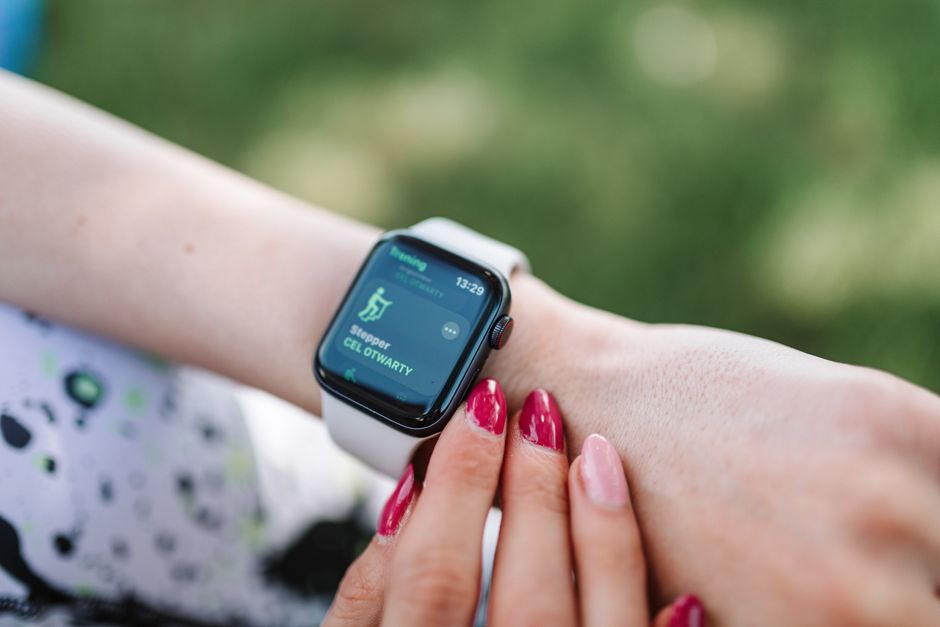
Wear footwear that fits securely without pinching or allowing your heel to slide around. Check that your toes have room and that the soles are in sound condition. If your current footwear causes discomfort, resolve that before extending your runs. You do not need a watch, an app, or a collection of specialist clothing to begin.
Choose clothes that allow easy movement and suit the conditions. Secure your keys and phone so you are not gripping them throughout the session. If you need a sports bra, aim for support that feels comfortable during movement. Adjust anything that rubs or distracts you before heading farther from home.
Try a short run-and-walk outing
Walking breaks are part of the session, not evidence that it has gone wrong. They give you regular opportunities to settle your breathing and assess how you feel. For an initial outing, the running sections can be much shorter than the walking sections. Use this example as an option, not a requirement:
- Start with several minutes of comfortable walking, gradually making your steps a little more purposeful.
- Jog gently for about twenty to thirty seconds, or between two nearby landmarks.
- Walk for a minute or two, taking longer if you need it before considering another jog.
- Repeat a few times while the effort remains manageable, then finish with easy walking.
You can shorten the jogs, do fewer repetitions, or make the whole outing a walk. Avoid squeezing in one final hard effort to prove you have worked enough. The example is simply a way to introduce running in small pieces; it is not a test you must pass before your next outing.
Let effort set the pace
Your first running pace may feel only slightly faster than walking. That is fine. Aim for an effort at which you can still speak in comfortable sentences. If you are struggling to get words out, slow down or return to walking. Pace displays can pull your attention towards a target that does not reflect how you feel that day.
Keep your steps comfortable and let your arms move naturally. Try relaxing your hands and shoulders if you notice yourself tensing up. There is no need to force a particular foot landing or copy another runner’s stride. Focus on easy movement, a clear path ahead, and a pace you can adjust whenever necessary.
Repeat before adding more
Leave a non-running day between your early outings so you have time to notice how you respond. Start with a couple of sessions across the week if that feels manageable. Other activity, physical work, and poor sleep can affect what you have available for a run, so consider the whole week rather than counting running sessions alone.
Repeat a comfortable outing several times before changing it. When it feels manageable during the session and afterwards, choose one small adjustment: another short jogging section, a slightly longer jog, or a little less walking. Keep the other parts familiar. Increasing speed, duration, and hills together makes it harder to judge what suits you.
There is no obligation to progress every week. You might prefer the same run-and-walk pattern for a while. If a change leaves you unusually tired or uncomfortable, return to an easier version rather than treating the harder session as your new minimum.
Know when to stop
Pain that is sharp, worsening, or changing the way you move is a reason to stop running. Do not try to finish a planned interval through pain. Seek advice from a qualified professional for persistent discomfort, swelling, or symptoms that keep returning. If you feel unwell during an outing, stop and get appropriate help rather than trying to complete the route.
Make the routine easy to return to
Pick a time that usually has a little breathing room around it. Preparing your clothes and choosing the route beforehand can make getting out simpler. On a busy day, use a shorter familiar version rather than rushing through the longer one. If you miss an outing, resume when practical without adding extra running to make up for it.
A brief note after each session can help: where you went, how the running felt, and how you felt later. Look for comfortable repetition rather than impressive numbers. Being able to judge when to walk, repeat a session, or rest is useful progress. Your routine can remain a mixture of running and walking for as long as that is what suits you.