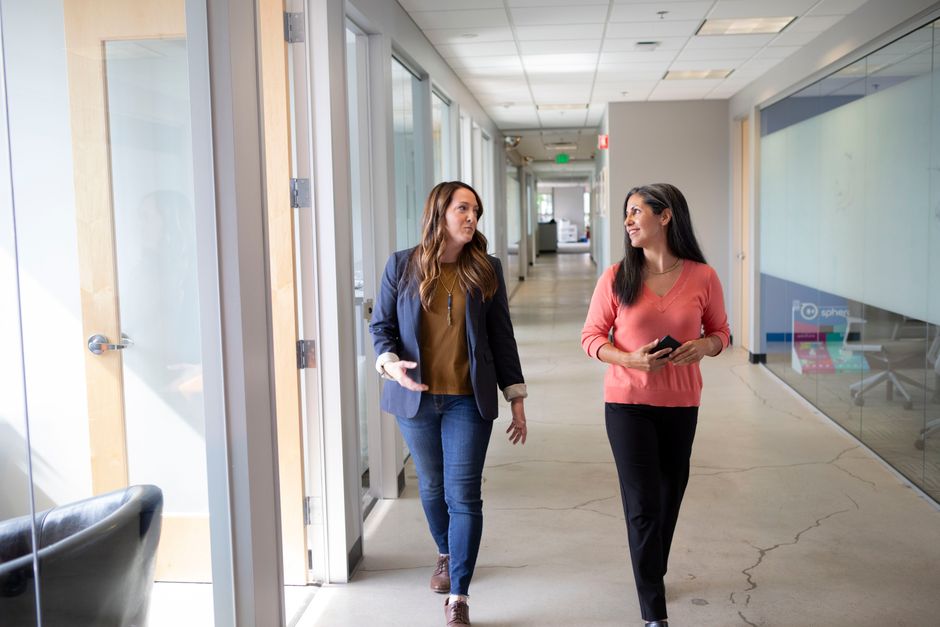
Walking meetings can give a desk-based workday a little more movement without needing a separate trip to the gym. The key is choosing conversations that work away from a screen, then making the format comfortable for everyone involved. You do not need to turn every call into a walk. Start with one suitable discussion and give it the same care you would give a meeting in a room.
Match the format to the conversation
An informal catch-up, a discussion of priorities or an early exchange of ideas can be suitable for walking. These conversations often need attention and listening more than equipment. Before suggesting a walk, consider what participants will actually need to do. If the answer includes reading detailed documents, editing a spreadsheet or examining a design, keep access to a desk and screen.
Begin with a small group. Two colleagues can usually hear one another more easily than a group spread along a pavement. A larger gathering may leave some people walking behind, missing comments or struggling to join in. If the discussion needs contributions from several people, a seated meeting followed by an optional walk may work better.
Offer a real choice
Ask whether walking suits everyone before setting the format. Offer a seated conversation or the usual call as equally welcome alternatives. Nobody should need to disclose a disability, health condition, pregnancy or personal reason to decline. If someone prefers another arrangement, choose a format that allows them to participate fully.
When a manager suggests the walk, colleagues may feel pressure to agree. Make the choice explicit and avoid treating participation as evidence of enthusiasm or commitment. Keep step counts, distance comparisons and speed challenges out of the invitation. The purpose is to have a useful conversation in a comfortable setting.
Discuss the practical details together. A route without steps might still have uneven paving, narrow sections or nowhere to rest. Ask what would make the meeting workable without asking for private medical information. Accessibility depends on the whole experience, including leaving the building, reaching the route and returning to the workspace.
Choose a route that needs little attention
A familiar route lets you focus on the discussion instead of directions. Look for clear paths, safe crossings and enough room to walk together without obstructing others. A short loop close to work offers a straightforward return if time runs short or someone wants to stop. Avoid routes with frequent obstacles or complicated junctions.
Check the weather and ground conditions before leaving. Slippery surfaces, poor visibility, strong wind or uncomfortable heat can be good reasons to change the format. Wear secure, comfortable footwear and clothing appropriate to the conditions. An indoor route may be useful when permitted, provided the conversation will not disturb people working nearby.
- Allow time to leave the building and return without rushing.
- Choose a pace that everyone finds comfortable.
- Include somewhere safe to pause or sit if needed.
- Agree that anyone can suggest turning back.
- Keep an alternative meeting space available when possible.
Keep the meeting focused
Movement does not replace an agenda. Share the main question beforehand so people can prepare and decide whether reference materials are necessary. One clear topic is often easier to discuss while walking than a long list of unrelated tasks. Agree on the available time before setting off, including how you will capture decisions afterwards.
- Open with the purpose. State what you need to discuss or decide.
- Make room for each person. Leave pauses and check that everyone can hear.
- Pause for complex points. Stop somewhere suitable if a detail needs full attention.
- Finish with a recap. Confirm decisions, responsibilities and any next steps.
Record actions once you return to your workspace, while the discussion is still fresh. If something needs noting immediately, stop safely out of the flow of other people. Avoid typing while walking. A seated final few minutes can help when the conversation produces several actions or details that need checking.
Protect privacy and attention
A quiet path is still a public place. Other people may overhear names, business details or personal information. Keep confidential matters in an appropriate private setting. If an ordinary catch-up turns into a sensitive conversation, pause that topic and arrange to continue somewhere suitable rather than assuming nobody is listening.
For a phone meeting, tell the other person you are walking. Wind, traffic and unreliable reception can make a conversation difficult even when the route feels pleasant to you. Switch formats if the audio becomes distracting. Pay attention to your surroundings and pause the conversation when crossing roads or navigating obstacles.
Hybrid meetings need extra thought. A remote colleague may find it hard to hear a group outdoors, especially when several people speak. If shared screens or reliable audio are central to participation, use a conventional meeting setup. Participants can take movement breaks separately without making the discussion harder to follow.
Give the rest of the day room to move
Some workdays contain no meetings that suit walking. Look instead at ordinary transitions, such as finishing a task, preparing a drink or moving between appointments. A brief change of position or a comfortable walk to another room can fit naturally into those moments. Choose opportunities that support your work and follow workplace rules.
If your job already involves substantial walking or standing, extra movement may not be the priority. Comfortable sitting and proper rest may be more useful. For desk work, vary positions according to comfort and the task instead of trying to stand continuously. Keep lunch breaks and other rest periods available for your own needs.
Review the experience and adapt
After trying a walking meeting, assess the practical outcome. Could everyone contribute? Was the pace comfortable? Did you return on time with clear next steps? A quieter route, shorter walk or seated finish may improve the next attempt. If the format does not suit the work or the people involved, choose another approach.
Stay within your abilities and comfort. If you have a health condition, an injury, are pregnant or are unsure about starting new exercise, ask your GP or an appropriately qualified professional for individual guidance. Stop if you feel unwell or develop pain and seek appropriate advice. A workable active workday makes space for movement, participation and rest while allowing you to do your job.