When the kitchen feels warm, a cool drink or something crisp from the fridge can be especially inviting. Cooling foods and drinks for summer are as much about texture, temperature and flavour as they are about particular ingredients. You can make familiar foods feel refreshing with a few small changes to how you prepare and serve them. Start with things you already enjoy, then experiment with a chilled serving, a crunchy addition or a fresh herb.
What makes something feel cooling?
Here, cooling means a pleasant eating experience: a cold spoonful, a juicy bite or a gently flavoured drink. It does not mean that an ingredient has special powers to regulate body temperature. No particular fruit, vegetable or herbal drink needs to be treated as essential summer medicine.
Food and drink are only part of feeling comfortable in warm weather. Shade, a cooler environment and breaks from the heat still matter. An icy drink does not make prolonged heat exposure safe. Choose refreshing foods for enjoyment, without expecting them to prevent or treat heat illness.
Choose a texture before choosing a recipe
For a crisp, juicy bite
Cucumber, radishes, celery and peppers bring a satisfying crunch without much preparation. Wash them, dry them well and cut only what you expect to use. Serve them alongside a dip or add them to a familiar sandwich just before eating. Keeping wet ingredients separate helps bread and other crisp components retain their texture.
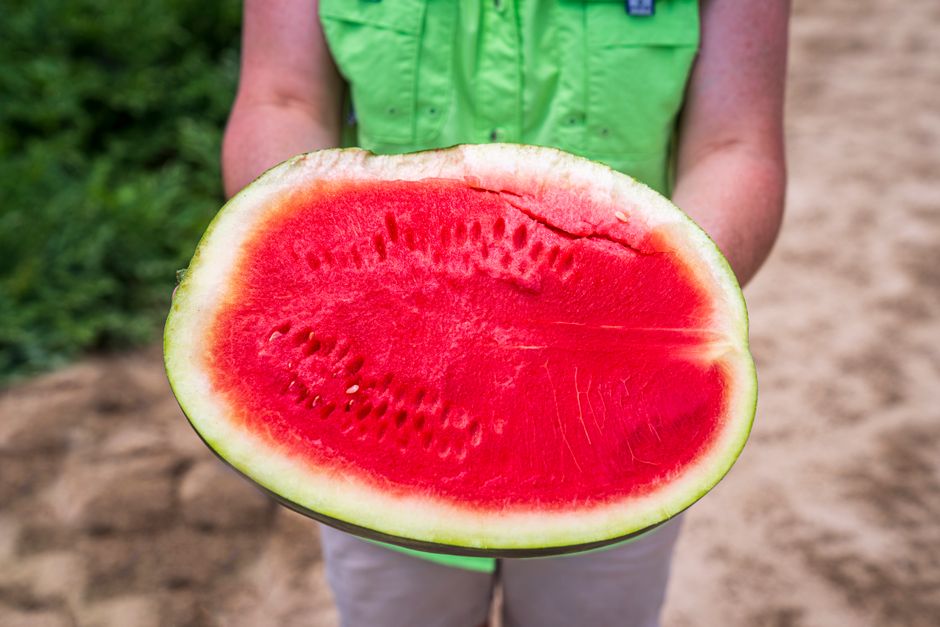
Melon wedges, orange segments and ripe peach slices offer a softer kind of juiciness. Chill a modest serving if you enjoy cold fruit, or eat it at room temperature if that tastes better to you. There is no need to buy unusual ingredients. A different shape or serving dish can make familiar fruit feel inviting.
For something smooth and spoonable
Plain yoghurt works with sweet or savoury flavours. Stir in chopped cucumber and herbs for a dip, or add sliced fruit for a simple dessert. A plain dairy alternative is another option if it suits your needs. Check ingredients for allergens and choose a texture you find pleasant.
Watery ingredients can thin a dip as it stands. Drain chopped cucumber before mixing it in, or add it close to serving time. Keep the main container refrigerated and spoon out an individual portion. If you dislike a sharp fridge chill, allow that serving to soften briefly rather than leaving the whole batch on the counter.
For a slowly melting treat
Homemade ice lollies are a way to enjoy fruit in another form. Blend soft fruit with water or plain yoghurt and freeze it in suitable moulds, following their instructions. Leave space for expansion. Start with a small batch so you can decide whether you like the flavour and consistency before making more.
Frozen pieces can become very hard. Let them soften as appropriate and adapt the texture for children or anyone who has difficulty chewing. Hard ice and large chunks may be unsuitable for some people. If swallowing is difficult, seek professional advice about suitable foods rather than assuming that a frozen snack will be easier.
Make cold drinks interesting through aroma
A refreshing drink does not need a long ingredient list. Begin with water at a temperature you like. Add a small amount of flavour, taste it and adjust. Some people prefer a glass with plenty of ice; others enjoy water that is simply cool. Neither preference requires an elaborate routine.
- Cucumber: Thin, freshly washed slices give water a mild flavour without much sharpness.
- Mint: Lightly crush washed leaves before adding them to release their aroma.
- Citrus peel: A small strip of thoroughly washed lemon or orange peel adds fragrance. Remove it if the flavour becomes bitter.
- Chilled tea: Brew according to the instructions, cool promptly and refrigerate in a clean, covered container.
Make infused drinks in small quantities and keep them refrigerated. Fruit and herbs do not preserve water. Avoid continually topping up an old batch, and clean the jug before starting again. Add ice when you pour your glass if you want to avoid diluting the whole drink as it stands.
Choose flavours that suit you. Fizzy water, tart citrus and strong mint are not enjoyable for everyone. If you are pregnant, take medicines or have a health condition, check the suitability of herbal tea ingredients with a pharmacist or another qualified professional.
Give chilled food enough flavour
A dish can taste different straight from the fridge. Before adding more seasoning, try a little chopped herb, citrus zest or vinegar. Add gradually, mixing and tasting between additions. Parsley can brighten a yoghurt dip, while a little lemon zest can give fruit a fresh aroma without adding much liquid.
Contrast can be just as appealing as an entirely cold plate. Try warm toast with a chilled spread, or crisp cucumber beside freshly cooked food. Keep crunchy toppings separate until serving. You are aiming for something pleasant to eat, rather than making every component as cold as possible.
Protect texture while keeping food safe
Prepare components separately when you can. Store washed, dried vegetables apart from dips and dressings. Chop delicate herbs near serving time. Cover prepared food and follow storage instructions and use-by dates. Bring out a small portion and replenish it from the fridge instead of leaving the full container in a warm room.
If you cook ingredients to serve cold, cool them promptly and refrigerate them using food safety guidance appropriate to that food. Do not leave them on the counter until convenient. Use clean utensils, wash produce before preparation and keep ready-to-eat foods away from raw meat and its equipment. A cold serving temperature cannot make poorly stored food safe.
Keep refreshment satisfying
You can enjoy crisp vegetables or chilled fruit without expecting them to replace a substantial meal. Add hummus and bread to vegetables, or pair fruit with yoghurt and oats when you want something more filling. Choose combinations according to your appetite rather than a rule that summer food must always be raw or watery.
Follow individual medical advice if you have dietary requirements or a prescribed fluid restriction. A GP or registered dietitian can help if persistent poor appetite makes eating difficult. For an ordinary warm day, keep the decision small: choose a familiar food, change its temperature or texture, and serve it in a way you look forward to eating.