The workout you enjoy may look very different from the one your friend recommends. You might love learning a dance sequence but dislike following a running route, or enjoy lifting weights while finding group games frustrating. Choosing well starts with noticing what makes movement interesting and comfortable for you. Instead of asking which workout sounds most impressive, look for an activity whose ordinary experience you would willingly repeat.
Describe the experience you want
Before browsing classes or exercise videos, think about how you want a session to feel. Do you want quiet concentration, lively company, a playful challenge or time outside? These preferences give you a more useful starting point than choosing whatever happens to be popular.
Remember activities you enjoyed earlier in life, including informal ones. Perhaps you liked moving to music, practising a skill or exploring unfamiliar places. You do not need to return to the same activity. The useful clue is what held your attention: rhythm, discovery, teamwork or a satisfying sense of control.
- For variety: look for sessions with changing movements or skills to learn.
- For predictability: consider a repeatable sequence with clear instructions.
- For play: explore recreational games with a welcoming approach to beginners.
- For focus: consider an individual activity where you can work at your own pace.
Separate movement preferences from setting preferences
Disliking a particular session does not always mean you dislike the activity itself. Loud music, crowded changing rooms, unclear instructions or an uncomfortable atmosphere can overshadow movement you might otherwise enjoy. Try to identify which part bothered you before dismissing the whole category.
Decide how much company you want
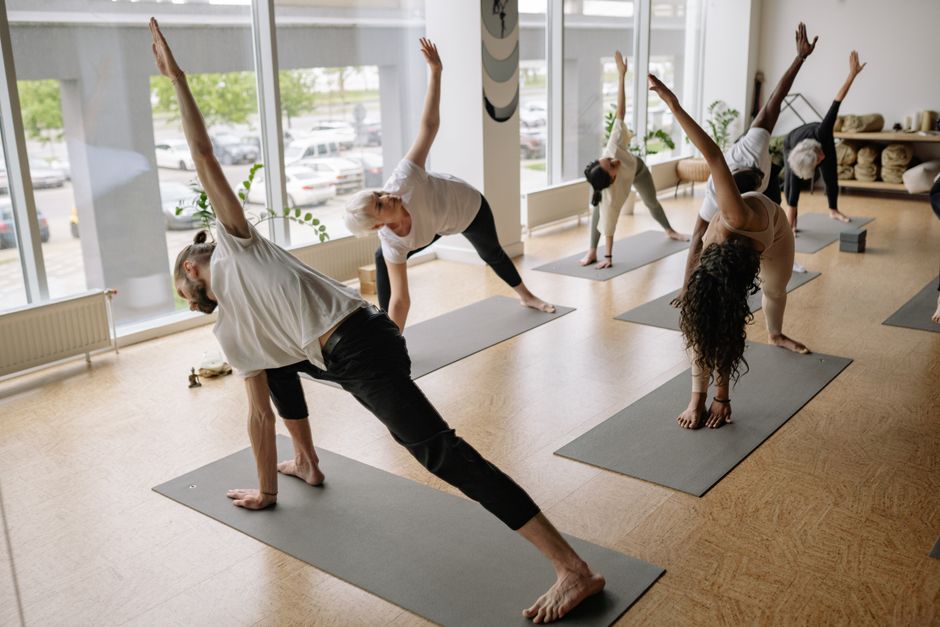
Some people enjoy sharing a session without much conversation. Others want a team, a familiar instructor or a friend alongside them. You might prefer exercising alone because it removes the pressure to match anyone else’s pace. None of these preferences needs defending.
If you are curious about a group session, ask whether newcomers receive an introduction and whether taking breaks is welcome. Observe how the instructor responds to different abilities. A friendly description on a timetable matters less than whether you feel comfortable asking questions once you arrive.
Notice your sensory preferences
Consider noise, lighting, temperature and personal space. A busy studio may feel energising on one day and overwhelming on another. Equally, a quiet room may feel peaceful or dull. Choosing surroundings that suit you is part of choosing the workout, rather than an extra detail to sort out later.
Make a shortlist you can actually try
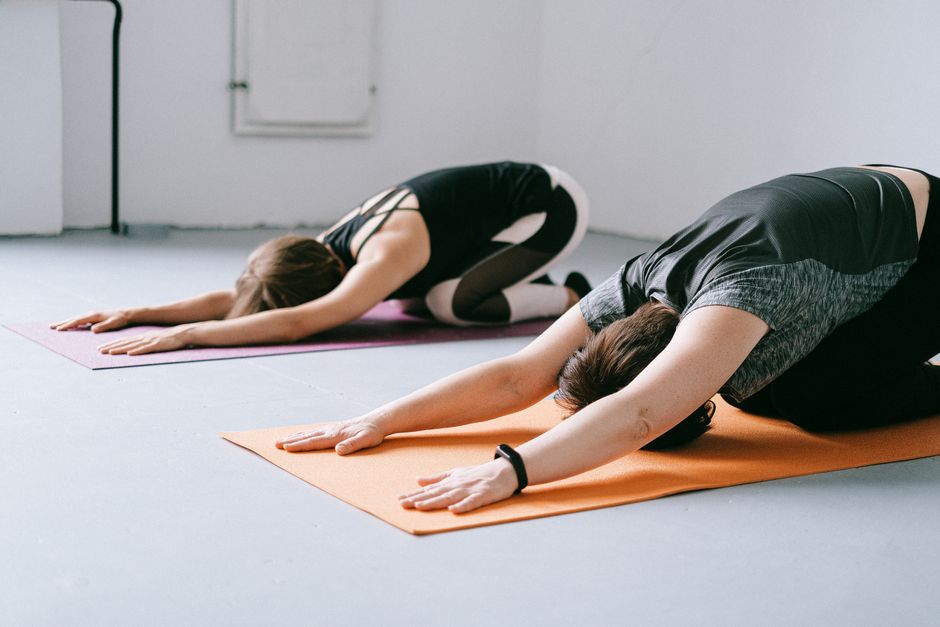
Choose a small range of possibilities that offer different experiences. For example, you could compare a beginner movement class, a recreational racket session and a simple gym introduction. The purpose is to discover your preferences, so there is little value in selecting several options that all feel almost identical.
Check practical details before committing. Include travel, changing, booking arrangements, equipment and the time needed to get home. An appealing session can become frustrating if reaching it is consistently difficult. Ask about introductory visits, equipment borrowing or observing a class before buying anything specifically for it.
Accessibility matters too. Check entrances, facilities, available adaptations and whether instructions can be delivered in a way that works for you. You deserve enough information to judge the experience before attending, without having to guess from promotional photographs.
Give each trial a fair starting point
Choose a beginner or introductory version where possible. Arriving at a session that assumes existing skills can leave you judging your confusion instead of the activity. Tell the instructor that you are new, and ask how to simplify movements or pause when needed.
Make your first attempt manageable. You do not have to complete every section, copy the most experienced person or prove that you can tolerate discomfort. Start gently and build gradually. Wear suitable clothing and footwear, follow equipment instructions and allow time to understand the space.
If you have a health condition, an injury, are pregnant or are unsure about starting new exercise, speak with your GP or an appropriately qualified professional about suitable options. Do not push through pain or feeling unwell to finish a trial. Stop and seek appropriate advice when symptoms concern you.
Review what you liked, not just how hard you worked
After a trial, give yourself a few moments to describe the experience in ordinary language. Sweating heavily or feeling exhausted does not tell you whether the session suited you. Equally, finding something accessible does not make it a poor choice. Enjoyment can come from steady concentration rather than excitement.
- During: Was anything interesting, satisfying or pleasantly absorbing?
- After: Did the overall experience feel worthwhile, allowing for beginner uncertainty?
- Practical fit: Were the journey, preparation and surroundings manageable?
- Next time: Would you willingly return, and what would you change?
Keep these notes brief. A sentence such as “liked the movements, disliked the crowded room” is more useful than a vague verdict that the workout was bad. It gives you something specific to investigate on your next attempt.
Distinguish unfamiliarity from a poor fit
A first session can feel awkward because you are learning names, instructions and etiquette. If you enjoyed parts of it and felt respected, another manageable visit may help you decide. You can also try a different instructor, a quieter session or an easier version.
You do not owe an activity repeated attempts when the environment feels hostile, your boundaries are ignored or you consistently dislike the movement itself. Trying something else is useful information, not failure. The aim is to find an experience that suits you, rather than to become someone who enjoys everything.
Choose a favourite without making it permanent
Once an option stands out, let it become your current choice. You do not need to declare it your lifelong sport or buy a complete collection of equipment. Continue learning the basics and give yourself room to discover which parts you enjoy most.
You can also keep a contrasting alternative. A sociable class and a quiet individual activity may suit different moods. Your preferences may change with your circumstances, confidence or access to facilities. Revisit the same questions when that happens: what feels engaging, what feels comfortable, and what would you willingly do again?
For your next step, choose one realistic trial and decide what you want to learn from it. Perhaps you want to discover whether you enjoy group instruction or practising a skill independently. That small, specific question can make choosing exercise feel more approachable than searching for a perfect workout.