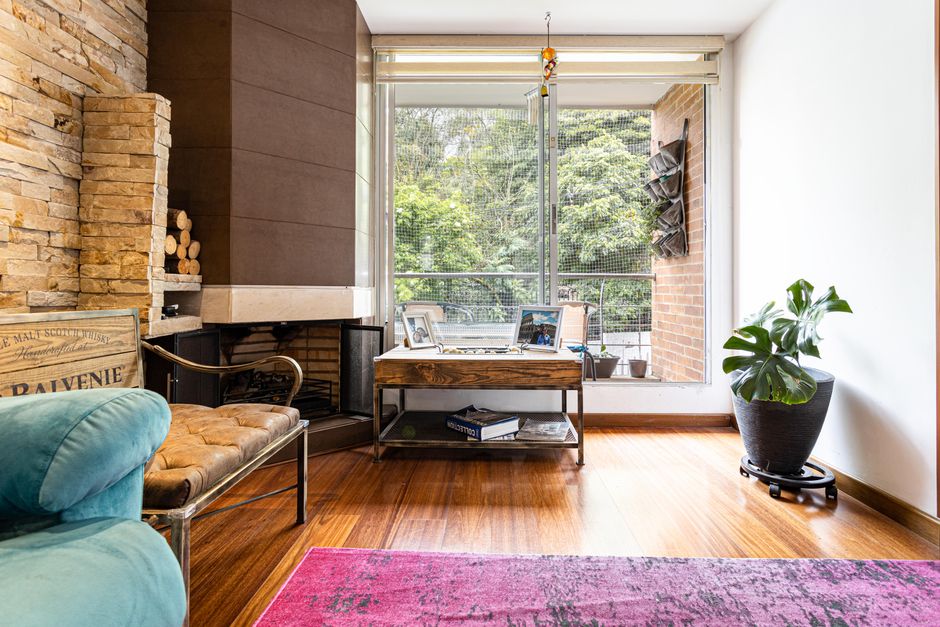
A calming space at home can be as simple as a comfortable chair with somewhere to put your book. You do not need a spare room, matching furniture or a home that stays perfectly tidy. Begin with a place that asks less of you: fewer things to move, less glare, and enough comfort to settle into an activity you enjoy.
Focus on the physical space and how it fits your household. A reading corner needs clear light, while somewhere to sit with a cup of tea might work well beside a window. Let your preferences guide the arrangement instead of trying to copy a particular look.
Choose a place that fits everyday life
Walk through your home and notice where you already feel comfortable pausing. Perhaps it is the end of the sofa, a seat near the garden door or a bedroom chair. Starting with an existing spot makes the project easier and helps you see what actually needs changing.
Think about when you would use it. A dining corner may be peaceful between meals but busy when everyone comes home. A bedroom may offer privacy but feel inconvenient during the day. Choose somewhere available often enough to be useful, even if it serves other purposes too.
Give the space a clear purpose
Decide what you want to do there, such as read, draw, listen to music or simply sit. This gives you a practical way to choose what belongs within reach. A reading spot needs a book and suitable light; it does not need to hold every hobby you might eventually try.
If your chair also serves your desk, putting work materials away can help it feel ready for another use. In a small home, changing what is visible may be more realistic than assigning separate rooms. A portable basket for your chosen activity can make this changeover easier.
Clear what gets in your way
Begin with the seat, the surface beside it and the route you take to reach it. Remove anything that makes these awkward to use. Relocate unopened post, put away laundry or return household items to their usual places. There is no need to reorganise the entire room.
Look especially for objects that remind you of unfinished tasks. If paperwork must stay nearby, contain it in a folder rather than spreading it across the table. Choose storage you can manage comfortably and avoid creating piles that will become harder to sort later.
- Leave enough clear surface for the things you use while sitting.
- Give regularly used items an easy place to return to.
- Keep doorways, walking routes and access to switches clear.
- Move unnecessary objects before deciding you need more storage.
Some people enjoy an almost empty corner; others prefer familiar objects around them. Aim for a space that feels manageable to you. A favourite photograph or colourful cushion can belong there just as comfortably as a plain wall.
Make the light comfortable
Notice the light at the time you plan to use the space. A sunny window may feel welcoming in the morning and create uncomfortable glare later. Try adjusting an existing curtain or moving the chair slightly. Position yourself so you can see comfortably without looking directly into strong light.
For reading or detailed hobbies, use enough light to see clearly. Dim lighting is not automatically more pleasant if it leaves you struggling to make things out. An existing lamp may work better in another position, provided it sits securely and its cable stays out of walking routes.
Keep lighting controls easy to reach. A local light can help people sharing a room do different things comfortably. Follow the instructions for the fitting when replacing bulbs, and keep fabric and other materials away from hot light fittings.
Work with everyday sound
Listen from your chosen seat. You may notice television sound, a humming appliance, traffic or conversations passing through the room. Start with anything easy to change, such as switching off unused audio or sitting farther from a doorway. Complete silence may be neither possible nor enjoyable.
If you like music or background sound, keep it at a comfortable level and consider others nearby. Headphones are optional. You should still be able to notice anything you need to hear, including someone in your care. Do not cover alarms, vents or equipment to quieten the room.
Choose comfort you can maintain
Use a seat that feels comfortable and is easy to get into and out of. A low floor cushion may look inviting but be impractical if standing up is difficult. Try existing chairs and place everyday items where you can reach them without twisting or stretching awkwardly.
Add a cushion or throw if it makes sitting more pleasant. Think about washing and storage too. Delicate fabrics and crowded arrangements may create extra work in a busy household. Secure loose edges, avoid trailing blankets on walking routes and keep furnishings clear of heaters.
Notice temperature and air. Adjust clothing layers or ventilation as appropriate, considering home security and outdoor conditions. Fragrance is optional: leave scents out if they bother anyone. Open flames add supervision and fire safety responsibilities, so you can keep the setup simpler by doing without them.
Allow for a shared home
Agree on what would make the space useful for everyone involved. You might ask that the chair stays free of laundry or that loud audio moves elsewhere while someone reads. Keep requests specific and realistic, especially where children, caring responsibilities or limited space affect how rooms are used.
People experience the same room differently. One person may enjoy music while another prefers quiet. Allow adjustments, such as moving a cushion or changing the light, rather than treating the arrangement as fixed. Keep small decorative items safely out of reach where children or pets could access them.
Try the setup before adding anything
Use the space a few times with what you already have. Notice practical irritations: nowhere for your cup, a lamp behind your shoulder or a chair blocking a cupboard. Change one thing at a time so you can tell whether it makes the area easier to use.
- Choose an existing seat and an activity you enjoy.
- Clear the nearby surface and access route.
- Adjust light, sound and comfort using available items.
- Use the space, then make one small improvement.
Keep upkeep simple: return the book, put the cup away and leave the seat available. Let the space accommodate ordinary life, including untidy days. A pleasant corner cannot solve persistent distress. If anxiety, low mood or another health condition affects daily life, speak with your GP or a qualified professional for appropriate support.